


Collaboration between the Daisy Appeal and King’s College London will open doors to wider research
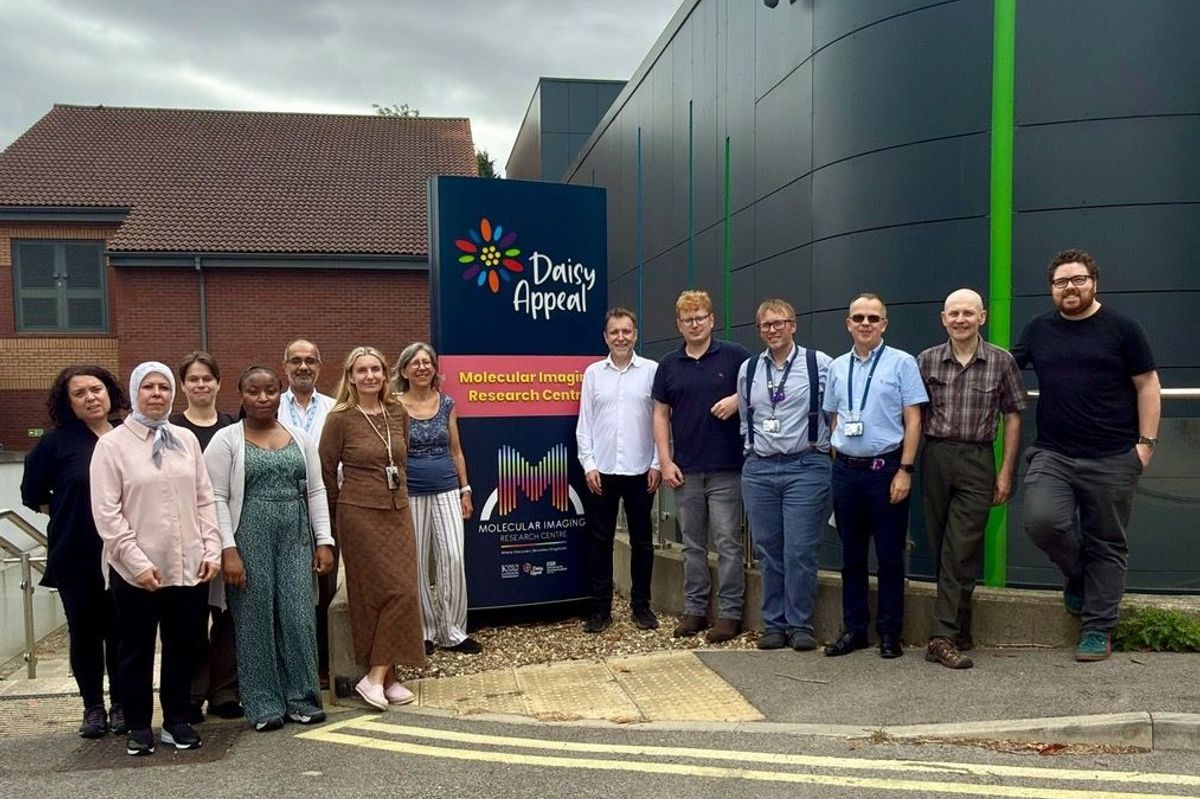
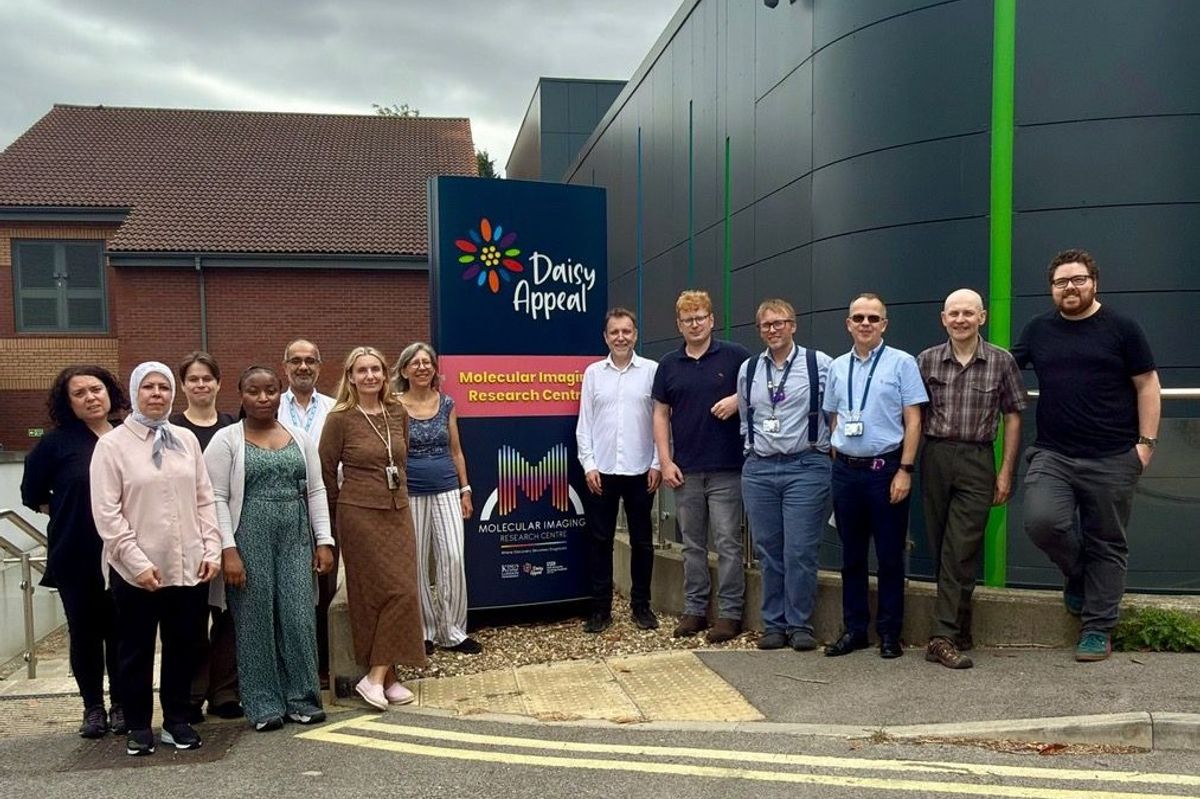
King’s College London and The Daisy Appeal teams outside Castle Hill Hospital’s Molecular Imaging Research Centre, Cottingham(Image: supplied image)
The Daisy Appeal, based at Castle Hill Hospital, Cottingham, and King’s College London’s School of Biomedical Engineering & Imaging Sciences have launched a new collaboration aimed at helping patients across the UK. Laying the groundwork for a fuller partnership, the collaboration brings together the Molecular Imaging Research Centre (MIRC) at Castle Hill, part of Hull University Teaching Hospitals NHS Trust, with one of the UK’s leading academic teams in biomedical engineering and imaging science, based in Guy’s and St Thomas’ NHS Foundation Trust, London.
It creates a powerful regional link between specialist radiopharmaceutical production and cutting-edge research. Funded through charitable giving, MIRC is a world-class facility designed to help move scientific discovery closer to patient benefit.
It is already supporting research that can improve diagnosis, strengthen clinical trials and widen access to advanced imaging techniques for cancer, heart disease and dementia. The collaboration also opens the door to wider research in cardiac imaging and other areas where radiopharmaceuticals – specialised radioactive drugs used to track, scan and treat illness – can help improve understanding of disease and guide treatment.
Professor Steve Archibald, head of the Research Department of Imaging Chemistry and Biology at King’s College London’s School of Biomedical Engineering & Imaging Sciences, said the collaboration offers clear benefits for both institutions. “This is a world-class facility, built through charity support, with the expertise, equipment and capacity needed to help translate innovative science into patient benefit,” he said.
“There are real advantages for both sides in working together more closely. The MIRC provides access to radiopharmaceuticals that are not being produced in London, creating a unique national research resource. We’ve already seen people from Hull and London spending time in each other’s teams.
“This collaboration is not just being talked about, it is already happening in practice.” Professor Nick Stafford, chair of the Daisy Appeal, said the collaboration reflects the charity’s long-term commitment to investing in facilities and research that improve outcomes for patients.
“This is about much more than geography. It is a significant advantage that Hull is only a two-and-a-half-hour train journey from London, making it straightforward for teams to work closely together.
“But, this collaboration brings together exceptional capability, advanced technology and scientific ambition to deliver real progress for patients.” The collaboration is expected to strengthen the UK’s radiopharmaceutical research base and help ensure more patients benefit sooner from scientific innovation.
Dr. Diana Taylor, managing director of Future Humber, said: “This is a fantastic example of the research capability we have in Hull. It demonstrates the strength of the city’s innovation base and shows how world-class collaboration can improve patient outcomes across the UK.
“I am confident it will also encourage further partnerships between UK-wide institutions, industry and research organisations.”
Did you know you can make Hull Live a preferred source of Hull news in Google, which will mean you get more of our breaking news, exclusives, and must-read stories straight away? Here’s more information about what this means and how to do it – you can also do it straight away by clicking here .