



Across the whole of the country, a total of £91.8m has been paid out by 94 NHS trusts since 2020
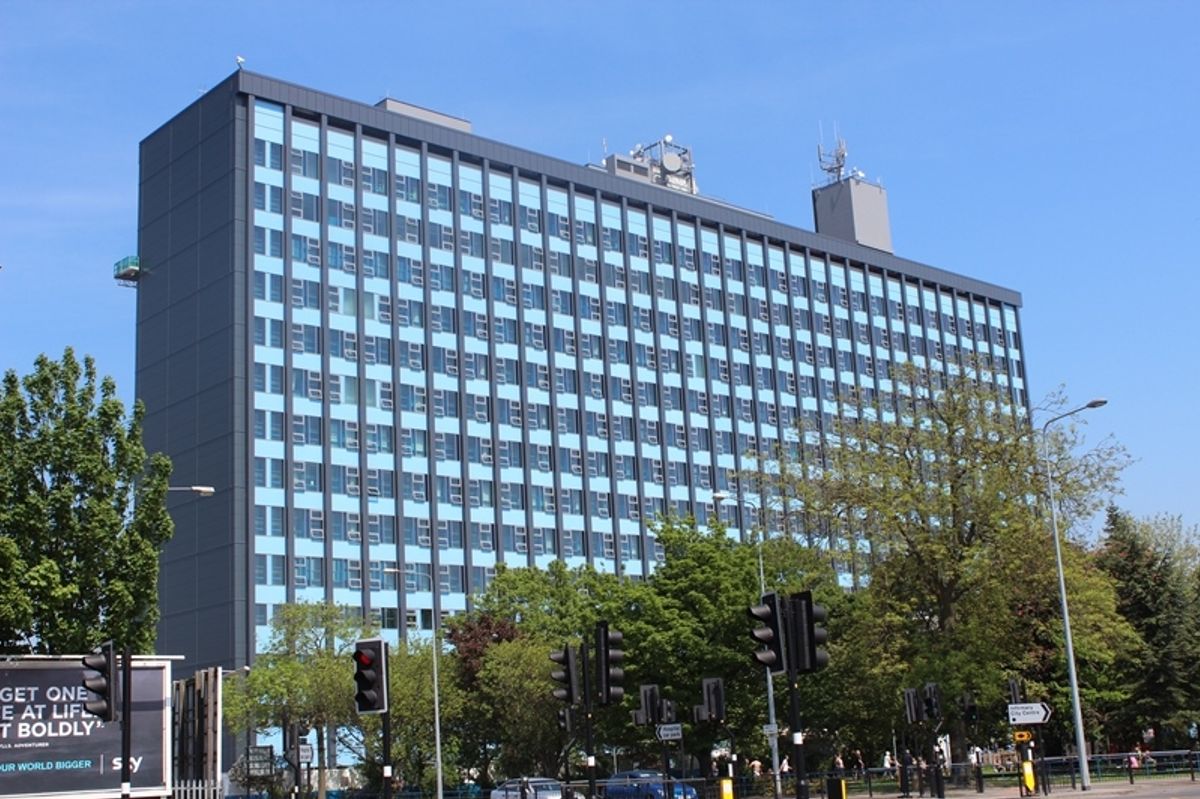
Hull Royal Infirmary(Image: NHS Humber Health Partnership)
A number of women treated by Hull University Teaching Hospitals NHS Trust have received thousands of pounds in compensation for gynaecology-related medical negligence over the past five years, figures suggest. Law firm Medical Negligence Assist used freedom of information requests to uncover the scale of NHS payouts against claims of gynaecological negligence across England since the start of the decade.
Between 2020/21 and 2024/25, a total of £91.8m was paid out by 94 NHS trusts – although 29 trusts did not pay a single penny in compensation during that period. Among those settling claims was Hull University Teaching Hospitals NHS Trust, which faced 45 gynaecology-related negligence claims over the five-year period.
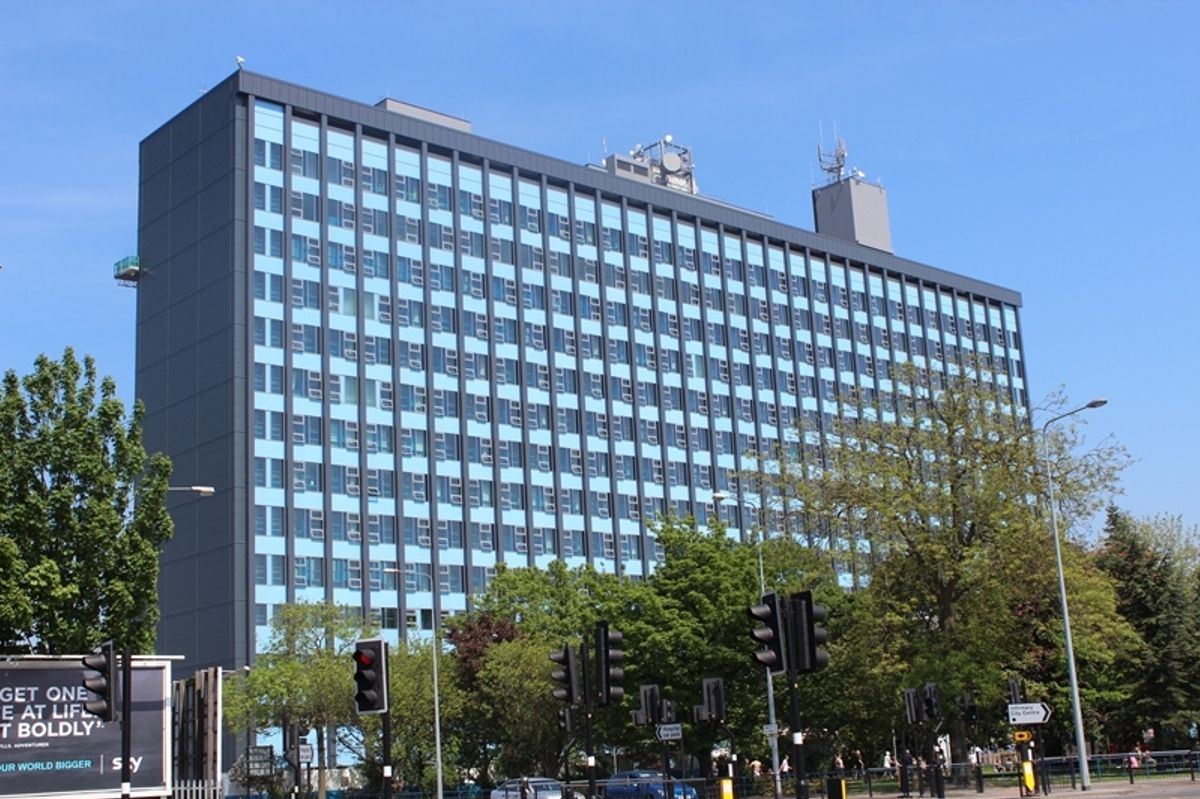
The trust manages two main hospital sites – Hull Royal Infirmary and Castle Hill Hospital in Cottingham – and it also provides services at community sites, including East Riding Community Hospital and Hornsea Cottage Hospital. At the time the data was released, five cases made against the trust had been settled, with damages totalling £74,342.
While individual claims cannot be detailed for risk of identification, not all claims are substantiated. Some will also still be going through the legal process. While Hull’s overall payout remains relatively low compared to many trusts nationwide, the figures highlight how the trust recorded a rise in claims in recent years, with 15 claims lodged in 2023/24 and a further eight in 2024/25, suggesting mounting pressure on local services.
A spokesperson for NHS Humber Health Partnership said: “Our aim is to deliver the highest possible standards of patient care and we deeply regret on these occasions those standards were not met. As a learning organisation, we remain dedicated to continuously improving the care and services we provide.”
Across England, the data shows stark variation in how trusts handle gynaecology negligence claims. While some organisations paid out millions, others haven’t paid out anything.
The figures also shed light on the types of harm at the centre of women’s claims. Nationally, the most common injury cited was ‘unnecessary pain’, with 418 claims recorded, while 62 women sought damages for infertility. There were also 150 cancer-related claims, 62 of which were filed by women whose cancers were diagnosed at an advanced stage due to negligence and the claimant believes the NHS was at fault as it should have caught the cancer earlier.
Despite a slight drop in overall damages in 2024/25, compensation payments remain historically high nationally. In 2020/21, £17.8m was paid out, rising to £19.6m in 2023/24, before falling back to £17.7 million in the most recent year on record.
Solicitor Gareth Lloyd, head of medical negligence at JF Law, said: “These figures paint a deeply concerning picture for women relying on gynaecology services. Even where payouts are relatively low, each claim represents a patient whose life has been disrupted by avoidable harm.
“With the Labour government promising reform across the NHS, this £100m compensation bill should act as a wake-up call. Gynaecology services urgently need targeted investment, safer staffing levels and meaningful oversight. Women deserve better care – and when negligence occurs, they deserve fair compensation and accountability.”