



IPPs were introduced in England and Wales in 2005 under the Criminal Justice Act 2003 and could be imposed only when a person aged 18 or over had been “convicted of a serious offence”.
According to the Criminal Justice Act, a “serious offence” meant both a “specified offence” and one punishable by imprisonment for life or for a determinate period of 10 or more years.
IPPs, which were abolished in 2012, had a minimum term, but instead of being released automatically, offenders had to prove to a parole board that were no longer a threat to the public.
The recorder in Haycock’s case said he imposed the IPP sentence because he considered the offence of controlling prostitution for gain as a “serious specified offence”.
He said he also believed Haycock posed “a significant risk of serious harm to members of the public”.
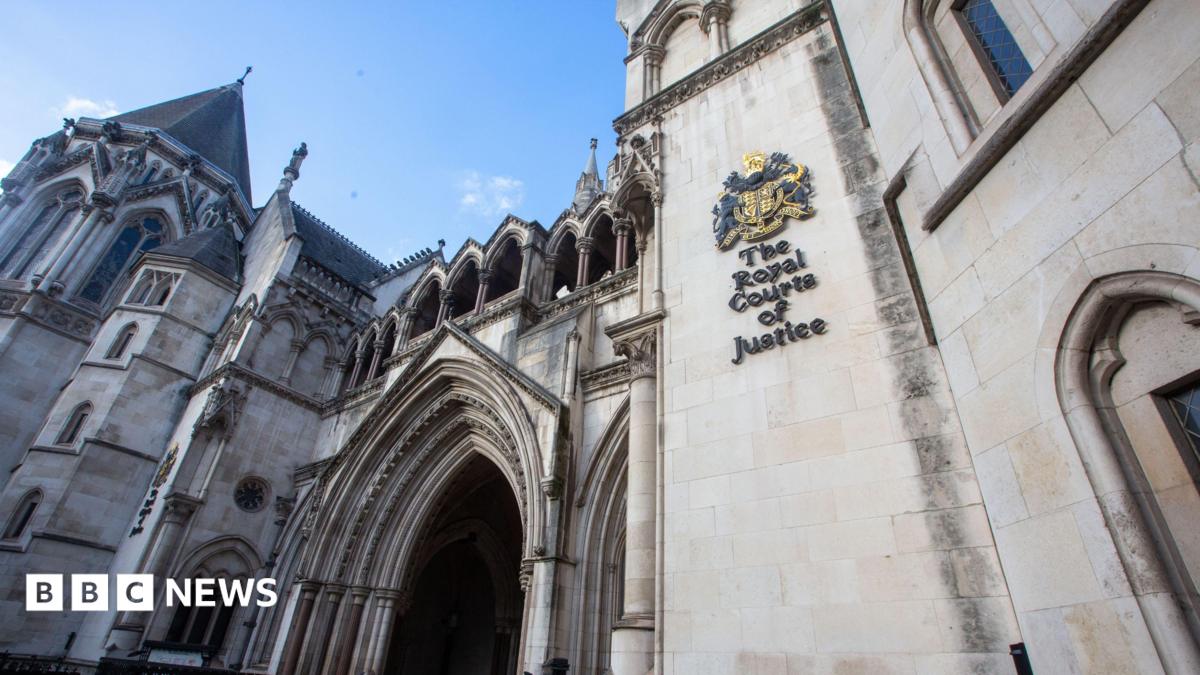
However, the Court of Appeal said controlling prostitution for gain was not a serious offence under the 2003 Act because it carried a maximum sentence of seven years.
The court also ruled the offence of assault occasioning actual bodily harm carried a maximum sentence of five years imprisonment and was not defined as a serious offence.
The Court of Appeal said: “As a matter of law, it was not open to the court to impose an IPP sentence for any of the three offences of which the appellant had been convicted.”
It added: “The IPP sentence was unlawful, the appeal is unanswerable, and we therefore allow it.”