


Yorkshire Wildlife Trust says heatwaves this summer have had a ‘profound impact’
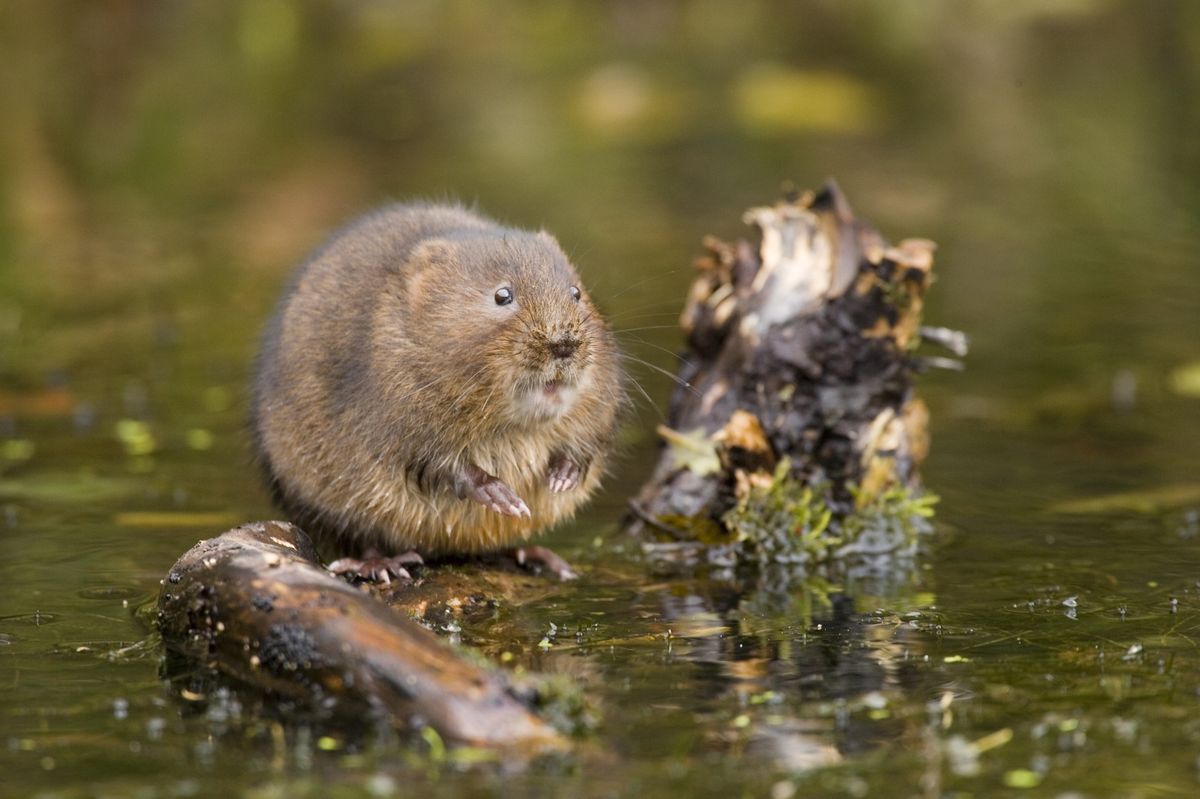
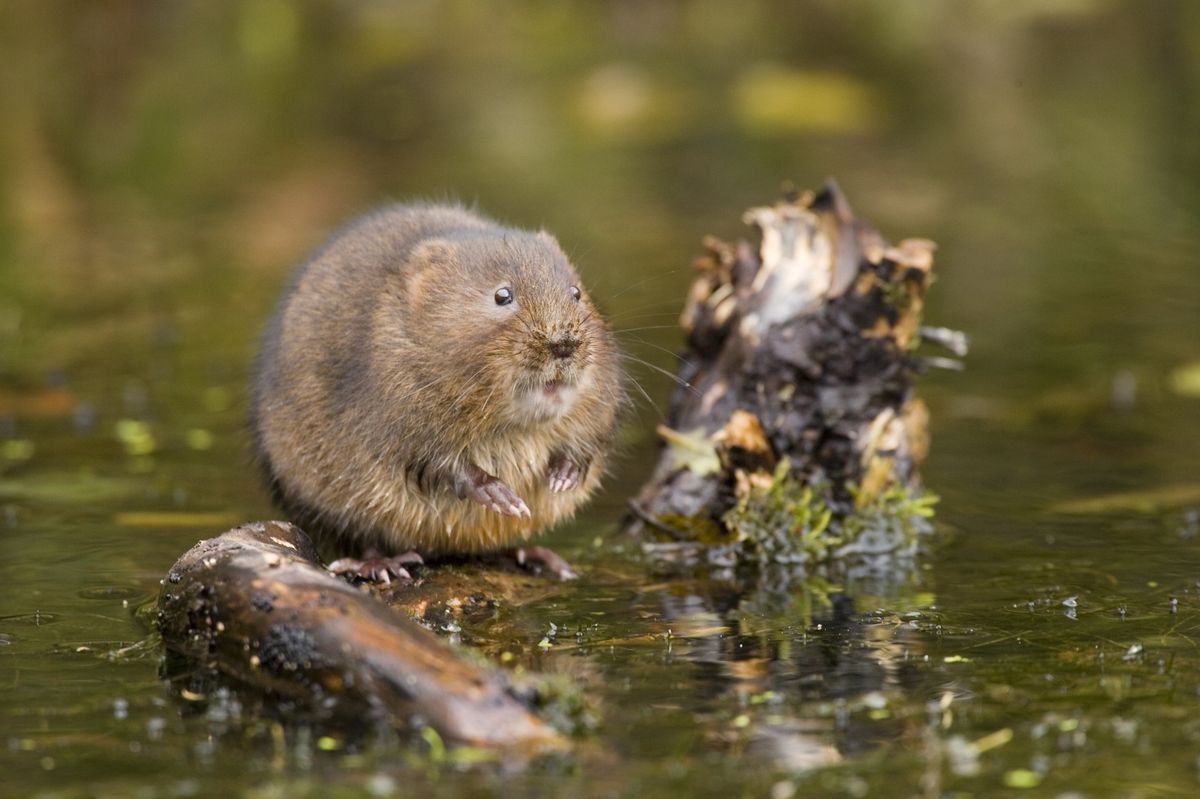
Stock image of a water vole foraging on a submerged log in the shallows of a water course(Image: Getty Images/Photolibrary RM)
Yorkshire Wildlife Trust (YWT) is championing the importance of large, well-managed and connected wetland spaces for wildlife as the county experienced the fifth heatwave of 2026 after the driest July on record. In the East Riding, water voles are being severely impacted as the region’s rare chalk streams struggle with extremely low water levels, and the area’s historic dew ponds have entirely dried out.
Over the border in North Yorkshire, ponds along the entire Esk river catchment have been unprecedentedly low or dried out; and woodlands across the whole of Yorkshire are experiencing drought-related limb drop and early loss of leaves. Creatures that rely on accessing the ground for food like earthworms, such as blackbirds, hedgehogs and moles, are struggling to break the ground to feed.
Rachael Bice, YWT CEO, said: “Increasingly frequent, disruptive and damaging heatwaves have severely impacted both the UK and the continent, impacting lives of millions of people. However, they are also having a profound impact on all our wildlife, which is struggling to find places to escape the heat and sources of water and food.
“Our wildlife is having to travel further to look for water, encountering unfamiliar hazards, or struggling to find enough food to survive. This hot weather will have an impact far into the winter months; fruiting trees and shrubs such as crab apple and blackberry are already ripe, or shedding poorly formed fruit, which will impact winter migrant birds that arrive looking for these important food stores.
“Even if it rains soon, there will be lasting damage – severe drought impact on trees lasts for years, and species like butterflies might struggle to find enough plant matter to support future generations of caterpillars.” However, there are signs that careful and dedicated management of wild refuges like wetland nature reserves can help to mitigate the impact on our wildlife.
At Potteric Carr nature reserve in Doncaster, the team are celebrating the recording of up to six juvenile bitterns from three nests – the best breeding success ever recorded on-site, and the goal the Trust had when it first started restoring the reserve for nature in the 1960s. The site has remained damp throughout the heatwave, providing a vital space for wildlife.
Rachael said: “We’ve been managing wetland nature reserves like Potteric Carr, Askham Bog, and North Cave Wetlands for decades, from planting new reedbeds to clearing out new scrapes and pools, and in some cases manually adjusting water levels to make sure they provide the best-possible habitat for wildlife. They aren’t just important refuges for wildlife in the summer when the hot weather hits; they also absorb huge amounts of water in the winter from rain and floodwater, and are a very cost-effective way of helping to keep our local communities safe.”
Excessive heat and drying wetlands on the continent have also driven some species further north, spotlighting the role of Yorkshire’s nature reserves as new space for migrating species. Bolton-on-Swale nature reserve is currently hosting one of the UK’s largest flocks of black-crowned night herons, a rare visitor to Yorkshire, and there has also been one spotted at North Cave Wetlands nature reserve, near Hull, for the third year in a row.
The Norfolk hawker dragonfly has been seen at Potteric Carr nature reserve for the first time, and North Cave Wetlands nature reserves has recorded all three egret species. Rachael said: “After successive years of extremely hot and dry summers, our reserves – and our wildlife – are barely getting a break. We will continue to manage our sites both for wildlife now and to make them as resilient as possible for the future, but we can’t do this alone.
“We need landowners across Yorkshire to come together to create whole wildlife areas and wild corridors as part of our drive towards 30 by 30, so that our wildlife has as much space as possible to retreat to when the hot weather starts to make an impact – and we need the public to support us as much as they’re able.”
The Trust is currently running an appeal for Askham Bog nature reserve, which is celebrating its 80th anniversary this year. Although recent work to care for the reserve’s main pond has helped wildlife on site to cling on, the reserve’s ditches, ponds and pools have begun to dry out.
Many of the species at Askham Bog, including dragonflies, bog plants and birds, rely on the ground being damp year-round to find food and drink; and because the site is peat-based, falling water levels could mean the peat dries out entirely and stops storing carbon. The campaign hopes to introduce more dams and pools to help this incredibly special site become more resilient to prolonged periods of dry weather.
To find out more and to support the Trust, go to ywt.org.uk.
Did you know you can make Hull Live a preferred source of Hull news in Google, which will mean you get more of our breaking news, exclusives, and must-read stories straight away? Here’s more information about what this means and how to do it – you can also do it straight away by clicking here .