


Threat to livestock, machinery and farm workers increases as temperatures soar during continued heatwaves
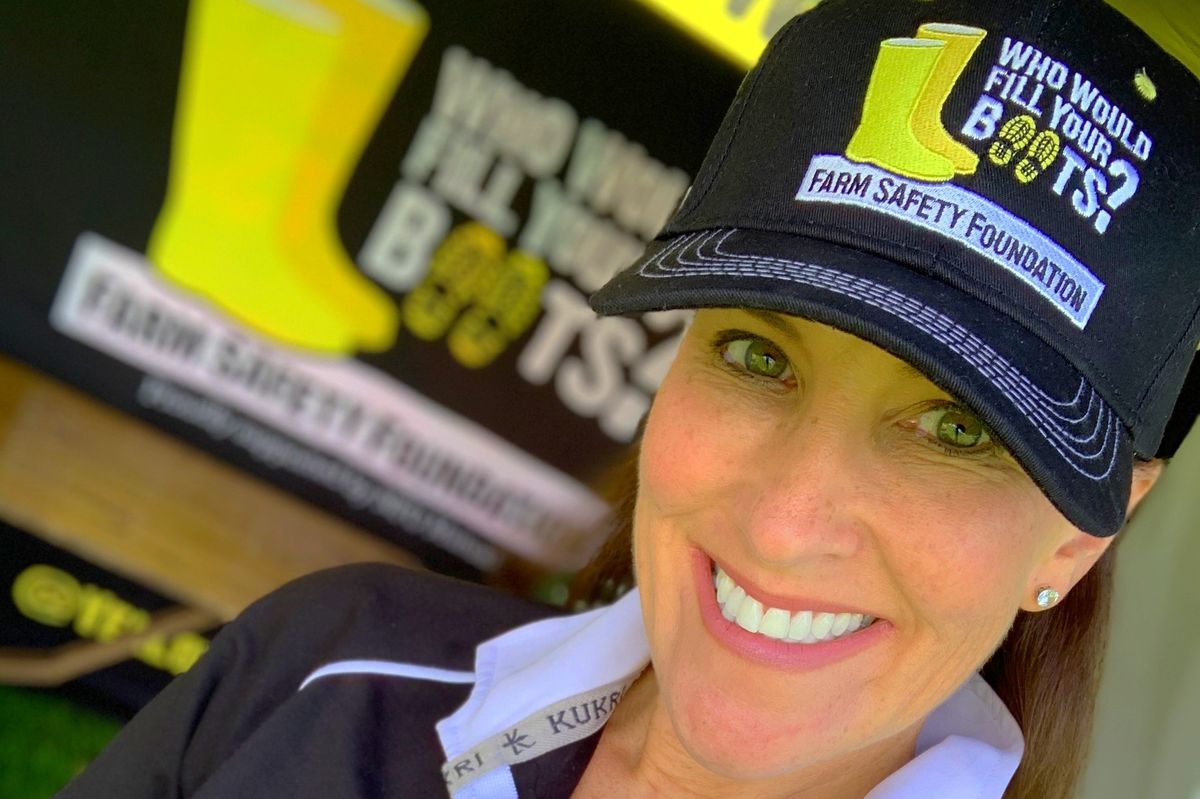
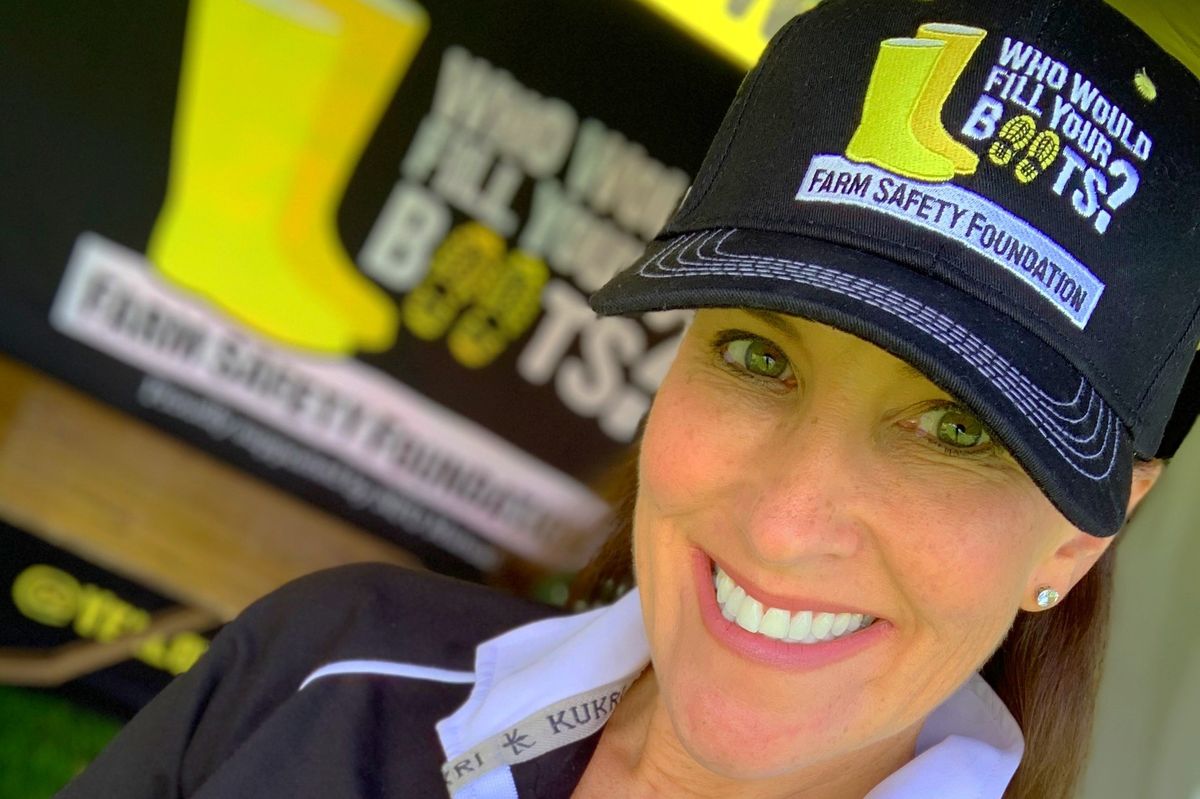
Stephanie Berkeley, of the Farm Safety Foundation, otherwise known as Yellow Wellies(Image: UGC)
As Farm Safety Week returns for the 14th year, the Farm Safety Foundation (Yellow Wellies) is calling on the agricultural industry to shine a light on an often‑overlooked reality: while fatalities rightly demand attention, serious injuries on farms are leaving thousands of lives permanently changed every year. Led and funded by Yellow Wellies, this year’s Farm Safety Week campaign will focus on the long‑term, life‑changing consequences of serious injuries – injuries that farmers, workers and families must live with long after the headlines fade.
HSE data shows farming remains the industry with the poorest safety record with high levels of both fatal and life‑changing injuries. Twenty-two workers lost their lives on farms in England, Scotland and Wales in 2025/26.
The figures also reveal that workers in agriculture, forestry and fishing are around seven times more likely to be killed at work than those in construction and 21 times more likely than the all‑industry average. While this year the sector has recorded one of the highest numbers of fatalities in over a decade, thousands more farm workers are suffering injuries and ill health that fundamentally alter their ability to work, live independently and enjoy family life.
The campaign also comes as the UK is experiencing its third official heatwave of the year. Yellow Wellies is warning that the current heatwave could increase the risk of serious and fatal incidents in an industry that already has the poorest safety record of any occupation in the UK.
Stephanie Berkeley, manager of Yellow Wellies, said: “When we talk about farm safety, fatalities understandably dominate the conversation, but serious injuries can be just as life‑changing. The reality is that there is no such things as a papercut on a farm and the margin between a near miss, a serious injury and a fatal incident is often frighteningly small.
“A fall from height, an encounter with machinery, a vehicle incident – these don’t always result in death, but they can leave someone living with chronic pain, reduced mobility, disability or an inability to continue working. That impact doesn’t stop with the individual; it affects the family, the farm business and the community as a whole.”
Latest figures show around 9,000 workers in the sector are suffering from work-related ill health. A new survey of farmers and agricultural workers carried out by Yellow Wellies during May-June 2026 revealed that the biggest fear on UK farms may not be dying in an accident but surviving one with a life-changing injury.
The survey, released for day one (Monday, July 20) of this year’s Farm Safety Week sampled 408 farming respondents across the UK. Nearly half of those surveyed aged under 40 (49.7 per cent) said that if they were to have a farm accident, they were more worried about ending up with a disability, compared with 36.6 per cent who said they were more worried about dying.
Older respondents showed a similar pattern, with 51.7 per cent concerned about disability compared to 31.4 per cent worried about death. Particularly at the moment, the added stress of heatwave conditions are causing further challenges.
Workers receive around five to ten times more annual sun exposure than people who work indoors. Working in agriculture is also one of the highest-risk occupations for deaths linked to sun exposure.
While construction workers record the highest number of fatalities, agriculture is second and accounts for 23 per cent of these deaths – around one farm worker every month dies from skin cancer due to sun exposure.
During periods of extreme heat, the risks extend beyond sunburn. Dehydration, heat stress, fatigue and poor concentration can all increase the likelihood of mistakes around vehicles, livestock, machinery and working at height.
These are the same hazards that already dominate the sector’s serious and fatal injury record. With this in mind, Yellow Wellies is urging those working outdoors this week to take simple but potentially life-saving steps:
- Keep a top on when working
- Wear a hat with a brim or flap to protect the ears and back of the neck
- Stay in the shade whenever possible, especially during breaks and at lunchtime.
- Use high-factor sunscreen of at least SPF30 on exposed skin
- Drink plenty of water – little and often – and avoid alcohol
- Take sufficient breaks and watch for signs of fatigue, stress and poor mental health
- Check skin regularly for unusual moles or spots and speak to a doctor about anything changing in shape, size or colour or anything itching or bleeding
- Keep machinery clean and well-maintained during harvest
- Be alert to dust build-up, overheating parts and fire risks
- Make sure fire extinguishers are accessible and in working order
Stephanie said: “If we are really serious about making our farms safer, we must broaden the conversation. We must take injuries just as seriously as fatalities and recognise that preventing harm, not just death has to be our goal.
“And we must bring the people behind the statistics into the open, not to alarm, but to connect. Because connection is what changes behaviour.”
Farm Safety Week 2026 will challenge the long-standing misconception that only fatal injuries matter. Across the week, the charity will work with farmers, families, industry bodies and the wider rural community to encourage reflection, conversation, education and most importantly action.
Because on farms, injuries do not have to be fatal to be life-changing. For more information on Farm Safety Week visit yellowwellies.org or follow @yellowwelliesUK on Instagram/ Facebook /X using the hashtag #FarmSafetyWeek
Did you know you can make Hull Live a preferred source of Hull news in Google, which will mean you get more of our breaking news, exclusives, and must-read stories straight away? Here’s more information about what this means and how to do it – you can also do it straight away by clicking here .