


Need to know
World’s largest garden wildlife survey takes place every January
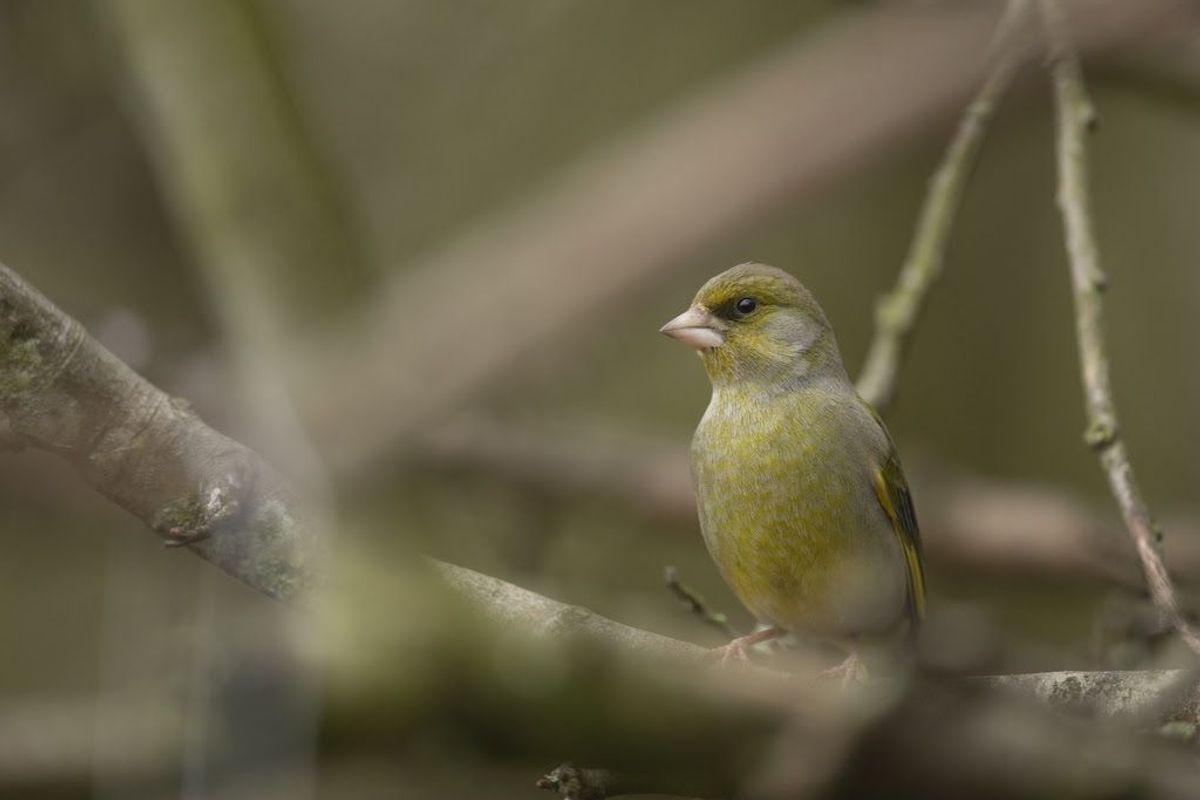
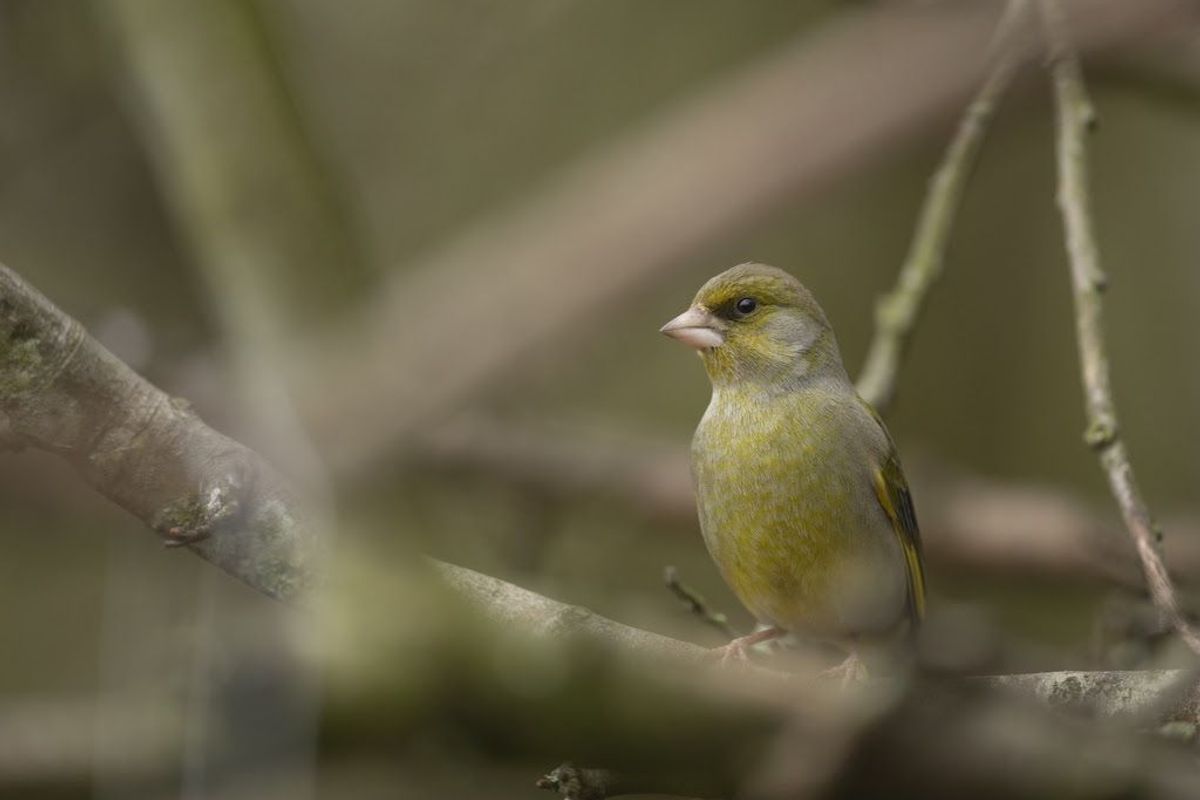
A healthy adult greenfinch – but numbers are severely in decline(Image: Ben Andrew)
How our much-loved garden birds are faring and what you can do to help
- The results from this year’s Big Garden Birdwatch have revealed that once again the house sparrow held onto the top spot and the blue tit remains at number two, with starling creeping up one place to number three. Woodpigeon and blackbird make up the other top five most recorded species in UK gardens, with the survey having been conducted by over 650,000 people, who counted more than nine million birds.
- The survey provides a valuable annual snapshot of how our most common garden birds are faring. Across Yorkshire, 49,000 people took part in the count, with East Yorkshire spotters’ top three birds being the house sparrow, starling and blue tit.
- The RSPB said that it is further down the garden rankings where the real story lies. At 18th spot on the list is greenfinch, which has seen a 67 per cent decline in average numbers recorded since Big Garden Birdwatch began in 1979. Other UK-wide surveys show that greenfinches have dropped by over 65 per cent since the latest UK wide surveys began in the mid‑1990s, equating to the loss of over two million birds.
- The cause of these losses is disease, especially a disease called trichomonosis, which spreads more easily when birds gather around feeders – particularly in summer and autumn. As a result of these declines, greenfinches are now on the UK Red List due to disease-related declines.
- Beccy Speight, the RSPB’s chief executive, said: “Feeding birds is something millions of us love and value, but the science shows us that birds such as greenfinches have been affected by the spread of disease at feeders.” The charity is asking the public to adopt simple seasonal changes that will help protect bird health in the long term.
- The message is feed seasonally – It is important to adjust what we feed our garden birds during the summer and autumn months when there is a higher risk of disease spreading. From May 1 to October 31, the advice is to pause filling your bird feeders with seed and peanuts to prevent too many birds gathering in one place – it is okay to to keep offering small amounts of mealworms, fat balls, or suet year-round.
- Also, feed safely – Just one infected bird can turn your busy feeder into a disease hotspot. To help keep birds healthy, prioritise hygiene by cleaning and moving feeders weekly to prevent the build-up of contaminated debris underneath.
- Change water daily and only offer it if you are able to change it every day and make sure it is tap water; water baths should also be cleaned weekly. Retire flat-surfaced feeders as research has shown there is a higher risk of the disease spreading on flat surfaces, including bird tables.
- You can also consider bird-friendly planting – such as sunflowers, teasels and ivy – which helps to provide natural, safer food sources and encourages insects. For more information, visit rspb.org.uk
- Did you know you can make Hull Live a preferred source of Hull news in Google, which will mean you get more of our breaking news, exclusives, and must-read stories straight away? Here’s more information about what this means and how to do it – you can also do it straight away by clicking here .

At Reach and across our entities we and our partners use information collected through cookies and other identifiers from your device to improve experience on our site, analyse how it is used and to show personalised advertising. You can opt out of the sale or sharing of your data, at any time clicking the “Do Not Sell or Share my Data” button at the bottom of the webpage. Please note that your preferences are browser specific. Use of our website and any of our services represents your acceptance of the use of cookies and consent to the practices described in our Privacy Notice and Terms and Conditions.