


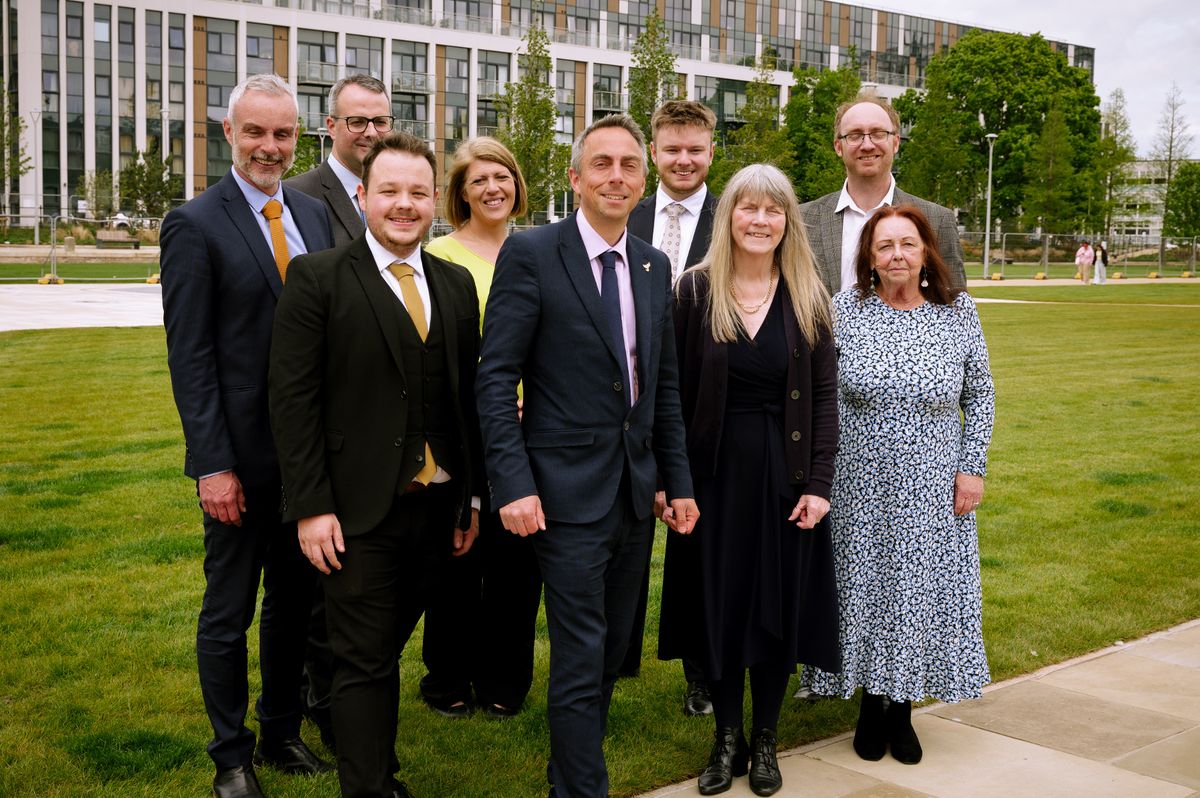

The council says it can sometimes be left ‘choosing between paying more than expected or spending even more money changing the plans’
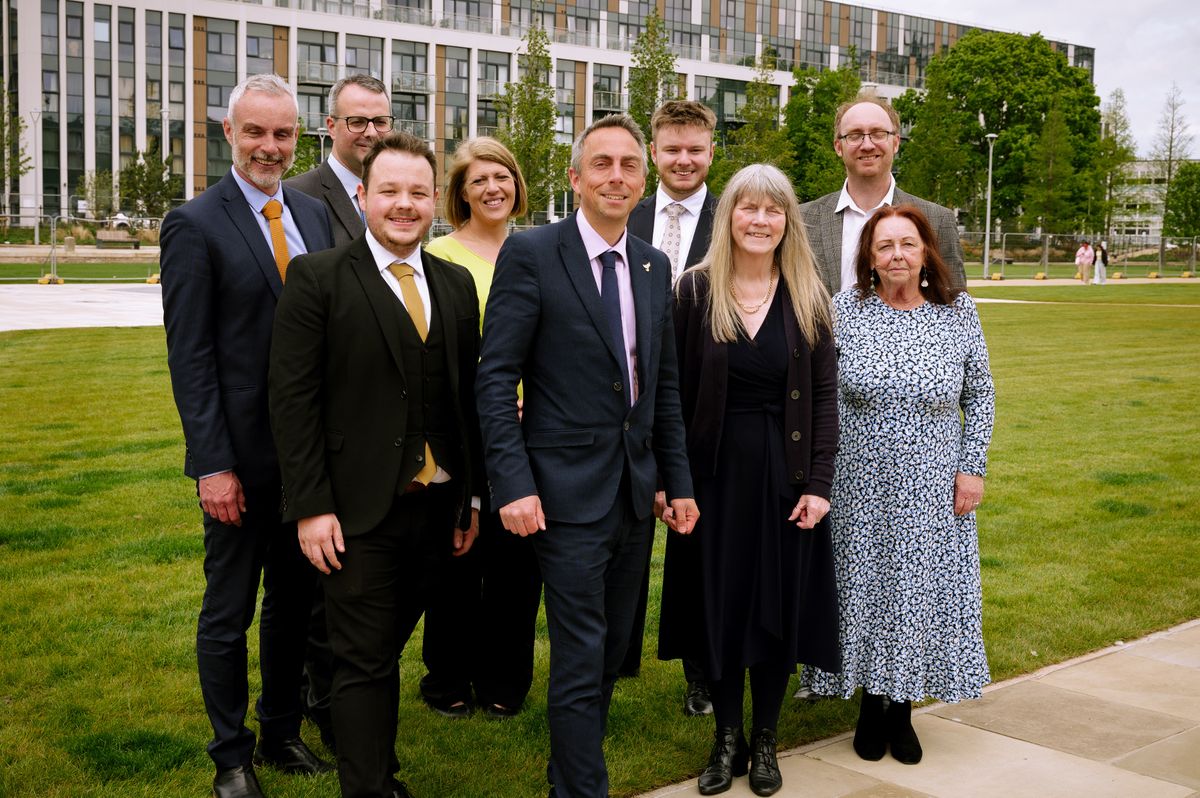
Hull Liberal Democrats are calling on the Government to overhaul the rules around utility roadworks(Image: Submitted)
Hull City Council is calling on the Government to overhaul the rules around utility roadworks, after the estimated cost of improvements at Calvert Lane rose to almost £6 million. A senior councillor said the sometimes inaccurate estimates given by utility companies leaves councils “choosing between paying more than expected or spending even more money changing the plans”.
“Neither is a good use of public money,” Cllr Mark Ieronimo, portfolio holder for Transport and Infrastructure, said.
An update in October estimated the scheme to improve traffic flow at the junctions with Anlaby Road and Derrington roundabout would cost £5.983 million, including £2.825 million to move or protect underground utilities.
The council’s Lib Dem group said one of the biggest challenges facing councils is the time taken for utility companies to provide detailed costs, which can sometimes be significantly higher than their initial estimates. By the time these costs are provided, councils may have already spent months developing a scheme, leaving them with a difficult choice: accept the higher costs or spend more public money redesigning the plans to avoid them.
The Department for Transport said it expects local authorities and utility companies to work together to minimise disruption to drivers and costs for taxpayers, and that highway authorities have powers to coordinate works, inspect performance and take enforcement action where requirements are not met. It said the Government has strengthened those powers by doubling the maximum Fixed Penalty Notice for certain offences, extending overrun charges to weekends and bank holidays, and supporting the rapid expansion of lane rental schemes, which provide a financial incentive to avoid unnecessary occupation of the road network.
A motion proposed by Cllr Mark Ieronimo, which received the full support of Hull City Council at a meeting of Full Council, calls on the Government to review how utility diversion costs are shared, speed up the process and improve coordination between councils and utility companies.
The motion asked Council Leader Mike Ross to write to the Secretary of State for Transport and the Secretary of State responsible for energy and utilities, calling for a “comprehensive review of the statutory framework governing utility diversions and street works”. It calls for stronger duties on utility companies to coordinate works and minimise disruption.
It also calls for faster statutory timescales for agreeing and delivering utility diversions and asks the government to consider whether the current allocation of diversion costs between highway authorities and utility companies remains appropriate.
Cllr Ieronimo said: “Residents rightly expect us to improve our roads efficiently and get the best possible value for their money. At Calvert Lane, nearly £3 million of the estimated cost relates to moving or protecting underground utilities. These are significant sums of public money, and delays in receiving detailed costs make planning and budgeting extremely difficult.
“The problem is that by the time we receive the final costs, we’ve often already invested considerable time and money in designing a scheme. We can then be left choosing between paying more than expected or spending even more money changing the plans. Neither is a good use of public money.
“Utility companies provide essential services, and we recognise that road improvements sometimes mean their equipment has to be moved or protected. But councils need greater certainty over costs, quicker responses and a fairer system for deciding who pays. When costs rise unexpectedly, it puts pressure on already stretched budgets and can delay improvements that residents have been waiting for.
“I’m pleased that councillors from across the chamber supported our motion. It sends a clear message to the Government that the current arrangements need to change. We want to improve Calvert Lane and other roads across Hull. That’s why we’re calling on the Government to make the system fairer, faster and more transparent, so councils can get on with delivering the improvements our communities need.”
A Department for Transport spokesperson said: “We’re investing a record £7.3 billion to renew and repair local roads, with the Hull and East Yorkshire Combined Authority eligible for over £133 million across the next four years to spend on projects as it sees fit.
“We expect local authorities and utility companies to work together to minimise disruption to drivers and costs for taxpayers when carrying out road improvements, and local authorities have a range of powers to help them coordinate works.”
Did you know you can make Hull Live a preferred source of Hull news in Google, which will mean you get more of our breaking news, exclusives, and must-read stories straight away? Here’s more information about what this means and how to do it – you can also do it straight away by clicking here .