


Man in charge of the authority’s fleet says bin wagon scheme could be just the start
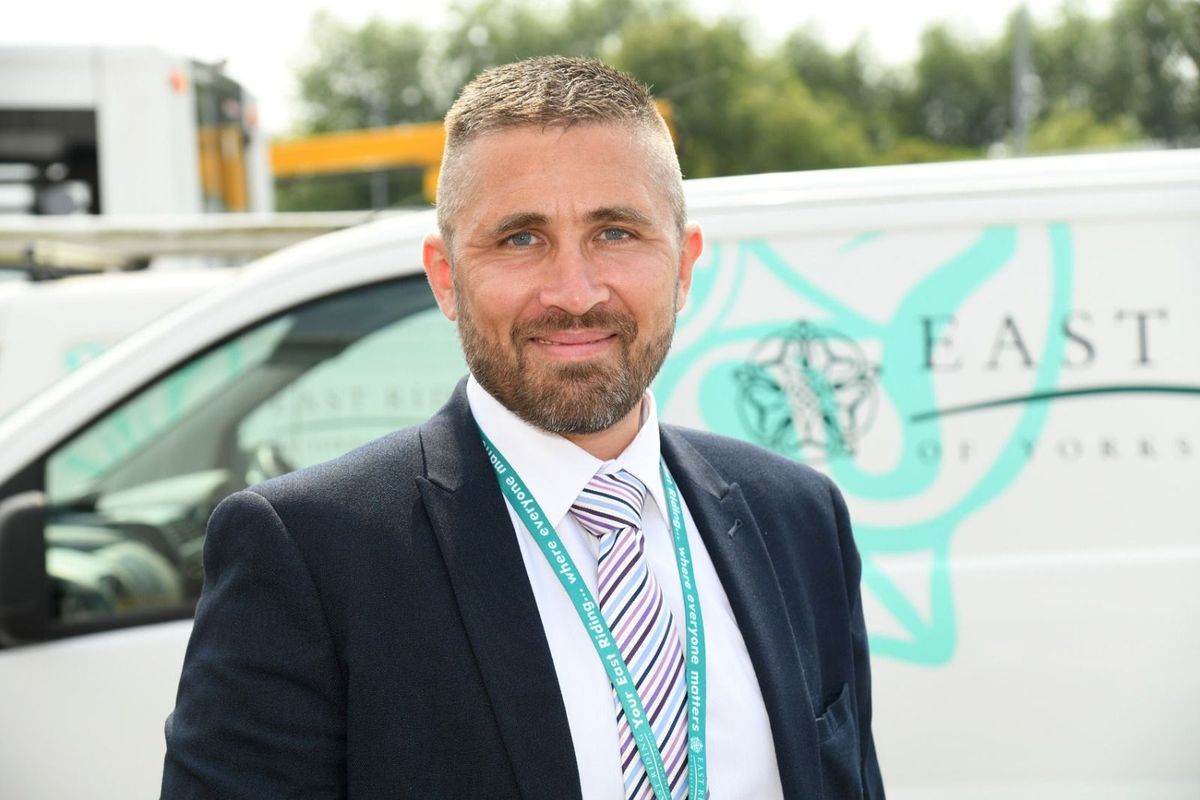
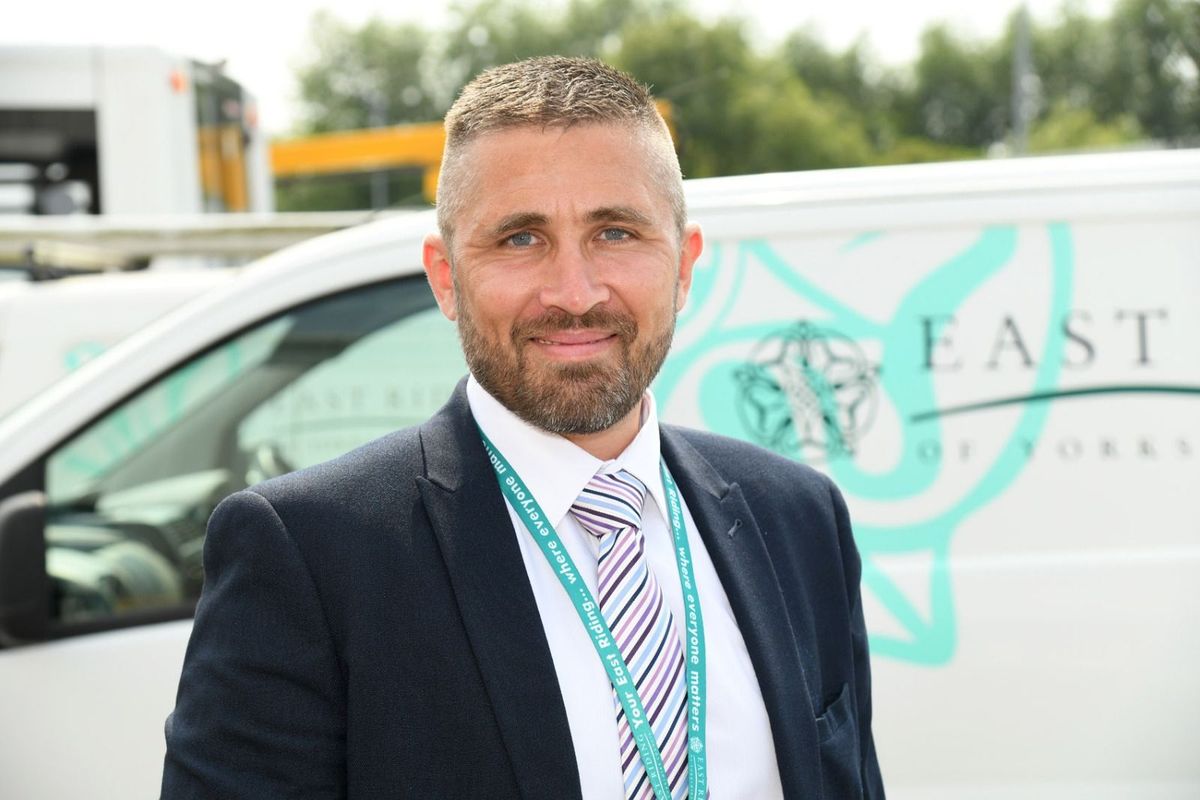
Carl Gillyon, head of highway network management at East Riding Council(Image: East Riding of Yorkshire Council)
“If you come across someone needing lifesaving assistance and you’ve got a defibrillator with you, that experience is going to be a scary one – but it’s going to be as scary, if not more so, if you haven’t got one.” So says Carl Gillyon, the head of highway network management at East Riding Council and another person backing the initiative that has put portable defibrillators on board the region’s bin lorries.
So far, the scheme to have AEDs – portable devices that deliver an electric shock to the heart during sudden cardiac arrests to restore its normal rhythm – only extends to the county’s fleet of refuse wagons and their crews. The pioneering move by the council has been made possible by grant funding and the support of Beverley company Act Fast First Aid.
But Carl said: “It’s expandable. We have 650 vehicles in our fleet alone and its potentially expandable right across it; the portable defibrillators make no difference to the vehicles and no modifications are needed to carry them.”
Carl is an advocate for the scheme that “makes sense” when it is applied to such as a fleet of refuse wagons. “There are 72 vehicles out and about daily, covering 957 square miles weekly, and almost a million miles annually.
“That’s equivalent to 40 times around the World or just over two round-trips to the moon and back.” Carl said he was sure it would provide reassurance to the community that, in the event of someone having a heart attack, a bin lorry could very likely be nearby with a defibrillator on board.
“Our crews get to know the locations, they get to know people – and also where the vulnerable people might be. They’re more than a refuse collection team; they’ve got their eyes on the ground; the intelligence to know if things change and if something’s not right.
“With how rural we are in this county, sometimes places have helped themselves by installing defibrillators at village halls, for example. But there are only so many locations like that; there are gaps.”
Carl said: “Some of the refuse wagon drivers and crew have been nervous about it, from the conversations we have had. But we’re not asking them to be first-aiders, or to use these pieces of kit themselves.
“If they can deploy them, it’s even better, and the more they have the training they will realise how straightforward a machine it is to use. But it’s more about having the kit there and available, maybe for a member of the emergency services to use.”
Hull Live is backing the initiative, and going one further by helping to spread the word and urge other councils across the country – particularly those in rural areas – to consider a similar scheme.
Did you know you can make Hull Live a preferred source of Hull news in Google, which will mean you get more of our breaking news, exclusives, and must-read stories straight away? Here’s more information about what this means and how to do it – you can also do it straight away by clicking here .