


Policymakers believe oracy will become ever more important as technology and artificial intelligence increasingly dominate the workplace
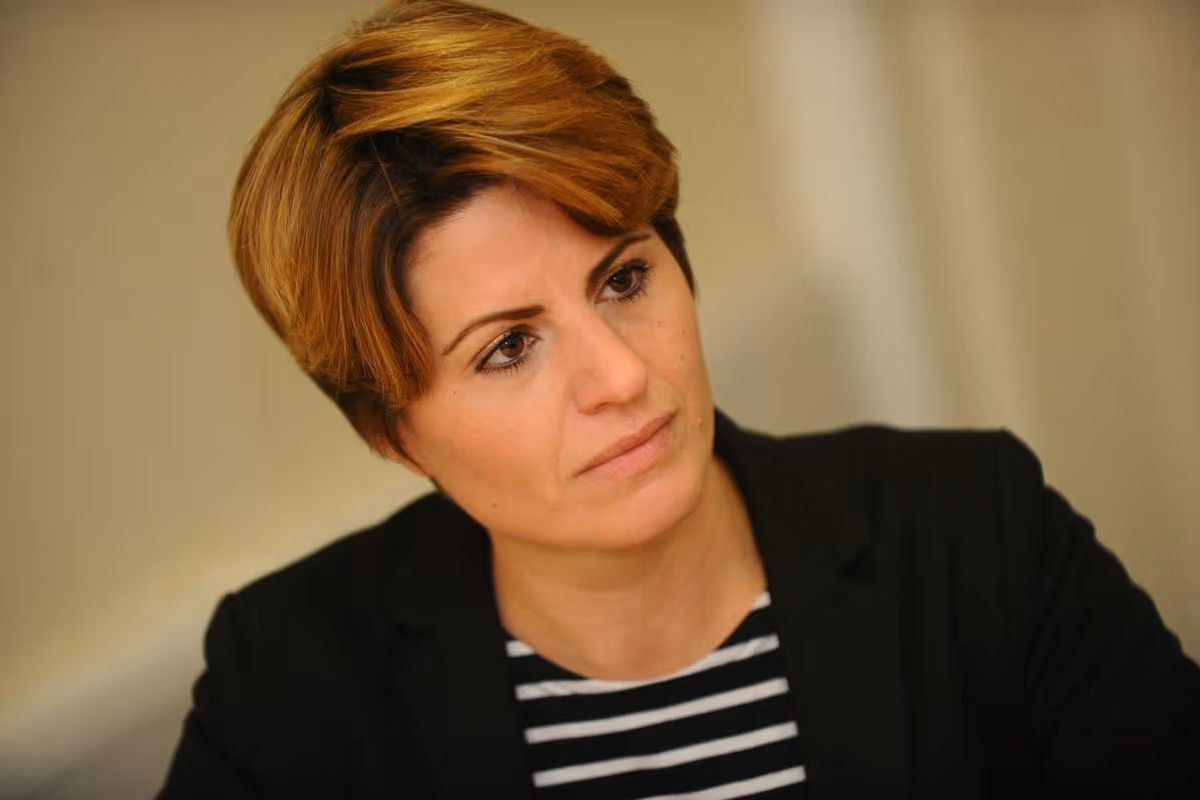
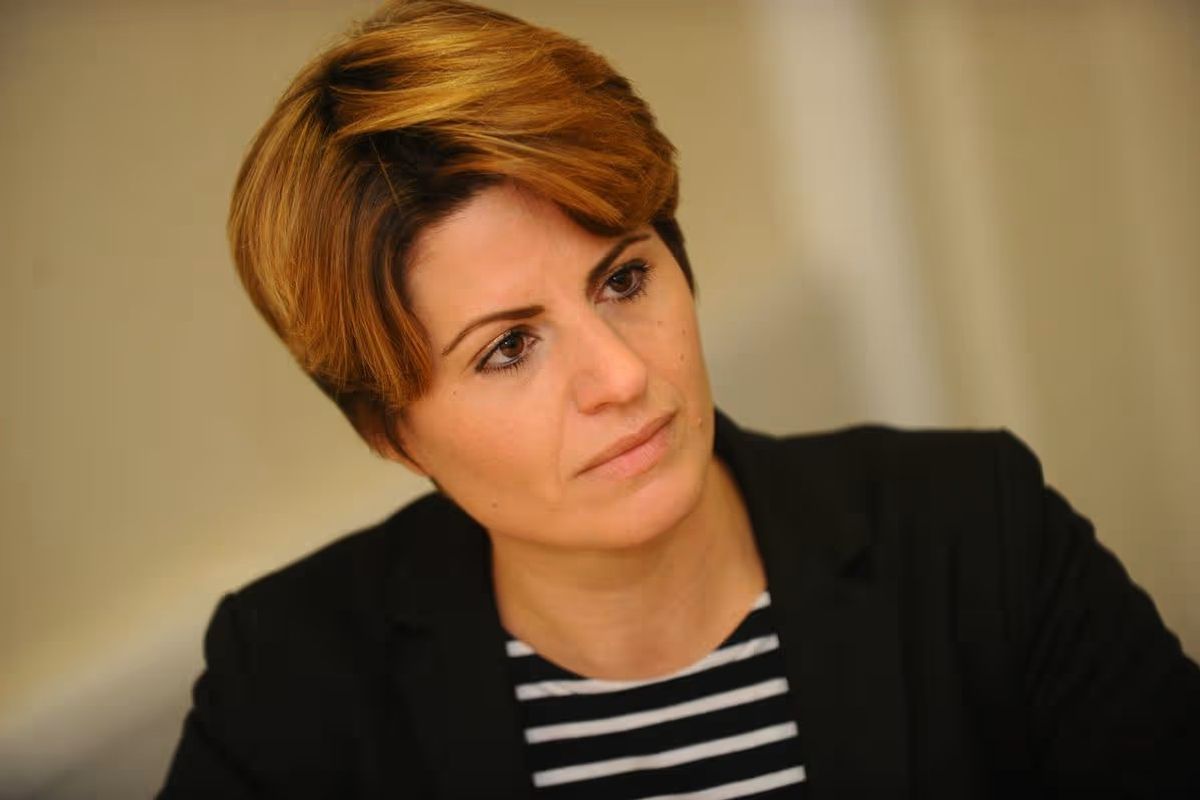
Public speaking will be put on an equal footing alongside reading and writing, following a successful campaign by Emma Hardy MP(Image: Katie Pugh)
A long campaign to elevate spoken language skills in classrooms has achieved a historic victory, as the government has officially confirmed that public speaking and listening skills will be granted ‘equal status’ alongside reading and writing. The news is a huge moment for Emma Hardy, the Labour MP for Kingston upon Hull West and Haltemprice, who believes oracy skills will be transformational for future generations.
The public speaking skills will allow young people to articulate themselves more fluently and confidently. They will form a brand-new strand of the revised national curriculum that aims to level the playing field and give children more confidence.
Policymakers also believe oracy will become ever more important as technology and artificial intelligence (AI) increasingly dominate the workplace. It is hoped that the skills could support young people through college, university and technical training too.
Boosting opportunities for working class people
“As a former primary school teacher, this has been something I’ve campaigned for since I first became an MP nine years ago,” Ms Hardy explained. “Throughout my career, I’ve seen that children from working-class backgrounds have just as much talent, ability and ambition as anyone else, but they’re not always given the same opportunities to develop the confidence and communication skills that help them succeed.
“That’s why I set up the All-Party Parliamentary Group on oracy, which commissioned a major inquiry into its role in education and continued to raise it with colleagues in opposition and now in government. The evidence was clear: strong speaking and listening skills improve attainment, boost confidence and wellbeing, and help young people progress into the jobs, apprenticeships and university courses they aspire to.”
The campaign’s momentum culminated in an address at the Confederation of School Trusts annual conference in Birmingham, where Education Secretary Lucy Powell formally announced that oracy would become part of the curriculum up to and including GCSE assessment. Emphasising the urgency of the change, Lucy Powell highlighted that the rise of AI makes human skills such as speaking and listening ever more important.
“In this new tech age, too few children are getting what they need. Practical skills are disappearing from practical subjects, just when the world demands the opposite. That isn’t politics or ideology; it’s a fact,” she said.
“Now oracy will become the right of every child. Nobody left out because they can’t speak up. That’s why we’re hardwiring oracy into the revised national curriculum. And I can announce today that I will give oracy equal status to reading and writing, as a brand-new strand of the English curriculum.”
Welcoming the national policy shift, Emma Hardy explained oracy was a vital skill for a modern and fast-changing economy that needed a workforce with better skills across debating and collaborating. She said: “I’m delighted to see the government putting oracy on equal footing to reading and writing in the curriculum. At a time when artificial intelligence is transforming the world of work, the uniquely human skills of communicating, debating, collaborating and expressing ideas clearly will become even more valuable. For too long, the ability to articulate yourself confidently has too often been a marker of privilege rather than a right for every child.”
This legislative shift builds directly on momentum from the Speak for Change parliamentary inquiry and ongoing support from the English Speaking Board. The initiative responded to findings – including a report from the National Literacy Trust showing that oracy opportunities drop sharply in early secondary school – and laid the groundwork for the government’s new commitment.
Did you know you can make Hull Live a preferred source of Hull news in Google, which will mean you get more of our breaking news, exclusives, and must-read stories straight away? Here’s more information about what this means and how to do it – you can also do it straight away by clicking here.
From the ground up – a campaign born in Hull and East Yorkshire
Emphasising the local pride behind this nationwide transformation, Ms Hardy added the new approach could be transformational for young people in Hull and East Yorkshire and put the success of the campaign down to her grounding as a teacher in local schools in the region. “This also shows the difference a local MP can make,” she said.
“What started with what I saw in classrooms here has helped drive a national change that will benefit children across the country. Most importantly, it will help young people in Hull and East Yorkshire develop the tools to speak up, make their voices heard and take their place around the table, because they absolutely deserve to be there.”
Currently, the English language GCSE includes a compulsory spoken language component that is graded separately, but it does not contribute to the final grade. Under the newly announced curriculum revisions, education leaders aim to embed spoken skills seamlessly across classroom learning so that oracy ‘lights up every classroom’. Teachers will be able to strengthen their teaching of oracy through practical tips, tried-and-tested strategies and examples of best practice.
To find all the planning applications, traffic diversions, road layout changes, alcohol licence applications and more, visit the Public Notices Portal.