


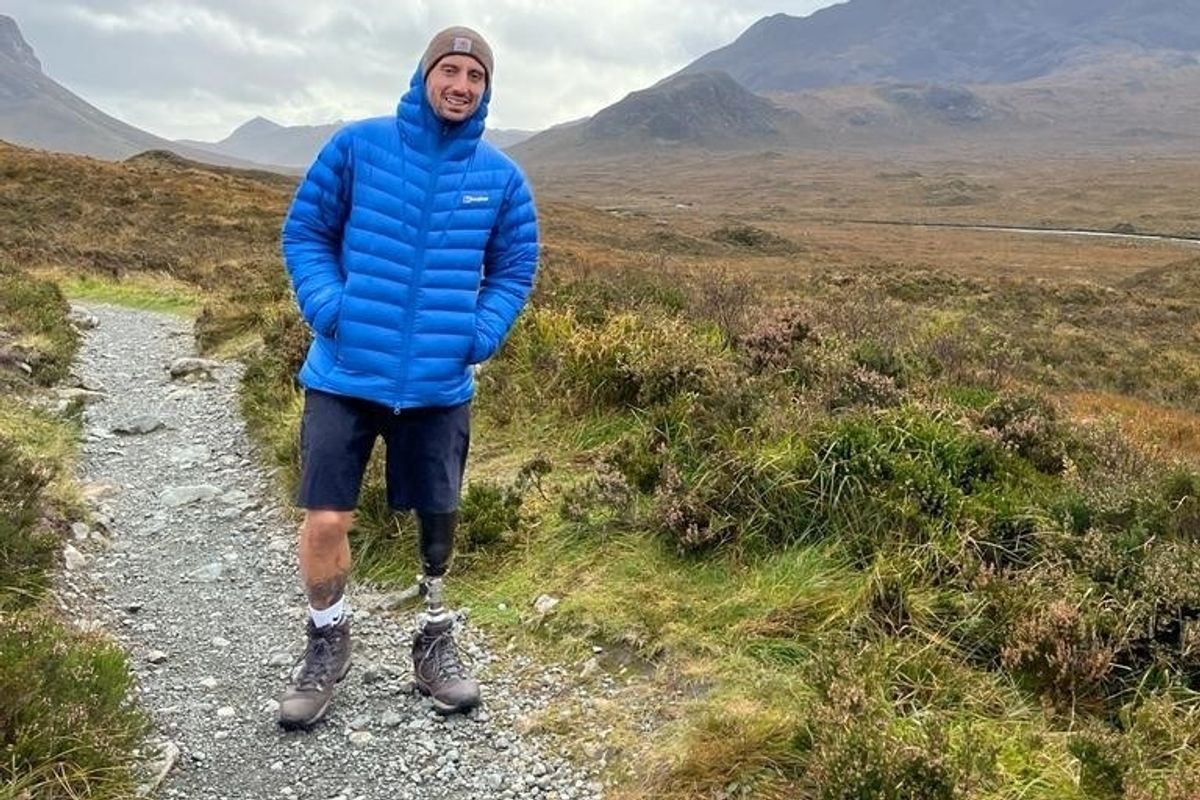
Sam Waddington is the face of a new campaign by Day One Trauma Support, highlighting how survival is not the same as recovery
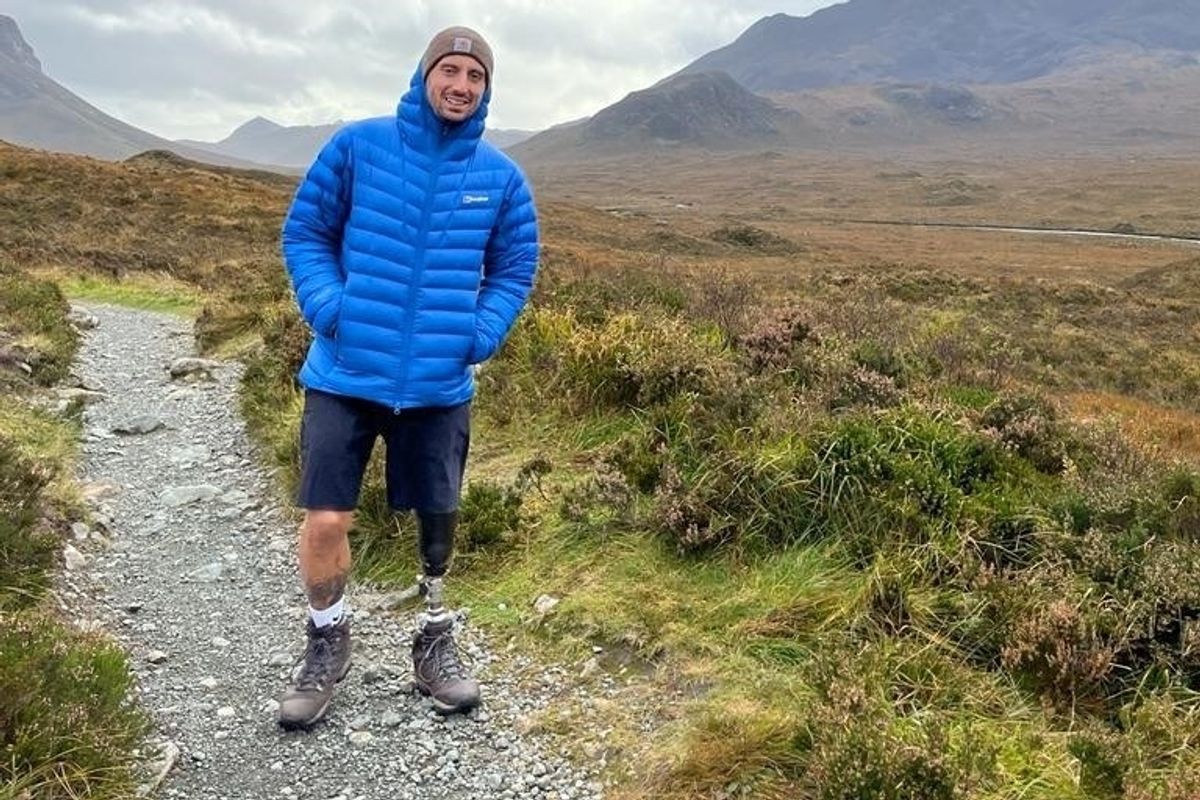
Bridlington man Sam Waddington who experienced major trauma in a bike accident(Image: Submitted)
A Bridlington man who suffered a tragic accident which caused him to lose his leg is fronting a new campaign aimed to raise awareness of major trauma. Sam Waddington had his leg amputated below the knee and broke his ribs, vertebrae, femur, shoulder, collarbone, thumb and nose when he came off his bike in a crash that left his vehicle shattered into three pieces in someone’s garden. He has spoken about the early days of his recovery, living back in his dad’s house and getting used to life with a prosthetic limb.
Sam described what happened after he woke up in Hull Royal Infirmary. He said: “A week of my life had disappeared. I met the paramedic who treated me at the scene. She said it was the worst thing she had ever seen. I couldn’t move for weeks. I was completely dependent on other people for everything. I was frightened, vulnerable and had no idea if I would ever get my life back.”
His experiences are part of a new awareness campaign which highlights the often hidden reality of life after major trauma. ‘I lost my life when I didn’t die’ is a new awareness campaign from Day One Trauma Support. The campaign aims to “challenge the widespread assumption that once someone has survived a serious injury and left hospital, their ordeal is over”. For many survivors, the physical injuries may be visible, but the loss of independence, identity, relationships, confidence and future plans can be harder to see – and can take years to navigate.
Lucy Nickson, chief executive of Day One Trauma Support, said: “The frightening reality is that major trauma can happen to any one of us. You’re crossing the road when a car comes out of nowhere. You’re knocked off your bike. You fall down the stairs. In a single moment, the life you knew and the future you had planned can disappear.
“Yet most of us have little understanding of what happens next. We know about the emergency response. We hear about the operations and the incredible work of NHS trauma teams. But what happens when the hospital doors close behind you? Survival is not the same as recovery. For many people like Sam, that is when the hardest part begins.”
Major trauma describes serious injuries that can be life-threatening or life-changing. It can include brain or spinal injuries, serious burns, amputations, multiple fractures or a combination of severe injuries. While advances in trauma care mean more people are surviving these injuries, the campaign attempts to highlight the ordeal people to through after they have survived.
“Major trauma is devastating. It is more common than people realise, and its impact can last a lifetime. We have to be prepared to confront the uncomfortable reality of what happens after survival if we are going to make sure that no one is left to face it alone,” Lucy added.
Sam is now a peer support volunteer with Day One Trauma Support, which he describes as a “turning point” in his recovery. “I just wanted to get back to normal, that’s all I wanted. I moved back in with my dad and I couldn’t do anything for myself. It was so tough for all of us,” he said. “It was a year before I could start wearing a prosthetic and the first one was a big, bulky thing that didn’t fit properly. We didn’t know about Day One at the time of the accident and looking back now there are so, so many things that we had to navigate alone as a family that Day One can help with. My family would have done anything for me, but they didn’t know there were organisations that could have helped. Having not had that support, I know how much of a difference it would have made.
“I’ve always had the mentality growing up that you just push through it, but when I eventually met other amputees, it really opened my eyes as to how much it could have helped me. So when I learned about peer support, I wanted to be involved. I’ve noticed people’s faces light up when they realise I’m an amputee because I’ve walked in normally with a smile on my face.”
Day One Trauma Support provides emotional and practical support to people living with the long-term consequences of major physical trauma, helping them navigate the uncertain transition after surviving a life-changing injury. Find out more about major trauma and the I lost my life when I didn’t die campaign at dayonetrauma.org
Did you know you can make Hull Live a preferred source of Hull news in Google, which will mean you get more of our breaking news, exclusives, and must-read stories straight away? Here’s more information about what this means and how to do it – you can also do it straight away by clicking here .