


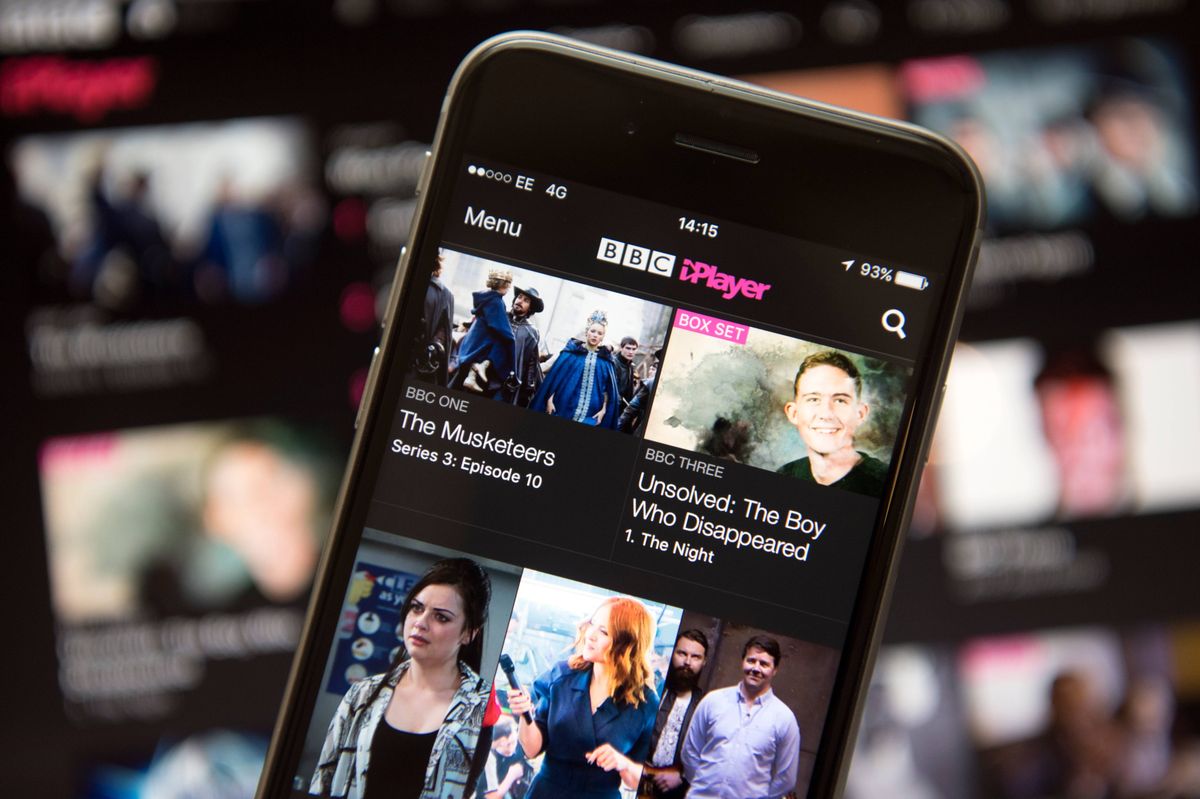
The number of people with an active TV licence in the UK has fallen by more than half a million in the past year
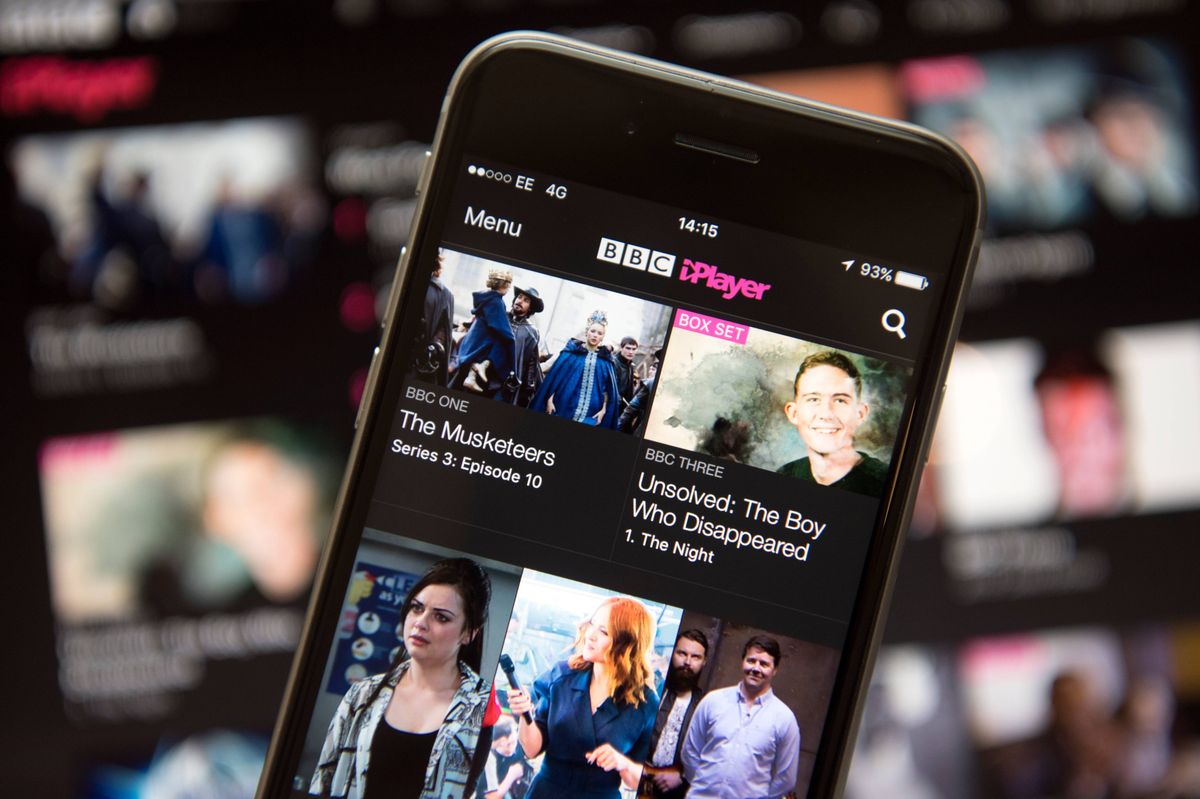
A licence is needed for iPlayer and live TV(Image: Carl Court, Getty Images)
As beloved programmes like Drag Race UK face the axe at the BBC as part of cost-cutting measures, figures show the number of people holding an active TV licence has dropped by more than half a million over the past year.
While price rises have maintained the BBC’s revenue stream, the disappearance of popular shows means many households may now be weighing up their options regarding the TV licence fee. Here, legal expert Peter Goodchild, programme director at The University of Law, offers guidance to help TV owners understand when they’re required to purchase a licence, the cost involved, and the serious legal consequences of operating without one.
Do I really need a TV licence?
Property owners or tenants who watch or record live programming on any device – including computers and tablets – must hold a TV licence. The same requirement applies to any programmes downloaded or viewed through BBC iPlayer.
The only time you don’t need a licence is when watching non-BBC programmes with catch-up services, videos, DVDs or Blu-Rays, or online videos on sites such as YouTube. You only need one licence per residence, which will cover everyone in that household.
How much is a TV licence
The TV licence fee is £180 per year. There are options to pay this in an annual lump sum, or in monthly or quarterly instalments. For owners of black and white TVs, the licence fee is £60.50.
Am I exempt from paying for a TV licence?
Certain exemptions and discounts are available in particular circumstances, though it’s worth noting that if you were eligible, you would most likely have already been notified. If you are aged 75 or over and you, or your partner residing at the same address, receives pension credit, you can apply for a free TV licence.
It’s also worth investigating this if you live in a residential care home, supported housing or sheltered accommodation, as you may qualify for a free licence or an Accommodation for Residential Care (ARC) licence costing £7.50. Those who are blind or severely sight impaired may also be entitled to a 50% discount, provided you can supply “appropriate evidence”.
What happens if I don’t have a TV licence?
Given that the UK TV licence fee was found to be the fourth highest across Europe, it’s understandable why some people might consider avoiding payment.
However, it’s crucial to emphasise that if you are caught watching TV without a licence, you could face a fine of up to £1,000, along with legal costs and any compensation incurred. Significantly, you could also end up with a criminal record.
If you are certain you don’t require a licence based on the above criteria, the most advisable course of action is to notify TV Licensing through official channels.
Should your circumstances change and you find yourself requiring a licence once more, ensure you get back in touch to purchase one. Failing to do so puts you at risk of being found guilty of licence fee evasion and facing substantial fines.