


Ineos owner Sir Jim Ratcliffe has railed high energy prices in the UK
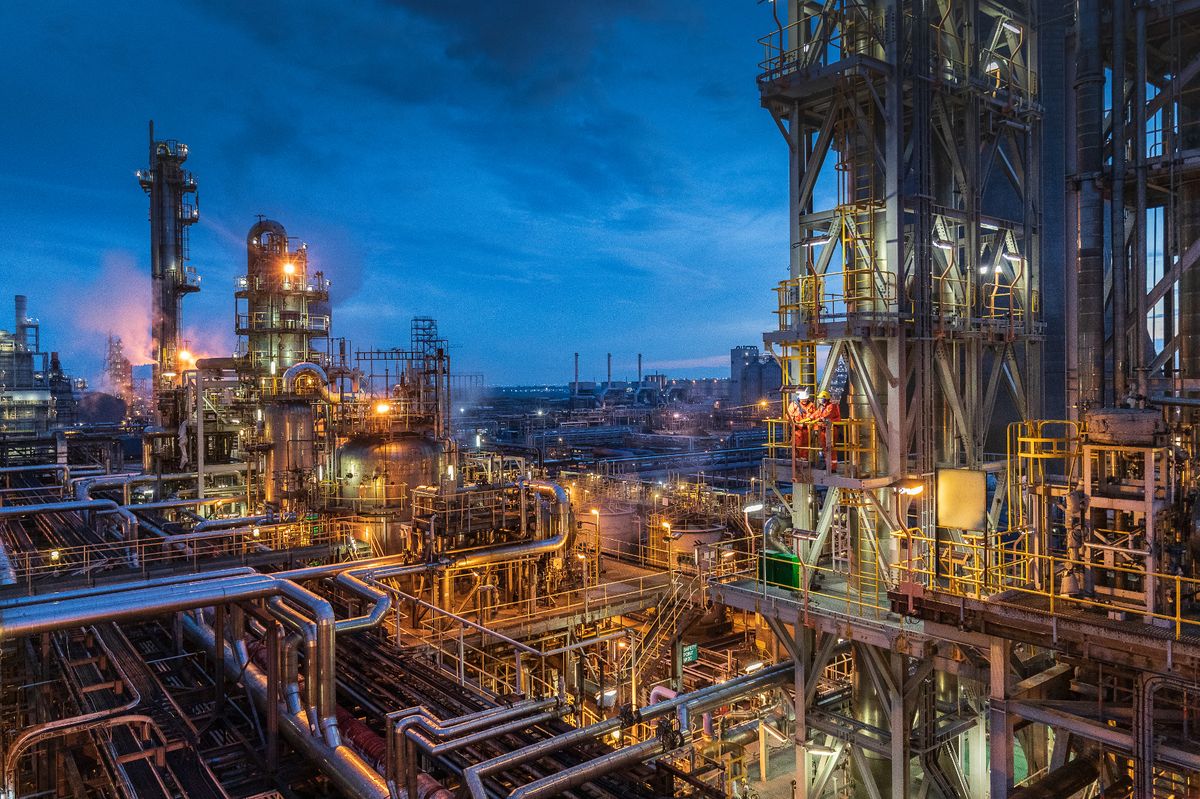
The INEOS manufacturing site in Hull(Image: Stuart Conway for Ineos)
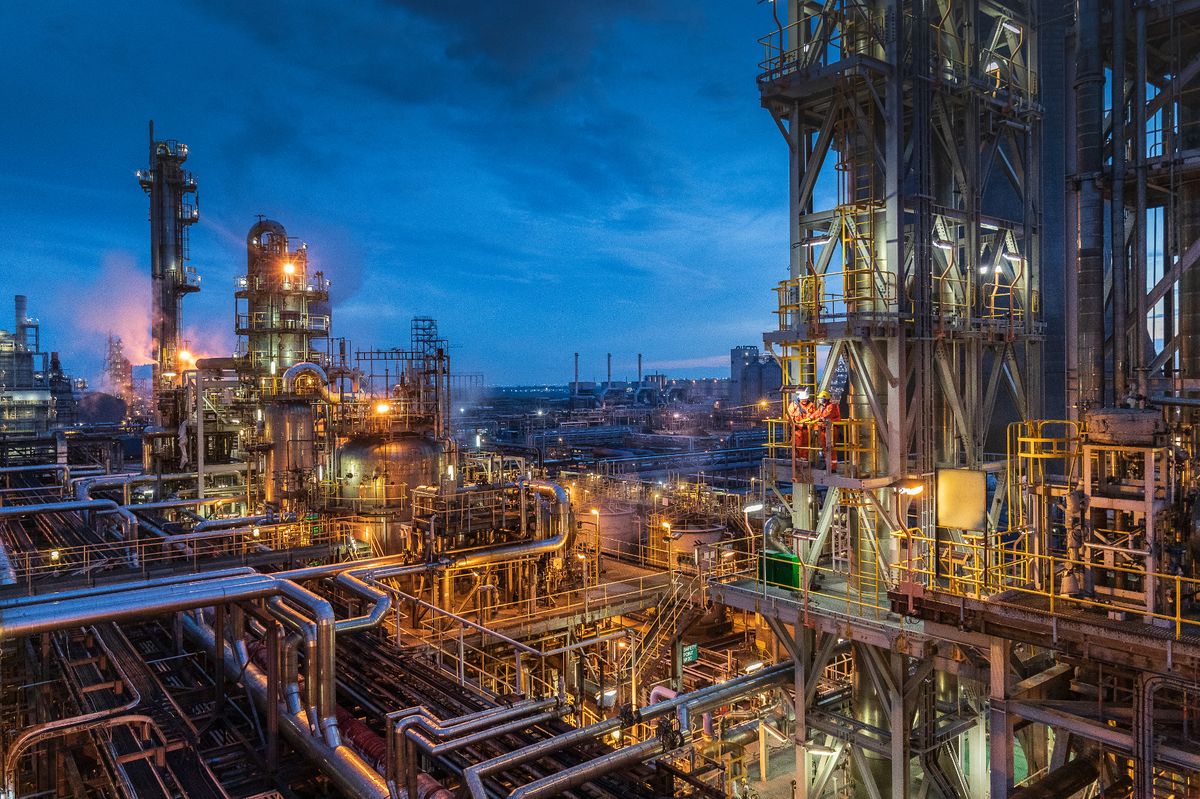
Three Hull chemicals factories belonging to Ineos are to be “idled” in a move that threatens the future of 4,000 jobs. Ineos’ billionaire owner Sir Jim Ratcliffe blamed high gas prices for the move to mothball the sites at Saltend Chemicals Park, which make products used in pharmaceuticals, clothing, cosmetics, detergents, construction materials and military explosives.
The international conglomerate says gas prices in the UK are now 12 times those in the US, and eight times more costly than production based on coal from China. And with the plants using gas for energy and in the production process, operation has become too expensive.
Sir Jim, chairman of INEOS said: “I’m sure people will find it hard to believe that we are being forced to mothball some of the most efficient plants in Europe but with gas prices now 12 times the level in the US and eight times that of China, we just cannot compete. Not only is the ridiculously high gas price in the UK destroying our manufacturing base and the jobs of hard-working people on Humberside, it is also massively increasing the environmental burden with replacement products supplied from the USA at double the carbon emissions and from China at eight times the emission level.
“The UK government’s energy policy is leading to economic vandalism on an industrial scale, exporting jobs to China and the United States and driving up global CO2 emissions at a stroke.”
Two of the three chemical intermediate plants have already suspended operations with a third due to come offline in the next few days. Ineos says the move is “until further notice” and has highlighted that permanent closure would impact close to 4,000 jobs on Humberside.
Ineos’ move follows the loss of 60 jobs at Saltend last year, when the firm also blamed rising energy costs and overseas competition. The sites supply materials to customers across Europe.
The firm says that thanks to investment, the Hull operations are amongst the most efficient in the world and operate at the lowest possible level of CO2 emissions. The Hull units produce material with a carbon footprint that is said to be two times lower than that produced in the United States and eight times lower than Chinese material.
Did you know you can make Hull Live a preferred source of Hull news in Google, which will mean you get more of our breaking news, exclusives, and must-read stories straight away? Here’s more information about what this means and how to do it – you can also do it straight away by clicking here.