


The new Ofgem price cap will mean the average household energy bill will be £1,723 a year from October 1
Energy bills are set to rise for most people(Image: Getty)
While September has been relatively mild so far this year, the temperatures have already fallen significantly from the summer. A string of separate heatwaves between May and August meant the UK weather hit record highs, leaving homes often uncomfortably warm.
Now that those days are behind us, many people are already adding layers to their clothing and even considering switching the heating back on. However, one thing that can cause worry and anxiety is the ever-increasing cost of living – especially for basic essentials such as food, fuel and energy bills.
Ofgem has already confirmed the energy price cap will rise from October 1 to December 31, 2026, by 4% on the previous price cap period. It will mean that the average bill for a typical home on standard variable tariffs will be £1,723 per year.
This figure is based on the average energy unit rate and standing charge for people who pay by Direct Debit in England, Scotland and Wales. The actual bill households will receive will also depend on how much energy they use.
However most families will see their bills rise leaving many wondering how they can cut costs while still staying warm. Energy regulator Ofgem has advice to help people save money on their energy bills with some simple, everyday actions and home improvements.
It said: “You can reduce your gas and electricity bills by using less energy and making your home more energy efficient.” It advised how much you can save depends on:
- the type of home you live in
- the appliances and systems you have in your home
- how you use your appliances and systems
It shared some “everyday actions” that can “save energy right away”. This is what it recommends:
Turn down the boiler temperature
If you have a combi boiler, lowering the temperature of the water it sends to your radiators and your hot water tank will make it cheaper to run. It explained how to do the Money Saving Boiler Challenge which could save £65 a year on your gas bill by changing one setting on your boiler.
Turn down your heating
Use less energy for heating your home by lowering your thermostat and turning down radiators in empty rooms.
Set your washing machine to 30°C
Modern washing machines and laundry detergents clean clothes at lower temperatures. Save energy by:
- setting your washing machine to 30°C
- filling your machine completely
- using shorter wash cycles
Close the curtains at night
Closing the curtains at night will stop warm air from escaping your home through the windows. This helps save money on heating.
Use energy-efficient bulbs
Changing old bulbs to energy-efficient LED lights can save you up to £4 per bulb per year, according to the Energy Saving Trust.
Stop heat from escaping your home
Block gaps around windows and doors to keep cold air out and stop warm air from escaping. Make sure you don’t block ventilation channels, like wall or window vents. For further tips on draught-proofing your home visit the Energy Saving Trust website.
Use window film on single glazing
When replacing single-glazed windows is not an option, window film helps keep heat in and save money on your heating bill. According to the Centre for Sustainable Energy approximately 10% of the total heat loss from a typical house is through the windows. Secondary glazing can be a cost-effective way of reducing this heat loss and making your home more comfortable.
If replacing old single-glazed windows with modern double-glazing is not an option because of cost or because the house is listed or in a conservation area, it is still possible to cut out the draughts and reduce heat loss through windows using various forms of secondary glazing including using thin, transparent plastic film which you install yourself using strips of double-sided sticky tape around the frame of the window. Alternatively a little more expensive but more permanent you can get sheets of rigid and transparent material to fit.
Wrap up your hot water tank
Insulating your hot water tank prevents heat loss, which saves energy. You can buy a ‘hot water cylinder jacket’ in hardware stores or online.
Install smart thermostats and heating controls
With smart thermostats and heating controls, you can set your heating and hot water to come on only when you need it, which saves money on your energy bills.
Get a smart meter
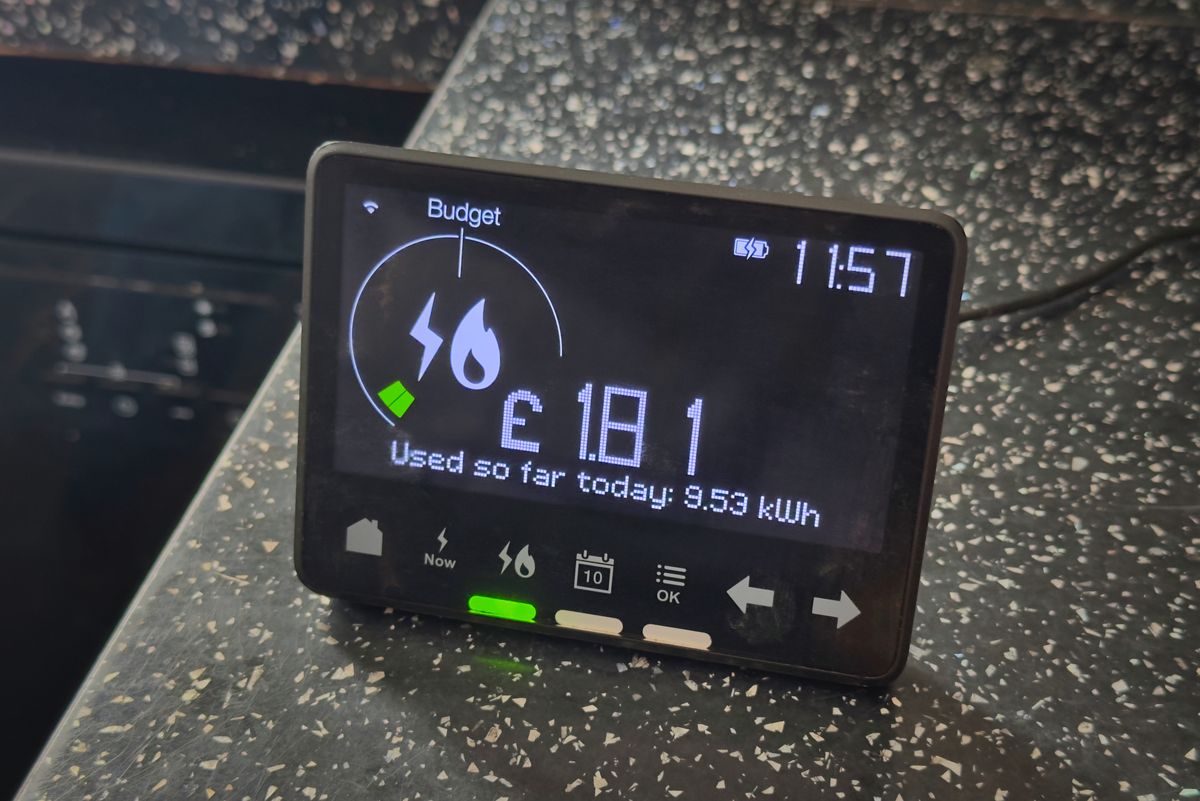
A smart meter shows you how much energy you are using, which can help you use energy more efficiently. Your energy supplier can install a smart meter for free.