


Need to know
Thousands of birds are returning from their wintering grounds
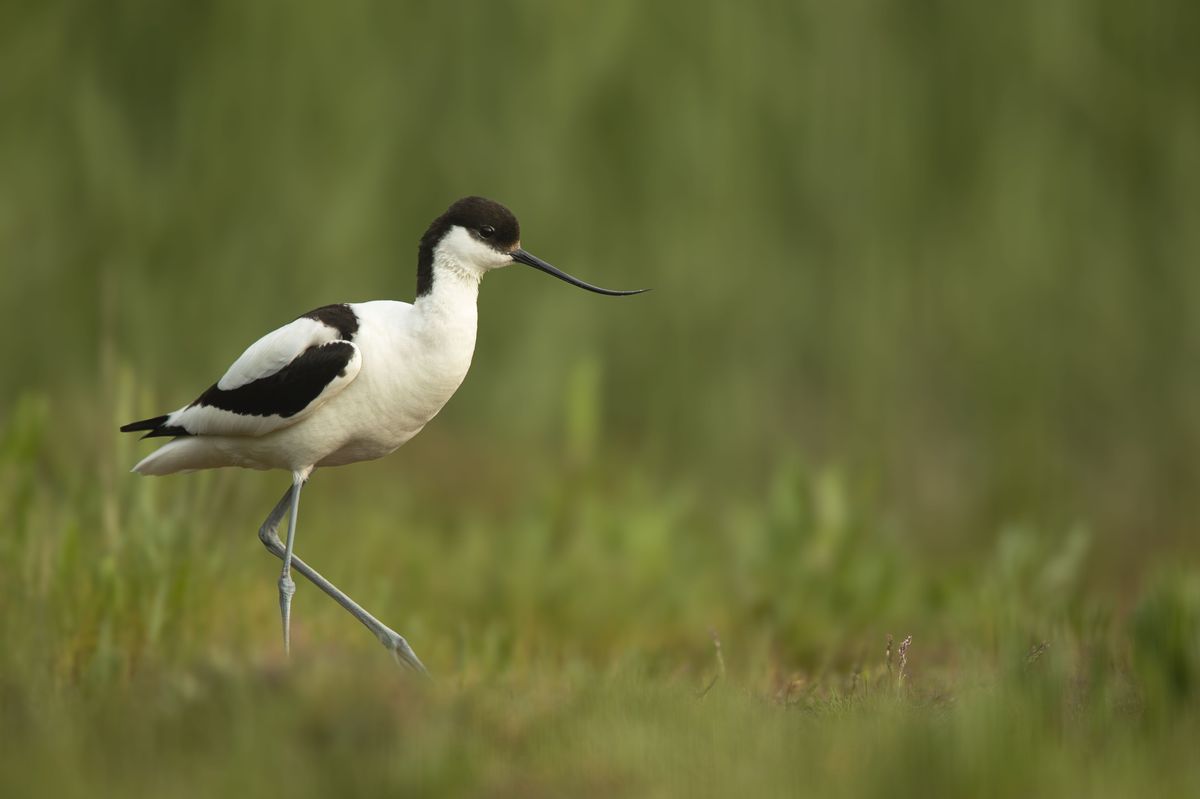
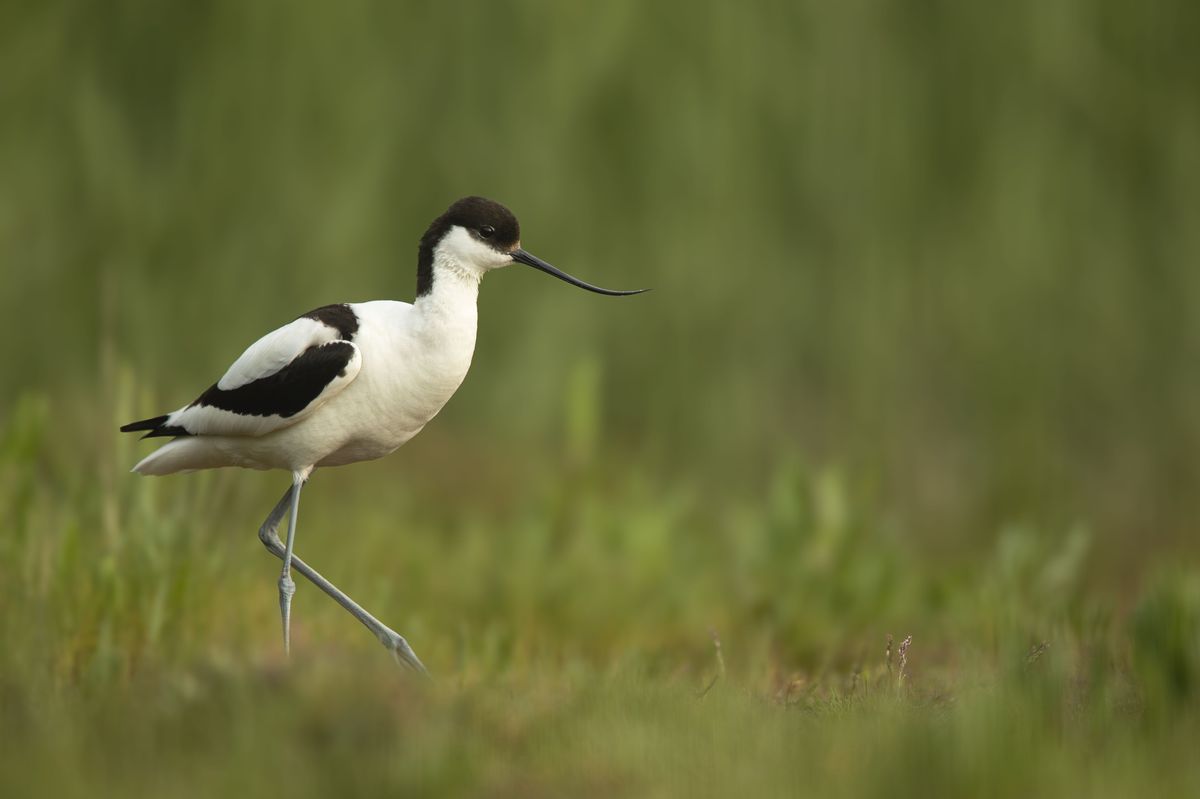
An adult avocet – you can see them at RSPB Blacktoft Sands(Image: Ben Andrew/RSPB Images)
Migrating birds are arriving back in the East Riding and wider county of Yorkshire this month
- The birds are returning from their African and offshore wintering areas to breed, as well as some that are passing through as they head further north to their Arctic breeding grounds. The RSPB’s reserves are the ideal places to spot some of these birds, including sites in East Yorkshire.
- At RSPB Blacktoft Sands, near Goole, breeding avocets – symbol of the charity – with their long blue legs and upturned bills are bringing the shallow lagoons to life with their distinctive loud “klute-klute” call. Breathtaking male and female marsh harriers are sky-dancing together above the reedbeds there.
- Pete Short, reserve manager at RSPB Blacktoft Sands, said: “We absolutely should be making a song and dance about what a special place Yorkshire is for nature and wildlife. Even after nearly 50 years of birdwatching in the county, I still get a real thrill when I see the first swallows arriving back or hear my very first cuckoo.”
- Meanwhile at RSPB Bempton Cliffs, comical puffins and thousands of gannets are now busy building their nests on East Yorkshire’s chalky white cliffs, having returned from the cold waters of the Atlantic. Further afield in Yorkshire, one of the rarest breeding birds in the UK, the black-necked grebe, is beginning to arrive at RSPB St Aidan’s, near Leeds – the nature park is home to around 30 per cent of the UK population of this rare and vulnerable species.
- Nearby, the large and growing heronry at RSPB Fairburn Ings is now packed full of displaying and nesting grey herons, cormorants, spoonbills, little and cattle egrets, making it a must-see breeding bird spring spectacular. At RSPB Old Moor, near Barnsley, male bitterns are booming loudly with the distinctive but haunting sound reverberating across the reedbeds where sedge warblers and reed warblers are singing to announce their recent arrival from tropical West Africa.
- Migrant birds passing through the county include black-tailed godwits and whimbrels on their way to Iceland and dunlins heading to Scandinavia, all stopping off in Yorkshire to feed and build up strength for their long journeys. Across Yorkshire’s five flagship RSPB nature reserves, visitors can see over 100 different species as resident birds, such as lapwings, Cetti’s warblers and bearded tits are joined by summer migrants fresh in from Africa.
- Richard Barnard, the RSPB’s area manager for Yorkshire, said: “Across all our nature reserves in the region, we work hard to maintain the perfect habitat conditions for birds and it’s a real privilege to be able to share them with thousands of visitors here in Yorkshire. Many species such as lapwings, cuckoos and puffins are sadly in decline but there is still time to turn this around.
- “And every visit to our nature reserves helps support our vital conservation work in Yorkshire.”
- Did you know you can make Hull Live a preferred source of Hull news in Google, which will mean you get more of our breaking news, exclusives, and must-read stories straight away? Here’s more information about what this means and how to do it – you can also do it straight away by clicking here .

At Reach and across our entities we and our partners use information collected through cookies and other identifiers from your device to improve experience on our site, analyse how it is used and to show personalised advertising. You can opt out of the sale or sharing of your data, at any time clicking the “Do Not Sell or Share my Data” button at the bottom of the webpage. Please note that your preferences are browser specific. Use of our website and any of our services represents your acceptance of the use of cookies and consent to the practices described in our Privacy Notice and Terms and Conditions.