


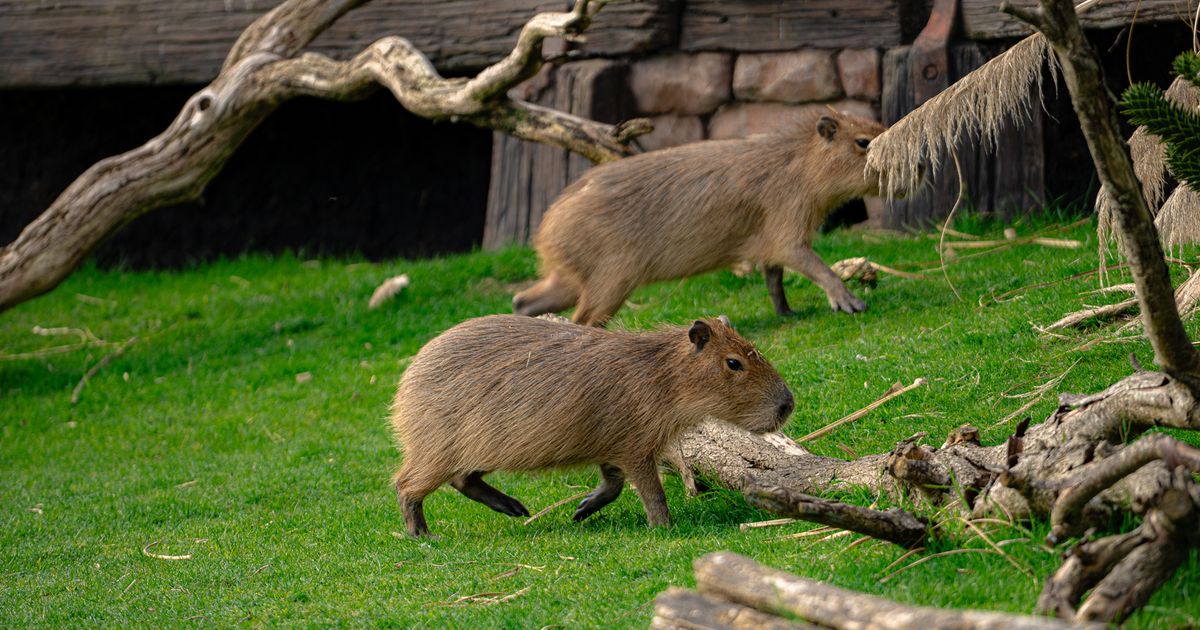
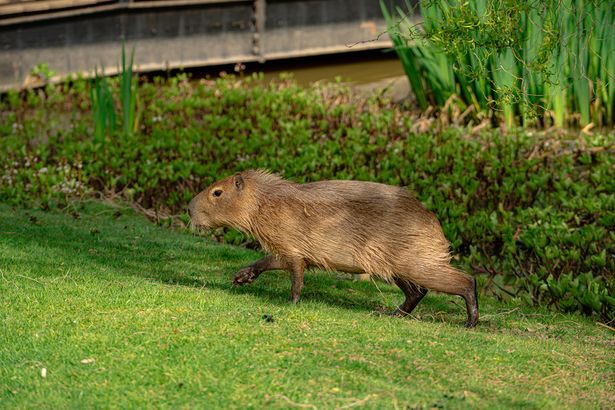
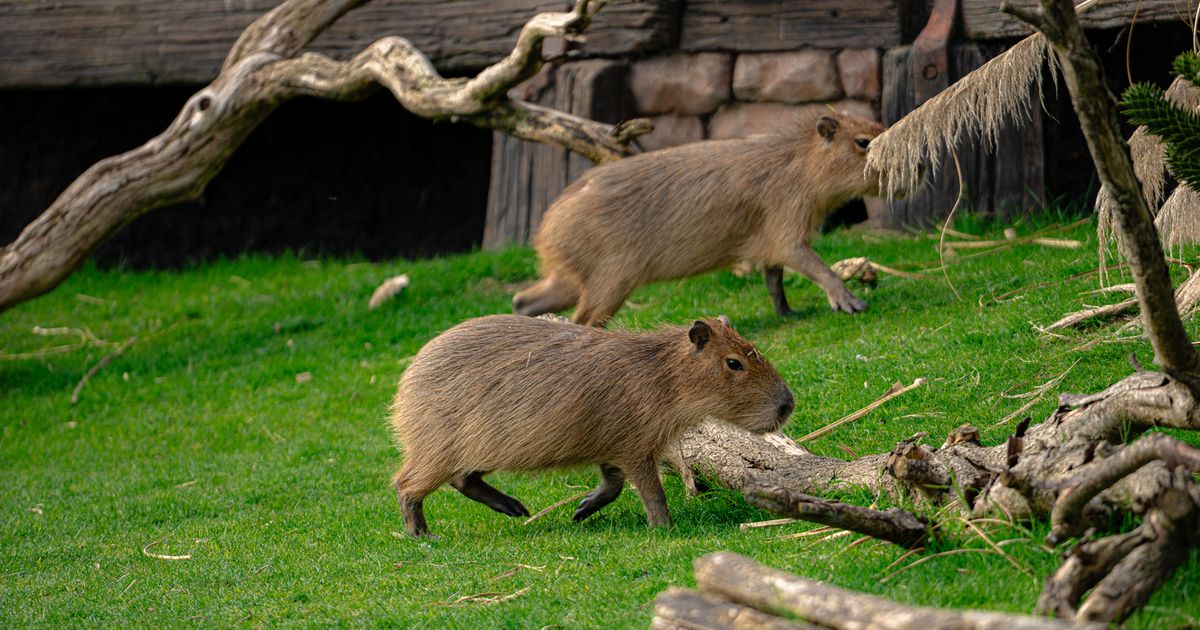
The award-winning Yorkshire Wildlife Park has announced the arrival of two new residents, a pair of capybara brothers who have made the journey from the Netherlands to their new home in South Yorkshire.
The duo, named Chip and Dale, travelled from Gaia Zoo to join the Amazonas Reserve at the park. Born on June 9 last year, the brothers are currently approaching their first birthday. Despite the significant move, the pair have already made a positive impression on the staff at the park, with rangers noting their remarkably laid-back attitude during the transition.
The brothers were allowed to explore their outdoor surroundings only days after arriving. Dr Charlotte MacDonald, Director of Animals, expressed her enthusiasm for the new additions and their smooth integration into the reserve.
“We are delighted to welcome Chip and Dale to the park,” Dr MacDonald said. “They have settled in well after their long journey. We let them outside and they had a good look around before heading straight back into their house. Capybaras are very sociable animals, and we are sure that they will be very popular amongst visitors.”
The Amazonas Reserve is designed to transport visitors to the heart of the Amazon rainforest, serving as a hub for several incredible South American species. Chip and Dale will be sharing their habitat with a diverse range of neighbours, including golden lion tamarins, silvery marmosets, and red titi monkeys. They will also live alongside other South American rodents, such as the mara and agouti.
Visitors to the park are able to observe the animals from pathways that loop through the expansive reserve. The design allows the animals to move freely, coming and going as they please within the naturalistic environment.
Closely related to guinea pigs; capybaras are the world’s largest rodents and extremely sociable animals. With partially webbed feet and big thick bodies, they spend a lot of time in the water and can remain submerged for up to 5 minutes. They often submerge in water to avoid predators and can even sleep underwater by leaving their nostrils poking out of the surface to breathe.