


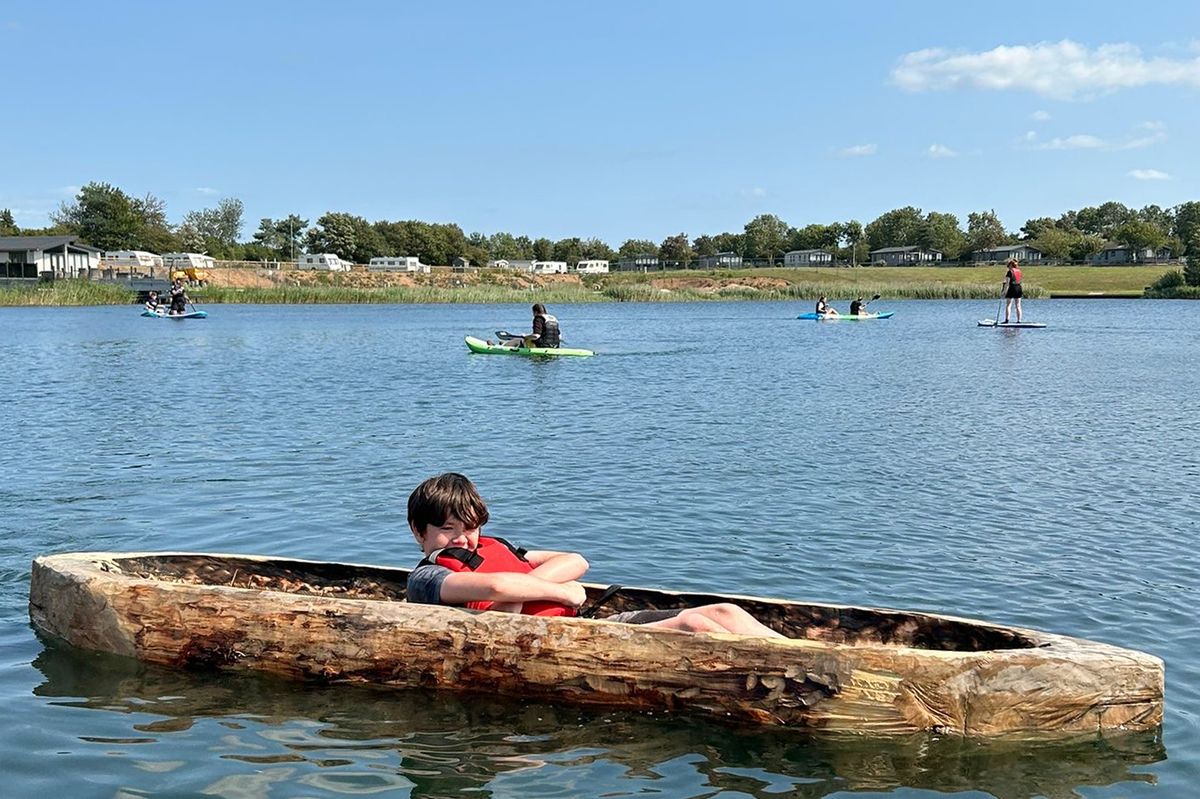
Rewilding Youth prides itself on ‘giving people access to nature’
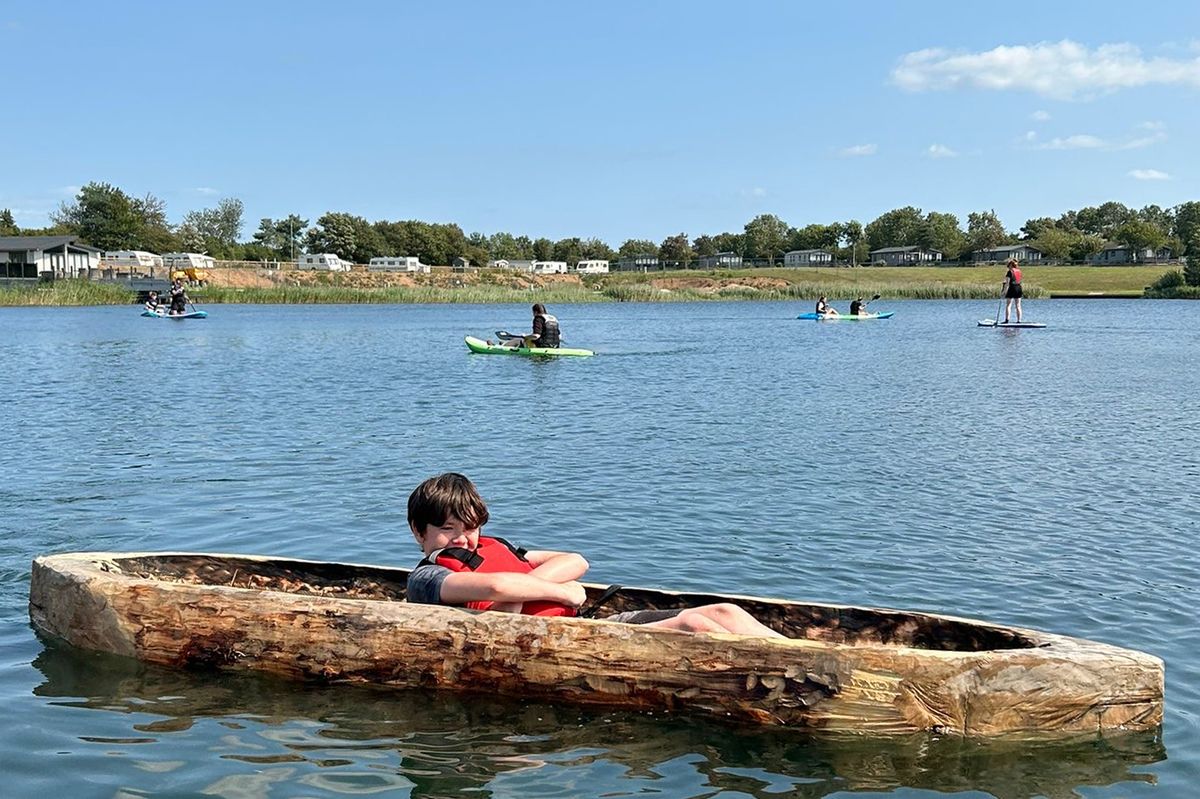
Exploring ‘Blue Spaces’ in the Hull area with Rewilding Youth(Image: Colin Phillips)
In the heart of our urban landscapes, a quiet revolution is taking place. Rewilding Youth, an organisation established over four years ago, is on a mission to bridge the growing gap between young people and the natural world.
By delivering nature-based activities and interventions, they are helping those who often face significant barriers to the outdoors spend meaningful time in local blue and green spaces.
Last year, the group’s impact deepened after they were awarded funding through the Blue Influencers Scheme. This support enabled them to launch a specific project designed to connect 10-to-14-year-olds with the “blue spaces” of the Humber region – its rivers, drains, and historic waterfronts.
Colin Phillips, Lead Youth Environment Education Worker at Rewilding Youth, believes that the key to engagement lies in uncovering the hidden history right under our feet. “We explored Blue spaces in Hull, we explored local urban drains, the river, we went to the museum.
“We went to lots of different places to help young people access these quite overlooked places. Along the way we discovered the region’s ancient dugout boat heritage.
“In the museum there is a Hasholme Boat and the Brigg Logboat was in the Municipal Museum before they were hit in a bombing raid during the war, that was the oldest dugout boat that was found. Most of these dugout boats have been found in the Humber and Lincolnshire region so, while we were exploring these blue spaces, we thought let’s also build our own dugout boat.
“If we want to learn about it, let’s build one. It’s experimental archaeology at its finest, let’s try it in the exact way that our ancestors would have so that’s what we did.”
The process was as much about ancient craft as it was about modern connection. “So we used traditional skills of burning the log out,” Colin said. “We built mini boats first to try out the burning techniques.
“The oldest dugout canoe is the Pesse Canoe found in the Netherlands and that’s 10,000 years old so we have been using these techniques for thousands of years. Through the process we wanted to share the project because it is a really special project and something that hasn’t really been done with young people so we created the zine.
“This is for anyone really, for educators or for people who maybe want to spend more time outdoors. Giving them that confidence to do it in a way that we did it, it was very explorative, it helped the young people discover these spaces through curiosity and interest.
“It was less about learning facts and figures, which we do in traditional environmental knowledge and education, but we wanted something new, we wanted to inspire these young people to spend more time in these places and to learn about them.”
From their base at East Hull Community Farm, the team offers a sanctuary from the digital world. Anna Carter, Media and Communications lead, highlighted the value of the physical environment they have cultivated, which includes a hand-built clay pizza oven, a Roundhouse, and a budding orchard. “Just being outdoors and away from screens is immeasurable,” she said. “The older children’s sessions are a time when they can just be kids too, they’re in a safe space, they’re closed off, you can let your child run off but you know they are here. Again, that’s something that parents have to deal with, they want them to be outside but they are worried.
“We have an Outdoor Kitchen with a clay pizza oven which we built, we have the Roundhouse, we have an outdoor communal area with a fire and big bench where we all eat together. We have a woodwork section and towards the back we planted lots of trees which we hope will become an orchard in the future. We also have a canopy classroom for when the weather’s not too great.”
For the parents of participants, the results are transformative. One mother noted that her daughter, who had previously struggled to find an interest in traditional sports, found her “authentic self” through the project’s blend of creativity and nature. Another parent said: “These types of projects don’t just benefit young people – they help shape them. They’re planting seeds of resilience, creativity, and environmental awareness that will stay with them for life.”
Anna emphasised that, while the skills are impressive, the emotional resonance of the experience is what truly lasts. She said: “It’s the experience of it, it’s not just ‘I learnt to make a wooden canoe using these traditional techniques’, it’s the summer that they had where they made new friends, we took them to the beach, we took them to Dalby Forest, we explored a lot of places closer to home. Hopefully they will remember that as a summer that they just had a really good wonderful experience outside.”
As Rewilding Youth looks to the future, their reach continues to expand through the Rewilding Schools Programme, which aligns outdoor learning with the national curriculum, and the Rewilding Youth Collective, giving young people a direct say in how the organisation is steered. Whether through “Wild Child” sessions for toddlers or upcoming workshops for adults seeking a reprieve from a “fast busy world,” the core mission remains the same. As Colin Phillips puts it: “Our main thing is giving people access to nature, that’s the biggest thing, providing access to local urban and natural areas.”
Are you a Community group or Community space providing services, events or activities for the residents of your area? Contact donna.clifford@reachplc.com