



There is currently no treatment available for the condition in the UK
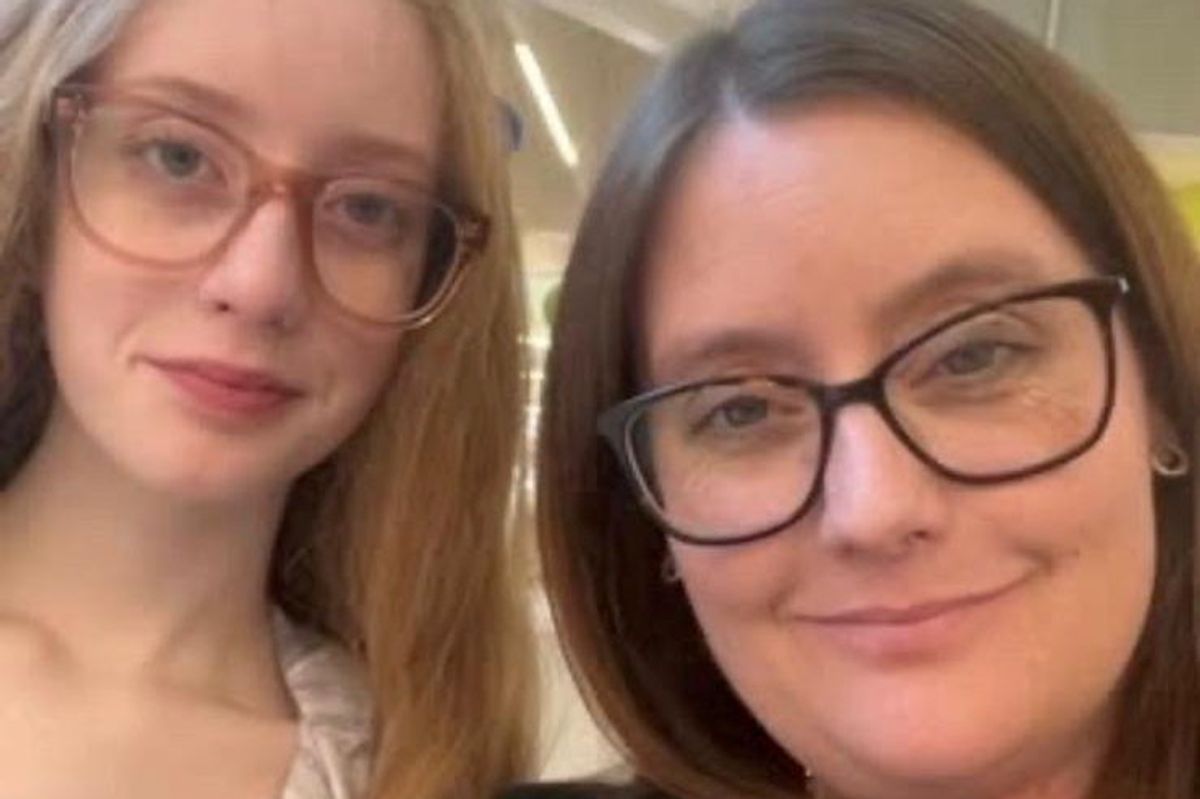
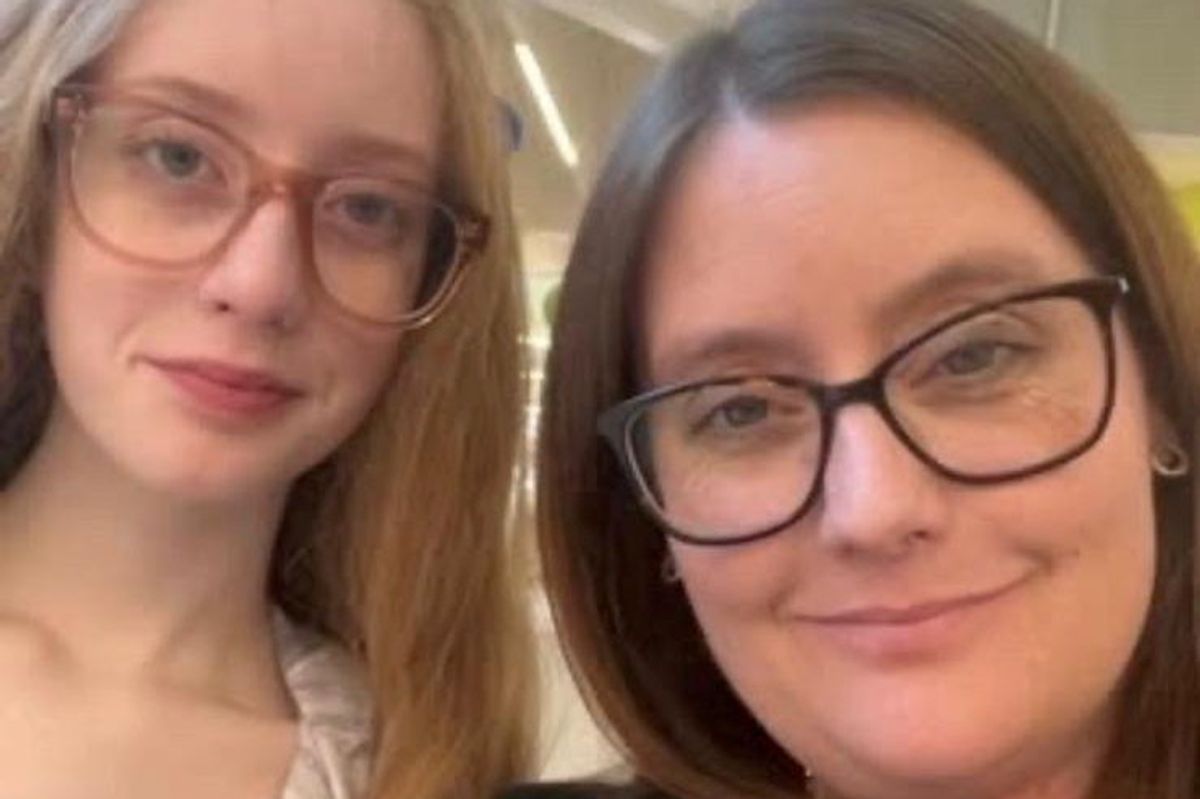
Daisy and Adele Fisher(Image: Adele Fisher/SWNS)
A mum was repeatedly told her exhausted teen daughter was suffering ‘growing pains’ until it was discovered she had a rare and incurable disease. Daisy Fisher, 14, was plagued by unexplained symptoms for months, but her family were left without answers as her condition worsened.
Eventually, they received the devastating news that she has an aggressive neurological disorder that attacks the nerves. Charcot–Marie–Tooth Type 4J (CMT4J) also leads to muscle weakness, chronic pain and reduced mobility, particularly in the hands and feet.
Over time, it is expected to leave Daisy unable to walk and dependent on others for everyday tasks. There is currently no treatment available in the UK.
Mum Adele Fisher, 45, from Barnsley, South Yorkshire, is fundraising for her daughter to take part in a gene therapy trial in the US that experts hope could slow or halt the disease’s progression. She spoke of her frustration at being repeatedly told her daughter’s alarming symptoms were nothing to worry about.
Adele said: “Every time I tried to get her seen, her symptoms were always put down to her age or her hormones. We’d be told it was growing pains.”
While Daisy had regularly been unwell as she grew up, her mum raised concerns as the youngster began fainting, losing feeling in her toes and suffering debilitating exhaustion.
Adele said: “She started to lose quite a lot of weight and some of her mobility in her legs and feet. Then she started to feel like her feet were going numb and she couldn’t feel her toes.
“I knew something wasn’t right. When she stood up, she felt like she was going to faint. There were a lot of things that were raising alarm bells with me.”
After more than a year of pushing for answers, Adele took Daisy to A&E, triggering a referral to neurology. From there, Daisy was subjected to a series of tests, including nerve conduction studies, MRIs, X-rays, neurological examinations and a sleep study.
Adele said the uncertainty took a heavy toll on the family and forced her to give up work in education to care for Daisy full-time. The diagnosis finally came during what the family thought would be a routine hospital appointment.
Adele said: “I was in shock, but I was relieved to know what was happening. Over the years I’ve felt like some sort of neurotic mum with the way people kept saying it was just growing pains. I knew deep down that there was something wrong.”
Adele was told there is currently no treatment available in the UK, but she discovered a specialist research programme in the US investigating the disease. It includes a gene therapy trial that could potentially slow or halt the disease’s progression.
Daisy has since been registered as a patient with a centre in Iowa where a study is set to take place ahead of a planned clinical trial. While no patients have yet been selected, Adele says the outlook is hopeful. In the meantime, Daisy continues to face daily battles with exhaustion and pain.
Her mum said: “The fatigue is the most debilitating thing for Daisy. It doesn’t matter if she sleeps for eight hours or 18 hours, she’ll still be exhausted.
“But she keeps her spirits as high as she can and she’s not a moaner – she doesn’t complain, which is amazing when you think that she’s only 14. She really tries to keep positive. Daisy has a really funny, lovely personality and we still get to see snippets of that.”
The family has launched a fundraising appeal to help cover essential costs like specialist travel insurance, as well as financial support while Adele remains Daisy’s full-time carer.