


Hull Fair is Europe’s biggest travelling funfair and a Yorkshire tradition dating back 739 years. Here’s what it’s like to experience the sensory overload of Hull’s iconic week-long October celebration.
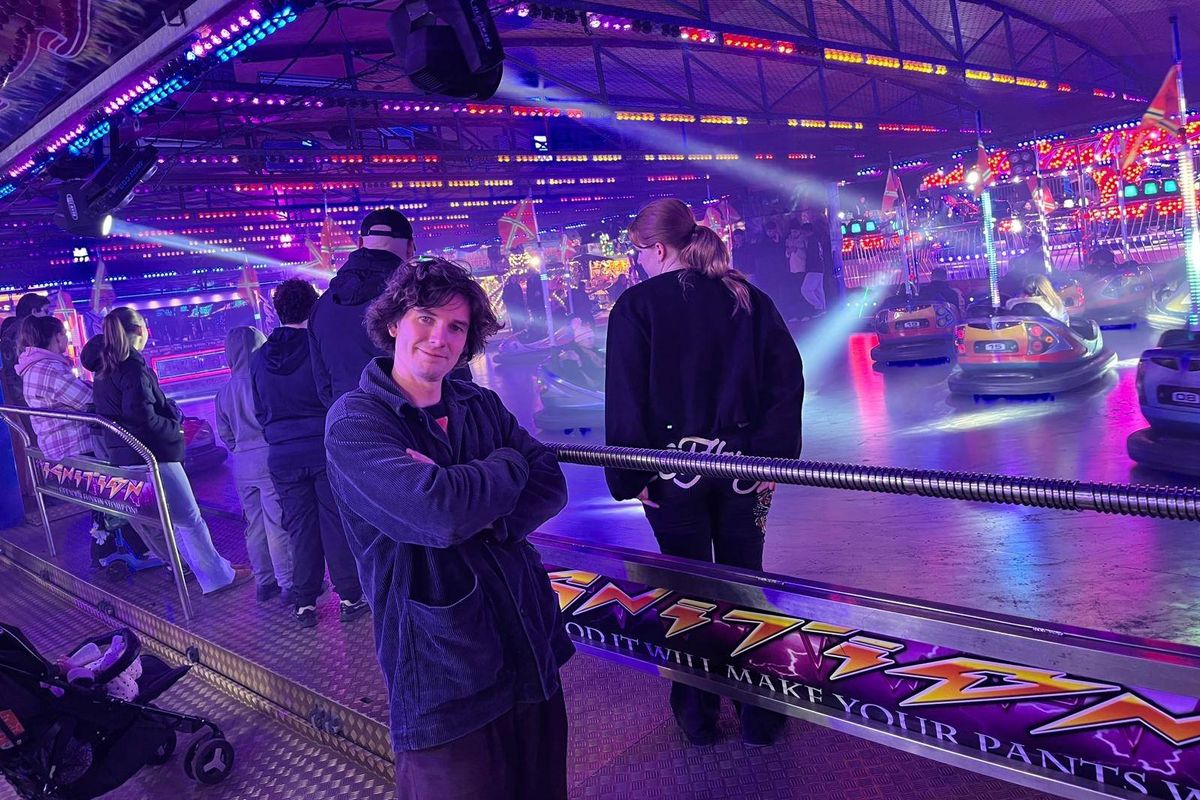
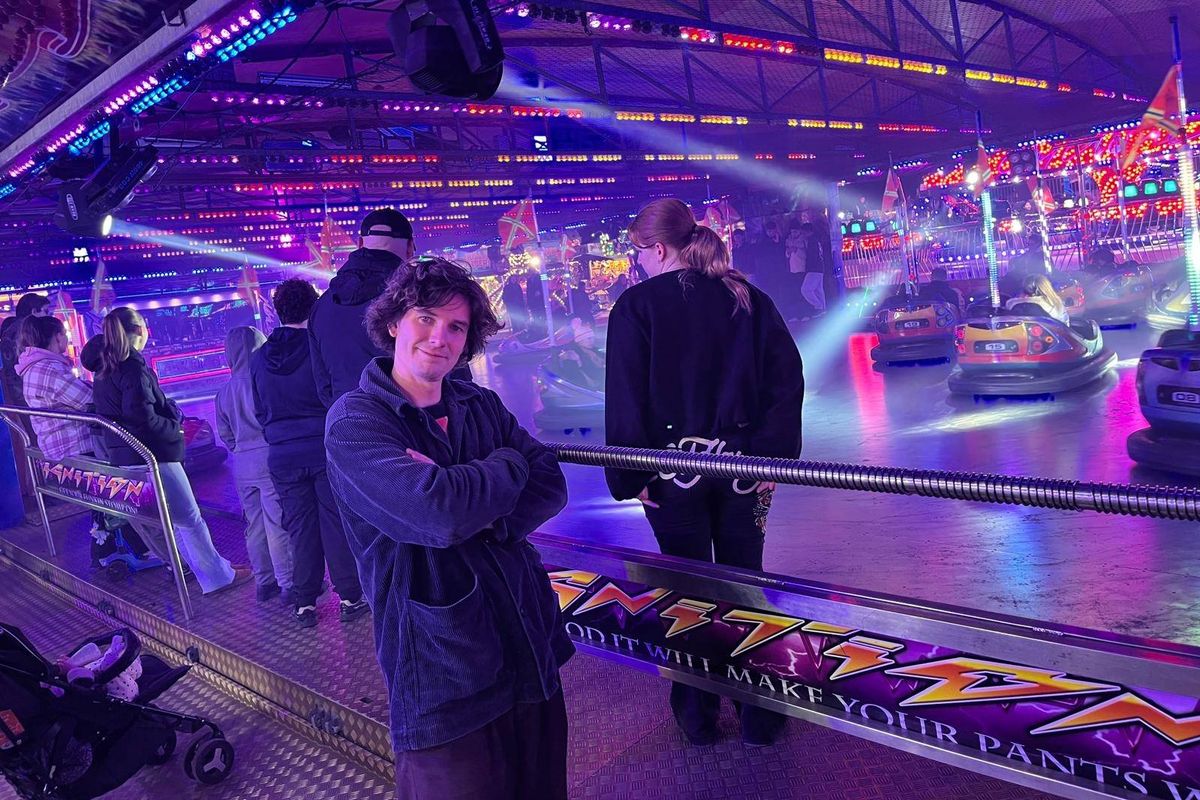
I decided to see what the fuss was all about(Image: Supplied)
“Get your meat on the seat!” the ride operator bellowed through an ear-splitting microphone, in the broadest Yorkshire accent I’d ever encountered.
I obliged, dropping into a waltzer carriage. The trackside DJ cued up a fresh track, launching us into a frenzied 160bpm remix of Mr Brightside as the ride began to rotate.
“Show them no mercy!” the operator instructed his crew, who glided effortlessly up and down the platform’s undulations while spinning the carriages faster and faster. Strobe lights flashed and lasers blazed.
“No mercy! No mercy!”
Three minutes and four face-distorting Gs later, I stumbled off the platform to witness one of the most extraordinary scenes of my life. A woman was being sick beside the ride when her mate, showing no mercy, pulled down her trousers mid-vomit, causing her to tumble to the floor.
This is just a snapshot of Hull Fair : Europe’s largest, possibly finest and undeniably wildest travelling funfair, reports Yorkshire Live.
For one week in October, a vast concrete site near Hull AFC’s MKM Stadium becomes the Glastonbury of funfairs, continuing a tradition stretching back 739 years. It began when King Edward I acquired Hull in 1293 and commissioned an annual six-week fair. Cloth and local produce were the main daytime attractions, with various forms of fighting taking place after dark.
Enshrined in the city charter in 1299, Hull Fair has survived Covid, a six-year hiatus during the Second World War when its site was used for tank training, and an 1873 parliamentary act that closed many of the UK’s traditional fairs due to “grievous immorality”, according to Martin Taylor, city archivist at the Hull History Centre.
These days, questionable morals aren’t what put some people off. “Why would I go there? It’s tacky AF!” a friendly chap in Cherry’s gay karaoke bar remarked to me the evening before.
On arrival, it’s immediately clear why it might be an acquired taste.
The smell of fried onions and Korean corn dogs drifted through the air as I pushed through crowds filling every corner of the site. Stallholders deliver sales pitches so rapidly you barely have time to consider whether you actually want to hook a duck. Meanwhile, overlapping streams of clashing electro music bombard your senses.
From above, it resembles the funfair version of Shanghai — if Shanghai had more Bavarian sausage stands. At ground level, it’s an immersive sensory onslaught. The fair takes five weeks to build and brings together Showmen’s Guild operators from across the country.
At its heart are the waltzers. “You get a lot of pressure with those things. It’s an out-of-body experience that goes with the music,” enthuses Helen Thackeray, the city council’s events and sports ground safety manager.
This year, eight waltzers were vying for the top spot, with MCs boldly proclaiming “we’re number one!” as energetic, dancing promoters enticed punters aboard. It’s both daft and serious: a wild, ear-splitting spectacle of gaudy excess, but also a continuation of the North’s distinctive fairground culture.
Hannah Taylor described her set on the Hell-Blazer waltzers last year as a “bucket list moment”, while international techno DJ I Jordan returned to perform in a setting that first introduced him to the genre. Both grew up close to Wigan Pier, the heartland of donk music, where the genre’s bouncy, percussive ‘boing’ bassline first took hold.
“I grew up in Warrington from a working-class background. When the fair was on, the waltzers had the best music. That’s the music that I grew up listening to, and that I now play,” Hannah explained.
For those not there to donk or be spun around at speed, food is the main attraction. Search ‘Hull Fair’ on Instagram or TikTok and you’ll find a flood of eat-along videos showcasing its latest deep-fried, towering, smashed and skewered creations.
Mindful of suffering the same fate as the woman outside the waltzers, I gave the food a miss. One curious feature of the fair is how close it comes to people’s homes: the hundred-layer deep-fried lasagne stall stood just three metres from somebody’s front door.
“They love it! They’ll be at the Fair,” Helen assures me when I point out that the houses look empty, with their lights switched off.
Whether or not the residents are joining in, the fair doesn’t appear to be the chaotic, family-hostile environment some critics suggest. “It’s a dry fair, which makes the atmosphere so much better,” Helen said.
“Our crime rates are virtually zero, and we have 600,000 people come through.”
It’s easy to see why so many people visit. The fair ranks among the most spectacular things I’ve ever witnessed, and it really must be seen to be believed.
A century ago, visitors came to see monkeys dressed in clothing and ‘the world’s largest brother and sister’. Today, only Nottingham Goose Fair is in the same league when it comes to delivering this intense, pulsating, diesel-powered experience.
No mercy!
Do you have a travel story to share? Email webtravel@reachplc.com.