


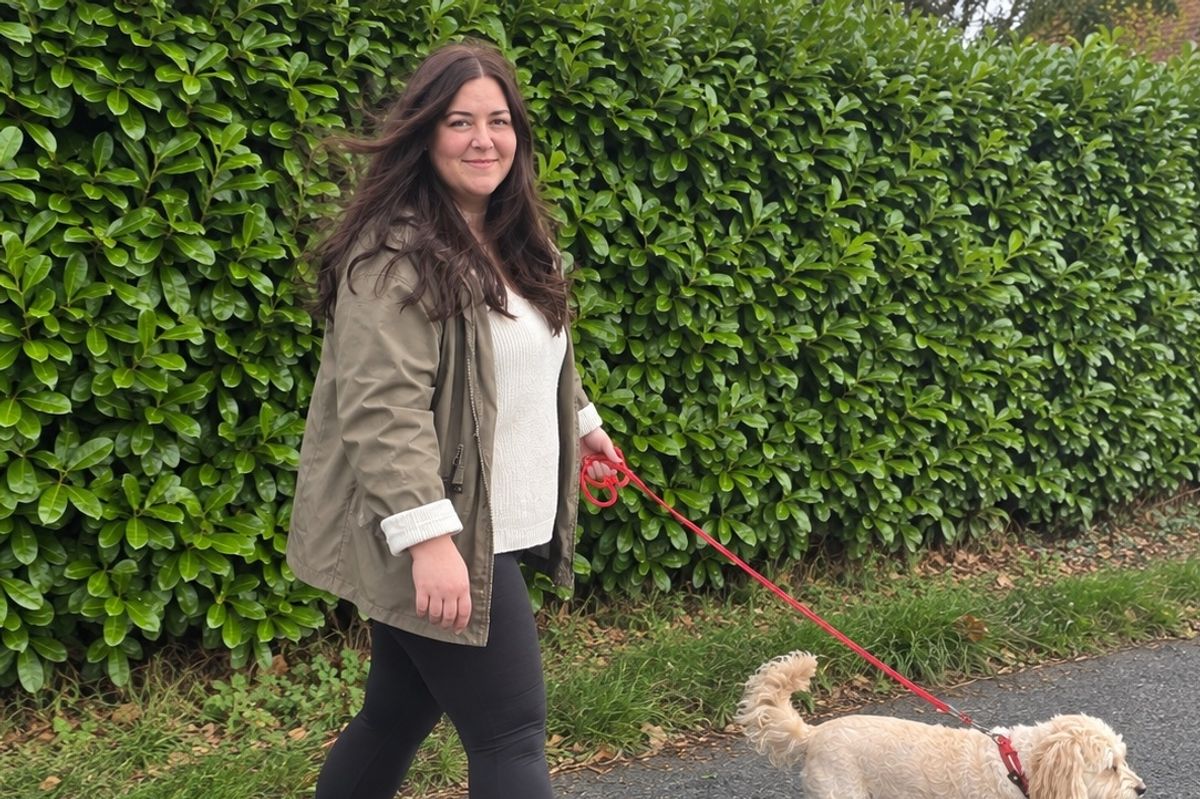
Kathryn has bravely shared her story, saying ‘don’t be afraid to fight for your quality of life’
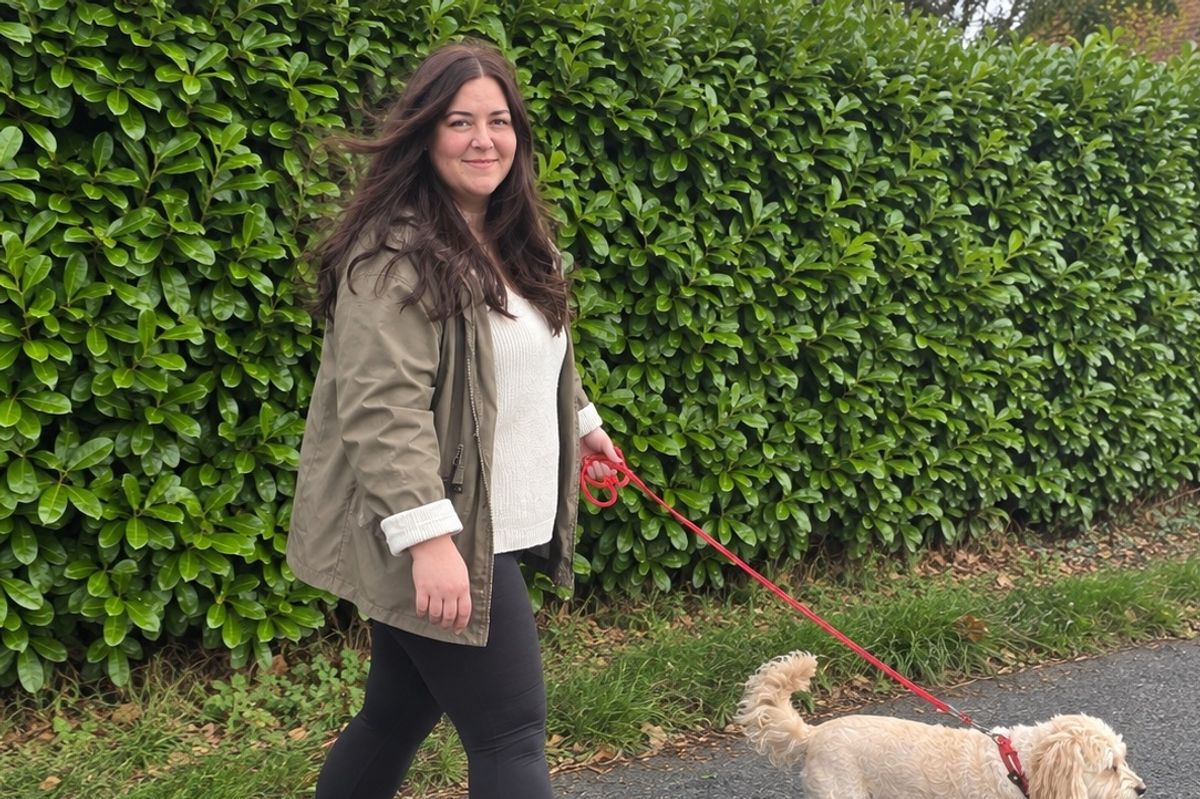
Kathryn hopes to continue advocating for younger people navigating hip dysplasia and joint replacement(Image: Supplied)
A healthcare worker who endured years of debilitating joint pain before undergoing major surgery in her thirties is urging other young adults not to suffer in silence. Kathryn Jones, 32, who lives in Hull, spent her childhood dancing, tumbling, and playing every available sport. She grew up believing her high level of flexibility was an asset, only to realise years later that it was an early sign of hip dysplasia and hypermobility.
Her health journey began nearly a decade ago with persistent hip pain initially diagnosed as bursitis – a condition where fluid-filled cushions in the joint become inflamed. Despite years of unsuccessful treatments and worsening symptoms, a later assessment revealed she was living with both a labral tear and hip dysplasia, where the hip joint fails to develop properly.
Kathryn admitted the news came as a bit of a shock. She said: “I wasn’t expecting that. The tear I was expecting, but not the dysplasia.”
As the pain intensified, Kathryn’s quality of life shrank dramatically. Everyday tasks, from weekly food shopping to socialising with friends, became increasingly difficult. At work, simply walking between departments required meticulous planning to minimise discomfort. Multiple attempts to preserve the joint through surgeries and steroid injections brought no lasting relief.
At the same time, Kathryn believed – like many others – that hip replacements are “too big” a step for someone her age. But as she began seeking out personal blogs and connecting with other patients online, she discovered that an increasing number of young people were undergoing successful joint replacements.
The realisation prompted her to go ahead with the procedure despite her age. She added: “It wasn’t important to me to wait until I was 45 or 50. Even the thought of having to wait another ten years until I was in my forties to have the surgery was soul destroying. Just because you’re young doesn’t mean you are not entitled to have this treatment.”
The long-term discomfort had also taken a significant psychological toll by this point. She said: “I didn’t feel mentally like I was in a very good place. I think it became very noticeable to me how much the pain was affecting me mentally, I knew I was rather grumpy.”
Within days of surgery, the deep, grinding pain she had endured for years was gone. She added: “I started to feel immediately happier and smiley again, and I forgot I had been like this before the pain had crept in and that I’m not actually meant to have pain!”
Since the operation, Kathryn has regained her independence, reconnected with friends, and returned to everyday activities such as longer walks, shopping, and spending time with family. She is now planning a holiday abroad to enjoy some sunshine.
Her lived experience also changed her perspective on healthcare. Kathryn said: “I thought I could put myself in the shoes of chronic pain patients, but I didn’t truly understand it until I lived it.”
Having previously worked in operating theatres, Kathryn had prior knowledge of surgical pathways. However, she said joining the National Joint Registry (NJR) Patient Network opened her eyes to the wealth of information available to the public.
She said: “A lot of the knowledge I thought was only accessible to people working in the surgical field, but actually you can find the exact same information through the NJR website!” Through the network, she now supports others navigating similar challenges, drawing comfort from shared experiences.
She said: “It’s very comforting to be able to hear other’s stories, not everyone goes through the same journey but usually when you talk to someone there are elements where you think ‘actually that happened to me!’ It can feel very lonely sometimes, so having the opportunity to talk to other people that really do understand it really does make a difference.”
Looking to the future, Kathryn hopes to continue advocating for younger patients facing joint replacement and dismantling outdated assumptions about implant longevity. She shared: “If you feel joint surgery is the right decision, push for it. People wrongly assume that you’re going to need surgery revised in ten years time and potentially need multiple surgeries, but an implant could last you 20-30 years!”
Reflecting on her journey, her advice to others is: “Do your research. Advocate for yourself. Don’t be afraid to fight for your quality of life and if I could go back in time to make the decision again, I absolutely would 100%.”