


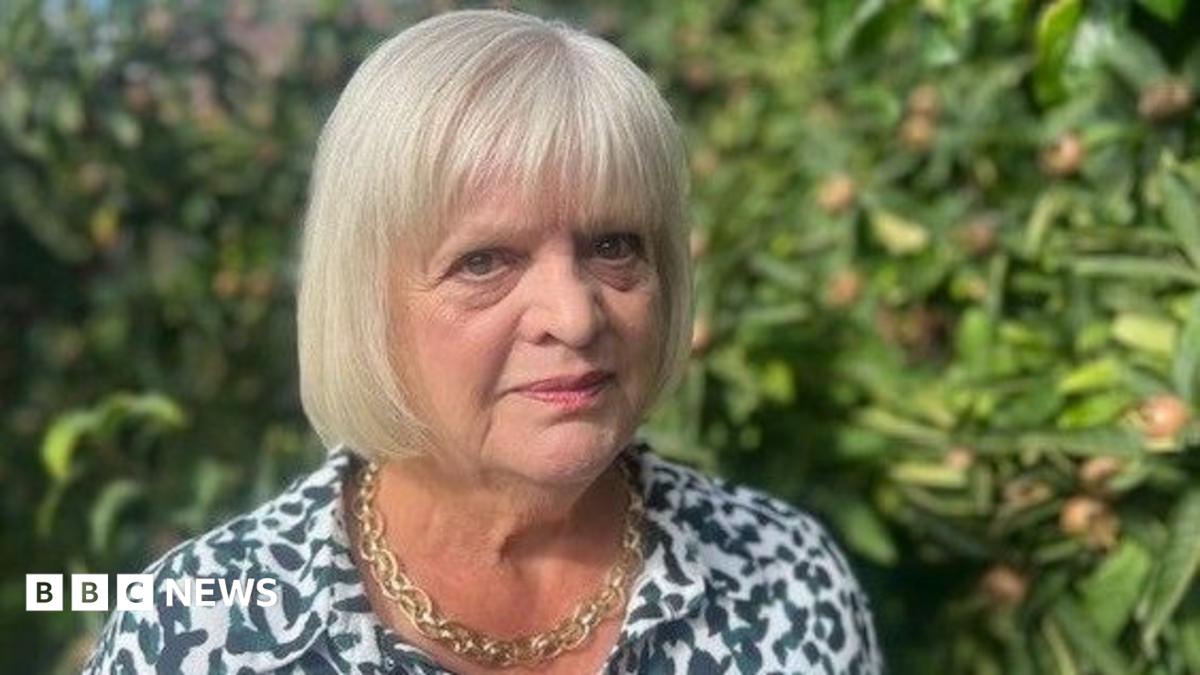
Andy Bell, a Butcher at Rose Cottage Butchers in Beverley, said he sometimes suffered problems with the mobile payment process for customers.
“They’ll try to pay with a mobile phone and they can’t get a signal. So they’ll have to get a card out and pay by card,” he said.
“All I know is, as soon as I walk out of this shop, I can’t make a phone call.”
Gareth Elliot, the director of policy and communications at Mobile UK, which is the representative body for the three main mobile operators, said mobile coverage should be prioritised by government and local authorities as “critical national infrastructure”.
“In some places, especially in rural areas where it is less economic, we want to work with the government to look at where the public investment is needed,” he added.
Ofcom, the communications regulator, said mobile networks had made “real progress” on coverage, “but the quality of people’s experience isn’t consistently good enough”.
A spokesperson said Ofcom was “making more airwaves available to boost reception, holding mobile operators to account for meeting their legal commitments, and helping people make informed choices through our Map Your Mobile tool”.
The watchdog was also calling “a joined-up national effort” between the industry, authorities, developers and major landlords to help improve mobile service.
The government spokesperson said people should be able to rely on fast, high-quality mobile coverage wherever they lived, adding: “That’s why we are working with industry to deliver our ambition for higher-quality, standalone 5G coverage across all populated areas of the UK by 2030.”
Listen to highlights from Hull and East Yorkshire on BBC Sounds, watch the latest episode of Look North.