


‘Devolving funding will not by itself devolve power to communities’
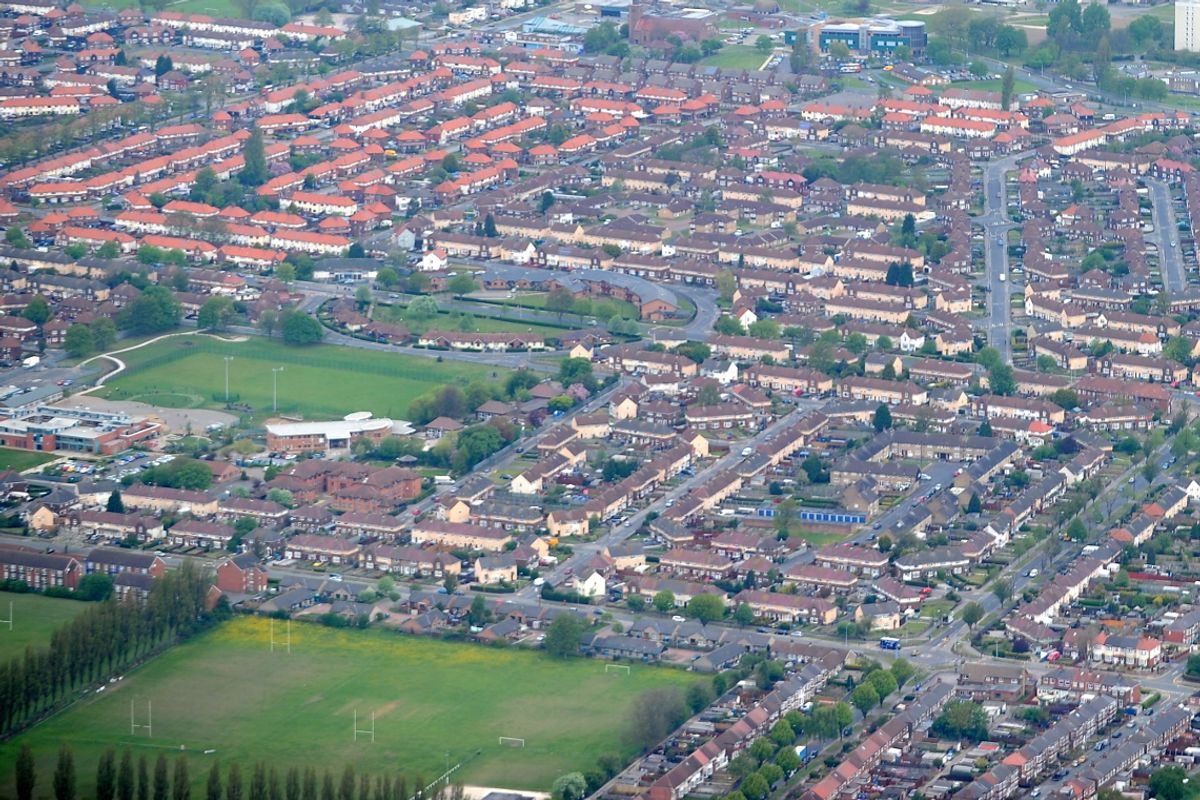
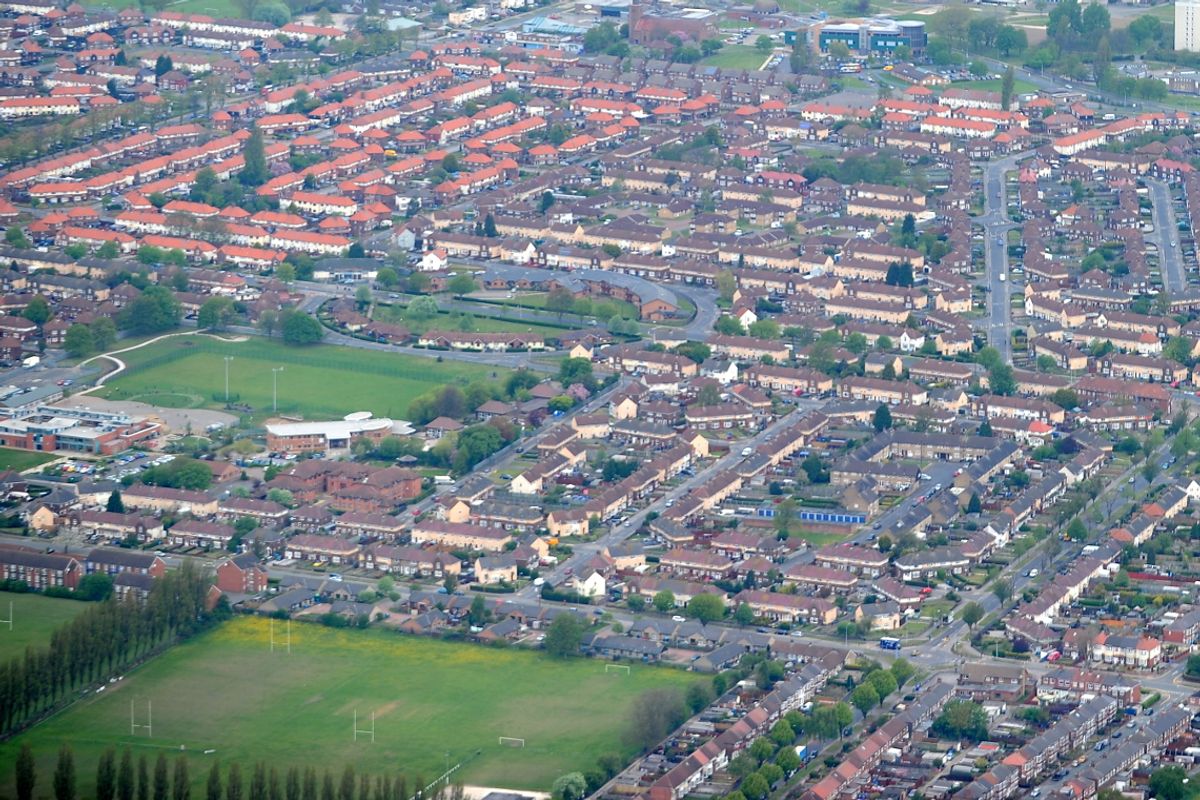
Three areas in Hull are part of the Pride In Place programme(Image: pharbour)
A new study has identified early challenges facing the government’s ten-year Pride in Place programme, which is funding a series of projects in three locations around Hull. The research has been discussed in Westminster and calls for local people to be more involved in how money is spent.
The Government’s Pride in Place programme could mark an important turning point in English place policy in cities like Hull, the report claims. But it states devolving funding will not by itself devolve power to communities.
The ‘Whose neighbourhood? Early challenges in delivering Pride in Place’ report was launched at Parliament in London earlier this month and examines the early implementation of one of the most ambitious experiments in neighbourhood-level devolution ever undertaken in England.
In Hull, it is giving communities control of £20 million over the next ten years. The programme allows communities to spend their funding on ‘projects that matter most to them and in a way that works for them’.
Pride in Place aims to put local people at the heart of decision-making, with residents having their say on the future of their neighbourhood. Policymakers hope it takes a fresh approach to empowering people to build the skills and confidence they need to deliver change in their communities.
‘Devolved funding is not the same as devolved power’
The study warns that success will depend on whether communities ‘acquire the capacity to exercise meaningful choice’ and whether councils, MPs and other established decisionmakers truly let local people make their own decisions. Its central conclusion is that devolved funding is not the same as devolved power.
The report was produced by the Key Cities Innovation Network with the University of Plymouth’s Centre for Place. It argues that Pride in Place represents a potentially important next step as the process of devolution marches forward in places like Hull.
Vince Maple, Chair of Key Cities, said: “Pride in Place is a huge opportunity for communities that have too often experienced regeneration as something done to them rather than shaped by them. The ten-year commitment gives us the chance to do something fundamentally different.
“But putting money into a neighbourhood is not the same as putting power into the hands of the people who live there. Councils and MPs have an important role in getting the programme established, but our success should ultimately be measured by whether communities themselves acquire greater agency over the future of their places.”
A £20-million investment in Hull
The Pride in Place programme in Hull is focused on Orchard Park, Greatfield, and Boulevard & St Andrew’s Quay. The three areas will collectively receive up to £20 million of investment over the next decade to support neighbourhood-led change.
All three areas in Hull are being led by a neighbourhood board, made up of residents, local businesses, community leaders and political representatives. The scheme has to be resident-led, to ensure any future schemes are representative of the area they serve.
Did you know you can make Hull Live a preferred source of Hull news in Google, which will mean you get more of our breaking news, exclusives, and must-read stories straight away? Here’s more information about what this means and how to do it – you can also do it straight away by clicking here.
Cllr Mike Ross, Leader of Hull City Council, welcomed the findings of this report and said it raised important conversations about what genuine community empowerment looks like in practice in Hull.
He explained: “While investment is vital, lasting success will depend on residents having a genuine voice in shaping the future of their communities, as the report highlights. By appointing independent chairs for each neighbourhood to represent residents’ voices and champion local priorities, we are helping to ensure communities are at the heart of decision-making.
“Our focus is on building on the strengths, skills and community networks that already exist within these neighbourhoods, and ensuring that Pride in Place leaves a lasting legacy of stronger community leadership, greater resilience and improved opportunities for residents.”
Supporting neighbourhoods to make decisions
Rebecca Long-Bailey, MP for Salford and chair of the All-Party Parliamentary Group on Key Cities, said the programme offered a real opportunity to change the relationship between communities and the decisions that shape their lives.
“We know from previous regeneration programmes that consultation alone is not empowerment. Genuine community power requires capacity, confidence and trusted local relationships, as well as institutions prepared to listen and sometimes to step back,” she said.
“The challenge now is to make sure that every neighbourhood – including those starting with the weakest social infrastructure – has the support it needs to take advantage of this opportunity. Otherwise there is a danger that the places most in need of empowerment are the least equipped to exercise it.”
Initial plans reflecting the priorities identified by communities in Hull must be submitted to the government later this year and the delivery of projects will begin in 2027.
To find planning applications, traffic diversions, road layout changes, alcohol licence applications and more, visit the Public Notices Portal.