


He and an accomplice then went on to falsely obtain a further £56,000 loan from a private finance company
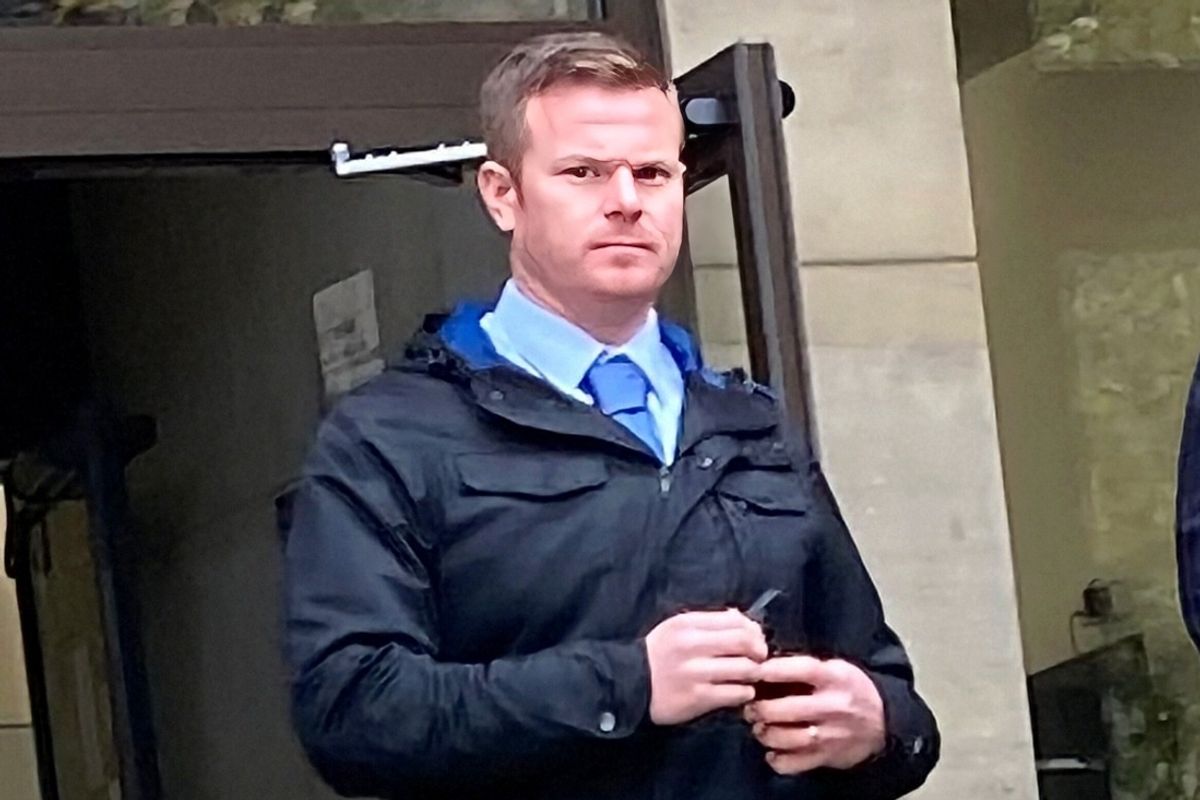
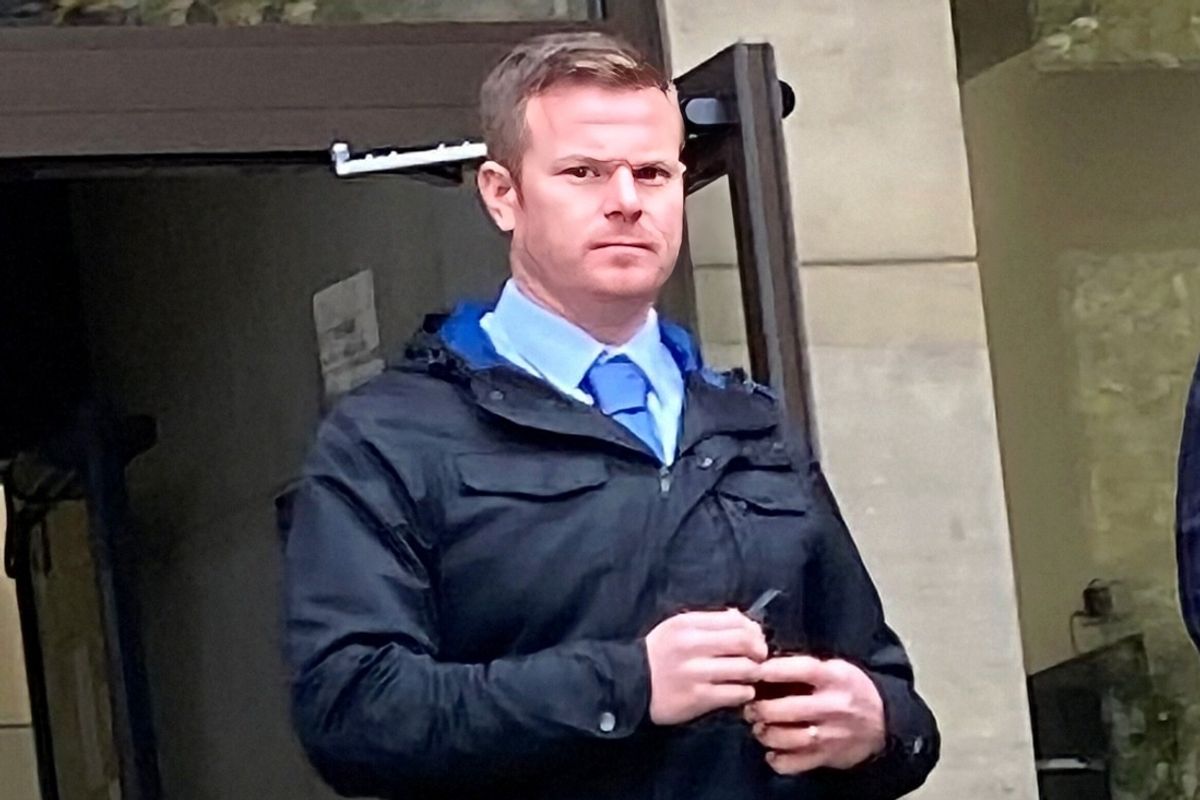
Alex Hope appeared at Hull Crown Court(Image: Hull Live)
A businessman defrauded the Government by falsely obtaining a loan during the Covid pandemic to fund a property development in Lanzarote, a court heard. The prosecution claimed: “It was a national emergency ruthlessly exploited.”
Alex Hope, 41, of Elm Tree, Halsham, a village in Holderness, East Yorkshire, and Liam Jones, 42, of Edinburgh Drive, Holton-le-Clay, both admitted their roles in obtaining money by giving false information. Both were disqualified from being directors of businesses.
Hope admitted fraud by obtaining £25,000 from the Government’s Bounce Back Scheme during the 2020 Covid pandemic by false representation. He and Jones admitted obtaining a loan from a private finance company by false representation and failing to disclose that their firm was going through litigation.
Hope also admitted money laundering by using the money to develop a property in Lanzarote and a further charge of failing to disclose in his bankruptcy notice that he had shares in his previous company.
Tayo Dasaolu, prosecuting, told Hull Crown Court that the Government set up the Bounce Back Scheme in 2020 in the wake of the Covid-19 pandemic to give struggling businesses financial support so they could survive the impact of the downturn in trade as a result of the pandemic. But it required applicants to be honest about their business arrangements and to use the money for the purposes of funding their businesses.
Loans of up to £50,000 were made available. However, Hope was not truthful about the turnover of his firm.
He said that it had a turnover of £100,000. That enabled him to receive £25,000 in a loan in May 2020.
But in fact his business had a turnover of only £13,000. Hope failed to use it for his business.
Investigators found hand-written notes at his home showing that he had transferred the money to buy a property in Lanzarote. Both men later obtained a loan from a private finance company seeking £56,000 in March 2021.
They said that there had been no threat of any proceedings of litigation against their firm, Virtutum Ltd, which provided medicinal oils. But they were being pursued by a litigation firm for the sum of £800,000.
Money obtained from loans was then laundered by being transferred into a joint account owned by Hope and his wife for the purchase of the Lanzarote property. In March 2022, when Hope declared himself bankrupt, he failed to disclose that he had shares in a previous company that he ran.
“It was a planned course of conduct,” said Miss Dasaolu. Hope had shares in Aspen Homes Ltd, which had not been declared when he filed for bankruptcy.
Derek Duffy, mitigating for Hope, said: “It is an unusual case, with some complexities.” Hope’s difficulties dated back to a previous firm for which he was a director.
A fellow director had taken £500,000 from the firm and it collapsed. Liquidators had taken money from Hope and the business was sold.
A settlement agreement had been lost and he was ordered to pay back a substantial amount of money in November 2021.
Hope was in the process of paying back loans. “He did not run away with it,” said Mr Duffy. “He was overtaken by the judgement against him.”
After being declared bankrupt, he now worked as a consultant for his wife’s firm, DM East Ltd, of Hull, which employed four others. If Hope was unable to work for the firm, it would fail and the family would not be able to pay the £1,700 monthly mortgage.
Emma Handley, representing Jones, submitted references on his behalf and these described his character as “loyal, kind and caring.” Hope was the firm’s finance director and Jones was the “ideas man”.
“This offence was isolated,” said Miss Handley. “It was a successful company. He was assigned as a personal guarantee.
“He did not understand litigation. He now has a conviction for being dishonest.”
Recorder Shufqat Khan said: “The Bounce Back Scheme funding aimed to preserve jobs. The scheme relied heavily upon trust and there was no affordability for checks.”
Hope had taken the loan from HSBC as part of the scheme and the loan was used as part of a payment for a property in Lanzarote. Both defendants had been “false” when they sought a loan and said there was no threat of litigation as they had been pursued by specialists since 2019 in a claim totalling £800,000.
Recorder Khan said that the money laundering offence was committed when Hope transferred money for the Lanzarote property in March 2021.
Hope was given a three-year suspended prison sentence and 250 hours’ unpaid work. He was disqualified him from being a director for eight years.
Jones was given a 10-month suspended prison sentence and 100 hours’ unpaid work. He was banned from being a director for two years.
Following the hearing, Mark Stephens, Chief Investigator at the Insolvency Service, said: “Alex Hope deliberately lied about his company’s turnover to secure a Covid loan meant to help businesses survive the pandemic.
“He then laundered the proceeds of both fraudulent loans through a string of bank accounts, using the money to help buy a property abroad. Hope and Liam Jones also lied about a legal case against them to fraudulently secure that second loan.
“The Insolvency Service remains committed to holding those who exploit loan schemes and financial systems for personal gain to account.”
The Insolvency Service is seeking to recover the fraudulently obtained funds under the Proceeds of Crime Act 2002.
Did you know you can make Hull Live a preferred source of Hull news in Google, which will mean you get more of our breaking news, exclusives, and must-read stories straight away? Here’s more information about what this means and how to do it – you can also do it straight away by clicking here .