


Dr Michael Aldous, business historian at Queen’s University, Belfast, said leading a major utility company was a complex role, with chief executives responsible for both long-term strategy and the day-to-day running of the business.
He said CEOs had to balance commercial performance, customer service, environmental responsibilities and regulatory requirements, while making major investment decisions that can take decades to deliver results.
Often, he said, CEOs are no longer in post by the time improvements start to materialise.
“It’s like thinking about politicians working on short-term electoral cycles,” he said.
“They’re operating in an environment where they have relatively short periods of time and a lot of pressure on them to improve short-term outcomes.”
Aldous, who grew up in Bradford and co-authored The CEO: The Rise and Fall of Britain’s Captains of Industry, said an extra payment made during a difficult year may reflect the board’s desire to retain Shaw.
“They believe that although there are performance issues and difficulties, she is actually doing a good job to address this and they believe in her strategic plan,” he said.
“But clearly that’s going to create a narrative that is problematic when it’s presented publicly.”
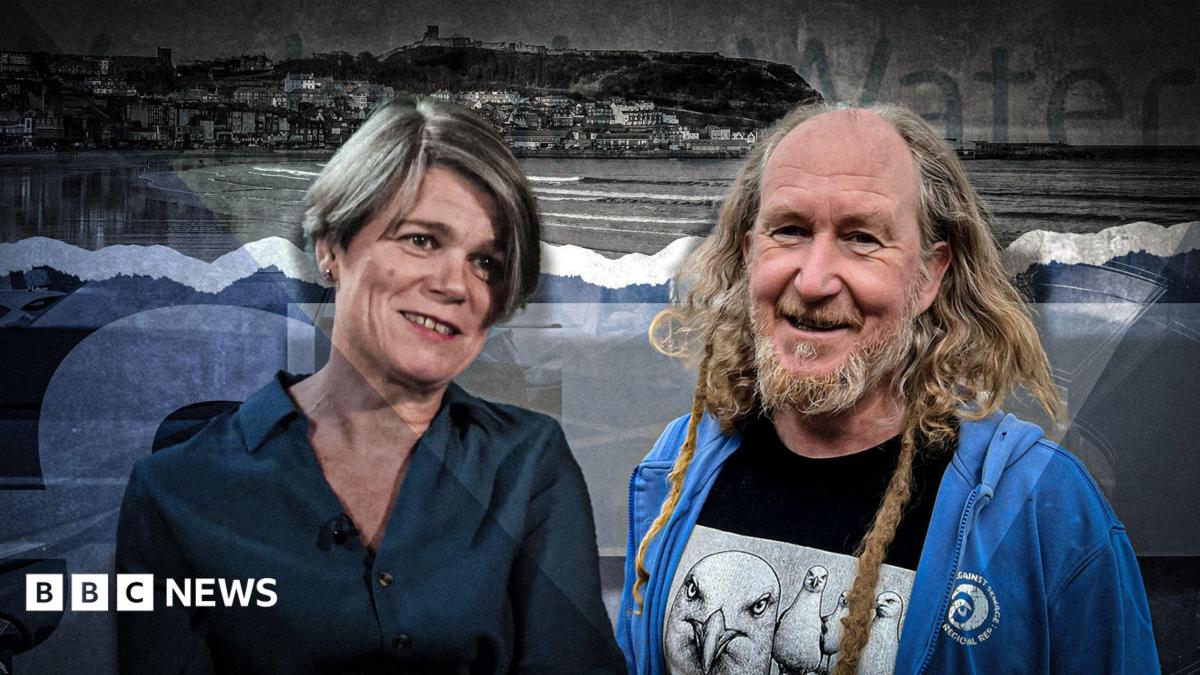
For people like Crawford, the thought that Shaw was “doing a good job” was of little comfort.
“If Nicola would like my bank details, I’ll take a few percent so I can continue to pay my bills [due to] being unemployed because of her company’s lack of ability to do stuff,” he said.
“1% would probably do me for a little while, to be honest.”