


Department for Work and Pensions urged to make change to qualification for Personal Independence Payments
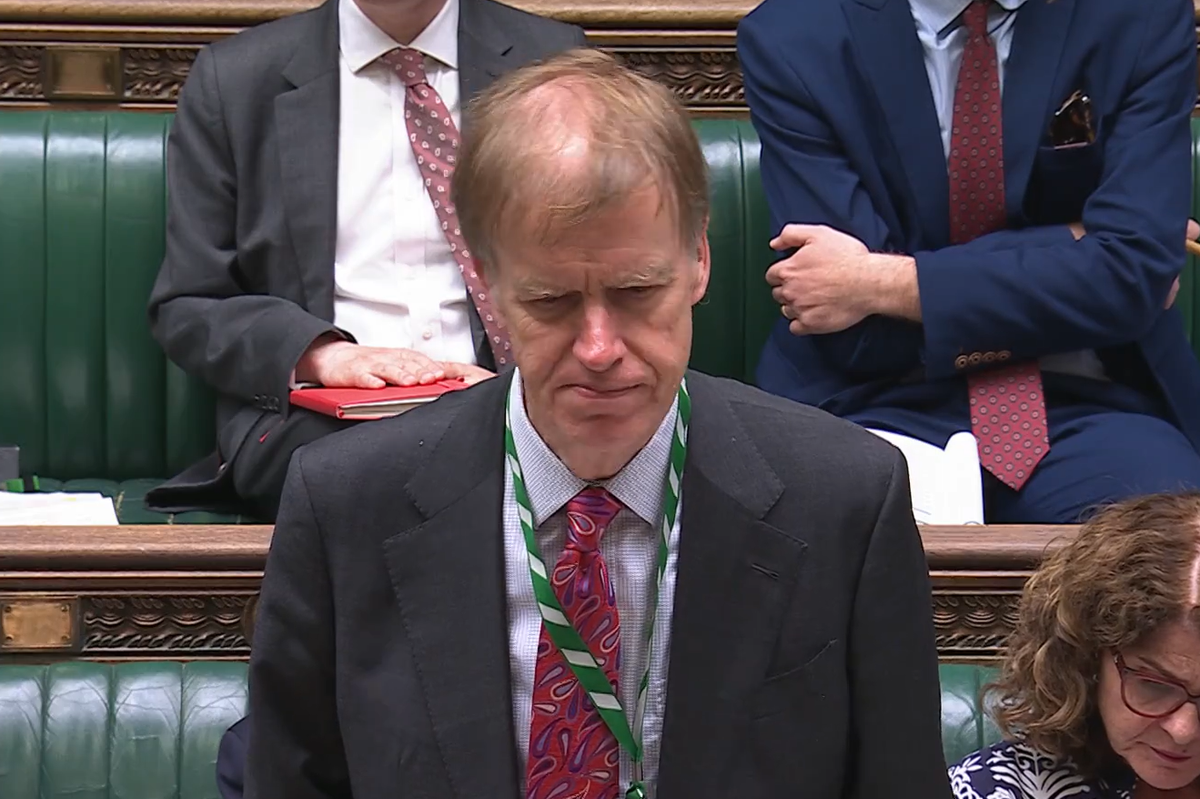
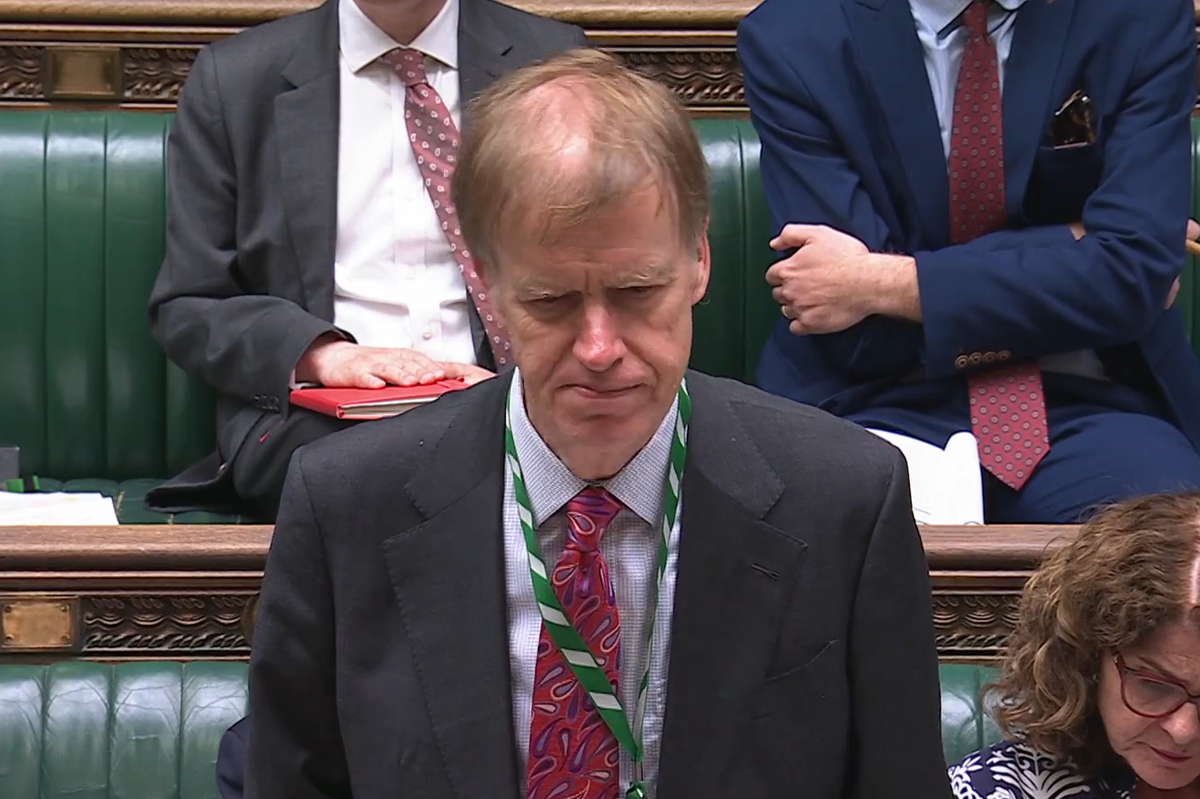
Sir Stephen Timms Minister of State for Social Security and Disability has given a new response on calls for a change to PIPs(Image: Parliament TV)
The Department for Work and Pensions has issued a new statement on eligibility for people with a condition for Personal Independence Payments. PIP is a tax-free, non-means-tested welfare benefit for working-age adults designed to help with the extra living and mobility costs associated with a long-term physical or mental health condition or disability. It is paid every 4 weeks and is tax-free.
In a new parliamentary written question Liberal Democrat Jess Brown-Fuller asked the Secretary of State for Work and Pensions Pat McFadden: ““hether he is considering additional support for individuals with Type 1 Diabetes through Personal Independence Payment.”
Sir Stephen Timms Minister of State for Social Security and Disability said PIP s target people based on their ability to lead normal lives – rather than on specific conditions. He said: “Personal Independent Payment (PIP) is a non-means test benefit intended to help with extra costs arising from long-term health conditions or disabilities. It is not awarded based on a diagnosis, instead, entitlement is determined by the functional impact a person’s condition has on their daily lives and is assessed on a case-by-case basis, taking into account the severity of the condition and how it affects the claimant’s day to day life.
“People with Type 1 Diabetes may be eligible for PIP where their condition results in functional limitations that meet the entitlement criteria. At present, there are no specific plans to introduce additional PIP support solely for individuals with Type 1 Diabetes.
“To ensure PIP is fair and fit for the future, the Government has launched the Timms Review. The Timms Review aims to ensure we have a system that supports disabled people to achieve better health, higher living standards and greater independence, including through employment. The Review is being co-produced with disabled people, the organisations that represent them, and other experts. This means the Government will share ownership and responsibility for how the Review runs and what it recommends. The Review will report to the Secretary of State for Work and Pensions by autumn 2026.”
It comes as a campaign is growing for condition Type 1 Diabetes to qualify for the payments. Payments range from £121.20 to £778.40 per 4-week period, depending on how your condition affects the person’s daily living and mobility needs. However, a petition on the Parliament website which aims to put pressure on Work and Pensions secretary Pat McFadden, says Type 1 Diabetes is a debilitating condition ‘ 24 hours a day’ and is unfairly excluded from PIP.
The push has reached 16,457 signups and now the DWP has responded with a statement. The petition, created by Emily Jones says: “Amend standards for PIP to clearly include type 1 diabetics. Type 1 diabetics do not usually qualify for PIP despite dealing with a dangerous condition 24 hours a day. We believe there is a general lack of understanding and education of Type 1 Diabetes which may affect PIP assessments.
“Managing Type 1 Diabetes is a relentless, 24-hour responsibility that requires frequent blood glucose monitoring, insulin adjustments, and careful planning around food, activity, and stress. When combined with the pressures of full-time employment, this can lead to significant physical exhaustion and mental burnout. We believe allowing more type 1 diabetics to receive PIP would provide financial support for helpful technology not provided by the NHS and support individuals to reduce working hours due to the demands of managing the condition.”
The DWP in its response said that PIPs were assessed out based on physical capabilities rather than specific conditions. It said: “People can be impacted by health conditions in different ways, so PIP uses a functional assessment to measure the impact of a person’s health condition or impairment on their day-to-day life rather than focusing solely on the health condition or impairment itself.
“The assessment looks at an individual’s ability to carry out a series of key everyday activities which are fundamental to living an independent life, such as their ability to prepare, cook and eat food, dress and undress, make budgeting decisions, manage and monitor their health condition, engage with other people, and plan and follow journeys.
“The PIP assessment criteria were developed in collaboration with independent specialists in health, social care & disability, including disabled people, to ensure they accurately assess an individual’s needs. Health conditions may be physical, sensory, mental, intellectual or cognitive, or any combination of these, and the assessment was designed to take a comprehensive approach to disability, reflecting the needs arising from the full range of conditions. The activities within the assessment consider not only the physical barriers to completion of those activities, but whether someone needs prompting or supervision to do them.”
If the petition gets to more than 100,000 signatures it will be considered for a Parliamentary debate, which means the DWP will be forced to defend its posiion and it will put more pressure on for change. To view the full DWP response and support the petition click here.