


It is hoped the objects can be displayed for the public to see
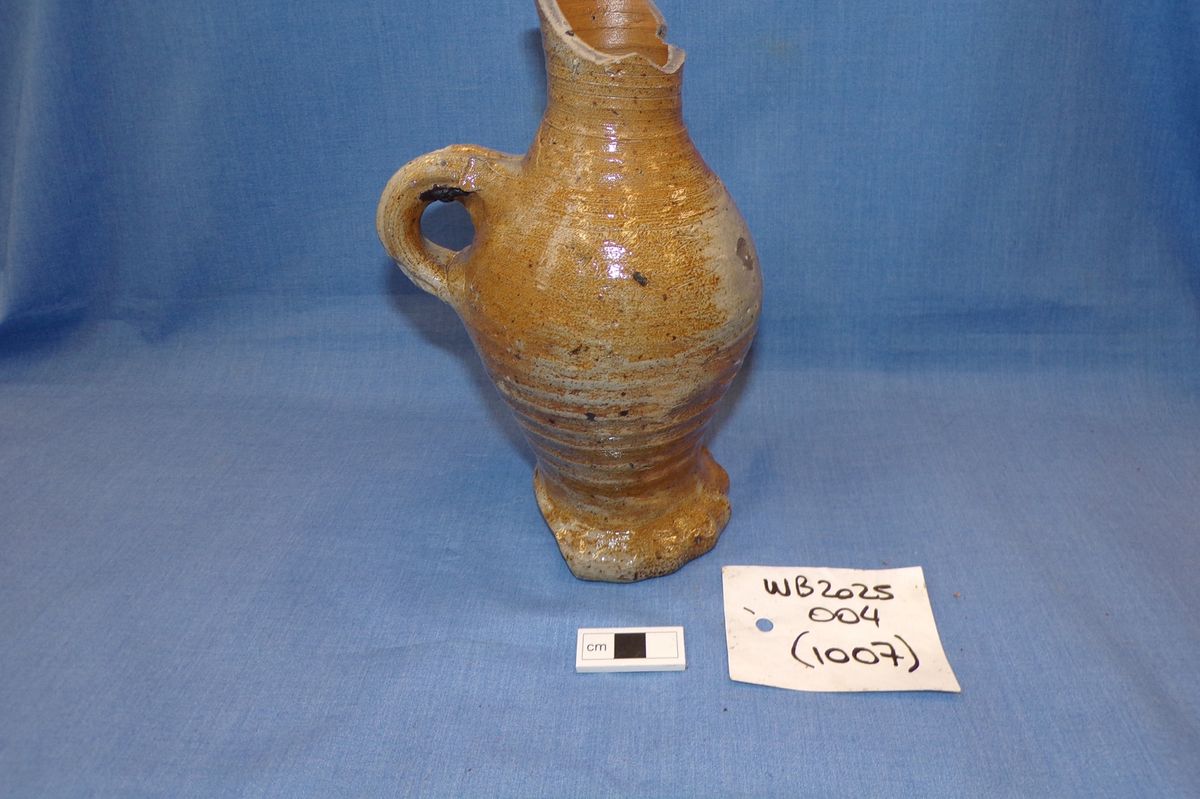
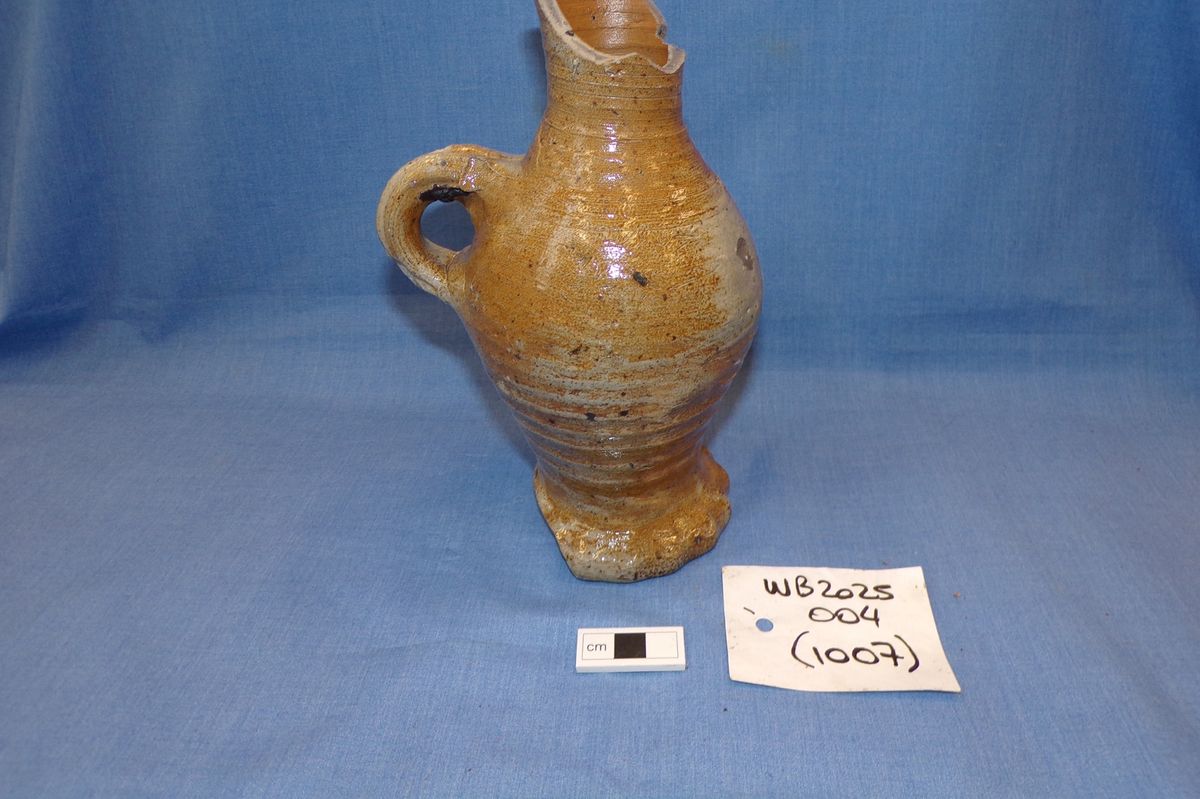
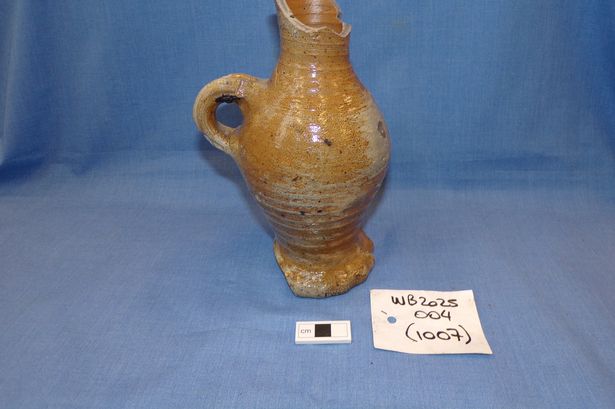
An imported German stoneware jug, approximately 500-years-old.(Image: Vital Energi)
Fascinating historical objects up to 700 years old have been discovered by workers digging up Hull’s city streets. Excavation work for the Hull District Heat Network has unearthed a range of discoveries that paint a picture of the city’s past.
As part of the ongoing effort to lay the 7km network in its first phase, specialist company Vital Energi’s team have been working on Alfred Gelder Street. There, they have discovered a collection of medieval pottery with some pieces thought to be between 500 and 700 years old.
Andrew Wightman, regional director for Vital Energi, said: “Hull’s Old Town has been continuously occupied for at least 800 years, and the trenches we’re digging for the heat network are giving us a unique window into that history. When digging in historically sensitive areas, we often make these discoveries, which is why we work with local archaeologists who can carefully catalogue and preserve these finds to develop a better understanding of the city’s history.”
Among the discoveries so far is a German stoneware jug estimated to be 500 years old; a medieval jug dating up to 700 years; handles from a 600 year-old pottery cistern; wooden staves from a barrel and medieval stone padstone which once supported a timber post in a medieval house. A collection of soda bottles dating to around 130 years ago have also been discovered and thought to come from the basement of the Anchor Inn, which was demolished in the early 20th century to make way for Alfred Gelder Street.
Peter Connelly, archaeology manager with Humber Field Archaeology, is working with Vital Energi to examine and preserve any historical finds. He explained: “The hidden history we discover in Hull never ceases to amaze. During these digs, we’ve discovered some fascinating artefacts from centuries ago to tell us more about Hull’s past and we hope to be able to display these for the public to see for themselves.”
This phase of the Hull District Heat Network was approved by Hull City Council earlier this year. The project aims to provide the city with low carbon heat and is a key part of the council’s environmental commitments.
It is estimated to save 110,000 tonnes of carbon dioxide equivalent over 40 years. Pipes for the system are being laid across the city.
Future construction phases for the system will include the building of the Hull Energy Centre that received planning permission in April. The centre, which will be on the site of the car park next to Napoleon’s Casino & Restaurant, will supply the hot water to the network.
Did you know you can make Hull Live a preferred source of Hull news in Google, which will mean you get more of our breaking news, exclusives, and must-read stories straight away? Here’s more information about what this means and how to do it – you can also do it straight away by clicking here.