


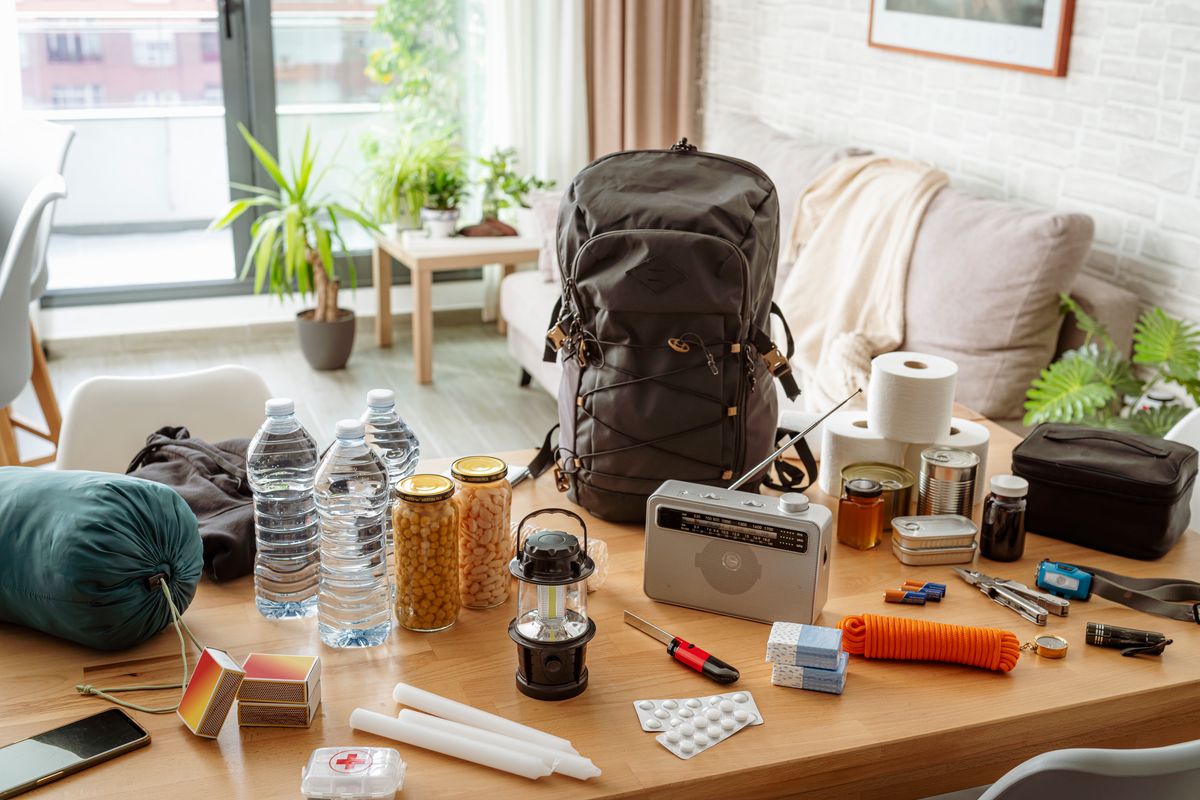
Experts have told people to take action before the weekend
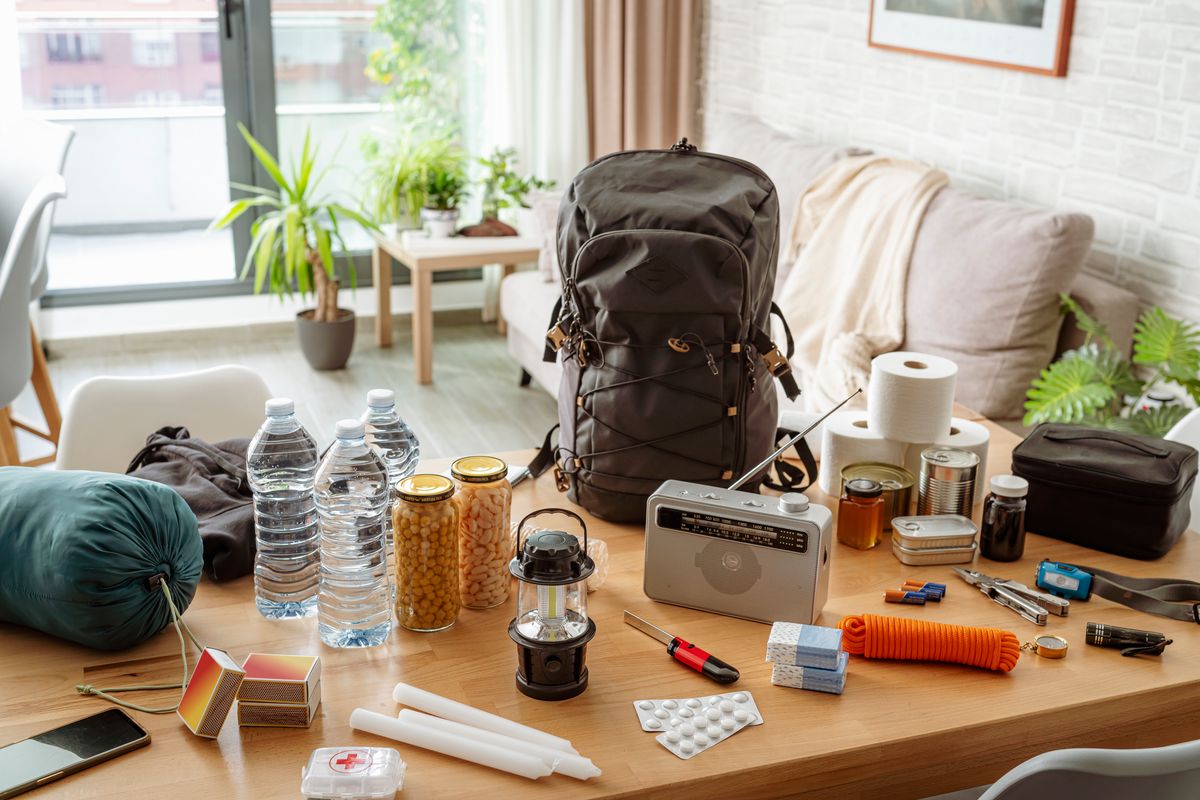
Emergency supplies may be needed this weekend
People have been urged to stock up on essential supplies as Storm Dave is set to bring high winds, snow and rain to parts of the UK – potentially leading to blackouts. Some parts of the country will be battered by gusts of up to 90mph and blizzard conditions as Storm Dave sweeps in over the Easter weekend.
The Met Office has issued yellow severe weather warnings for wind covering the whole of mainland Scotland, Northern Ireland, parts of northern England and north Wales from Saturday into Sunday. Forecasters warn there is a chance of “injuries and danger to life” from flying debris while the strong winds may also cause some damage and travel disruption.
They warn that gusts of 50-60mph are expected widely within the areas covered by the warnings, while gusts of 60-70mph gusts are possible in exposed places. Scotland will be hit by the strongest gusts, which could be up to 80-90mph for a short time in exposed locations.
A yellow warning of snow has also been issued for north west Scotland where some places could see 10-20cm.
A yellow warning of wind will be in force across mainland Scotland from 6pm on Saturday until midday on Sunday. The warning covering northern England and north Wales will be in place from 5pm on Saturday until 7am on Sunday while Northern Ireland will be covered by a warning from 2pm on Saturday until 2pm the following day.
The snow warning in northern Scotland will be valid from 3pm on Saturday until 3am on Sunday.
Experts at Utility Bidder have shared advice ahead of the storm. Mark Gamble, Head of Supplier Relations at Utility Bidder, said: “If you’re not prepared for a power cut, they can be stressful and overwhelming, and can largely disrupt everyday life. Whilst severe weather and system faults can be common causes, most power cuts are short-lived and hyper-local, especially in villages.
“Despite wild weather or the risk of a power cut, it isn’t always necessarily a local-wide problem. Make sure to check in case it’s just a problem with your fuses, but you’ll soon know if it’s a problem for neighbours from word of mouth or lighting outages outside, which will be especially easy to see if it is nighttime.
“As a general rule of thumb, keep a torch and spare batteries at home at all times as a back-up light source, especially in place of lighting candles, which creates an added fire risk. It is also worth always being stocked up on non-perishable food and water, which is readily available; this saves the risk of relying on fridge and freezer food. Despite this, in some cases, there isn’t an urgent rush to stop your food sources from perishing. The contents of your freezer, as one example, will be protected for up to 12 hours, or twice as long if it remains closed, whilst your fridge necessities will be safe for around four hours.
“Power cuts aren’t always expected, however, and a local loss of power can come at any time – even if for a short 5 minutes. If you need to take action in the moment due to an unexpected power cut, you should turn off household items such as ovens and irons, and unplug your TV to avoid any unexpected power surges when the power is reinstated.
“You can never be sure how long a blackout will last, so don’t take warmth to chance. Arm yourself and family members with blankets to keep warm, and close unused doors and the curtains to reduce heat loss.
“Most modern-day boilers use electricity to function, so a power outage will turn off your heating, irrespective of whether you have an electric, gas, or oil-style boiler. Switching off your boiler is recommended if you experience a prolonged power cut, as this will limit the chances of damaging your device from a power surge, but most of the time, your boiler will turn back on promptly.
“If you’re powering your home through solar energy, you’ll also be impacted. Even though solar panels use sunlight to produce electricity, they are designed to shut down during power cuts, all in the name of safety. Installing a battery system could give you an emergency source of electricity in the case of a prolonged power cut, and it is especially useful for businesses, but this will only hold a small amount of electricity.
“One major energy source which is less likely to cause a lasting impact is electric vehicle charging. With some electric cars able to run on a single charge for hundreds of miles, a brief power outage is unlikely to affect you. As long as your electric vehicle is charged, you will be completely unaffected during a power cut. Also, these cars have been designed to cope with sudden power surges, so your battery shouldn’t be damaged if you are charging your electric vehicle during a power outage.
“If you’re not prepared for a power cut, they can be stressful and overwhelming. And as a business owner, you’re the one responsible for making sure your staff, customers, and clients are safe. There are many considerations to make when developing a strategy for your business in the event of a blackout. To help you out, here are our five top tips if your business is suffering from a power cut.”