


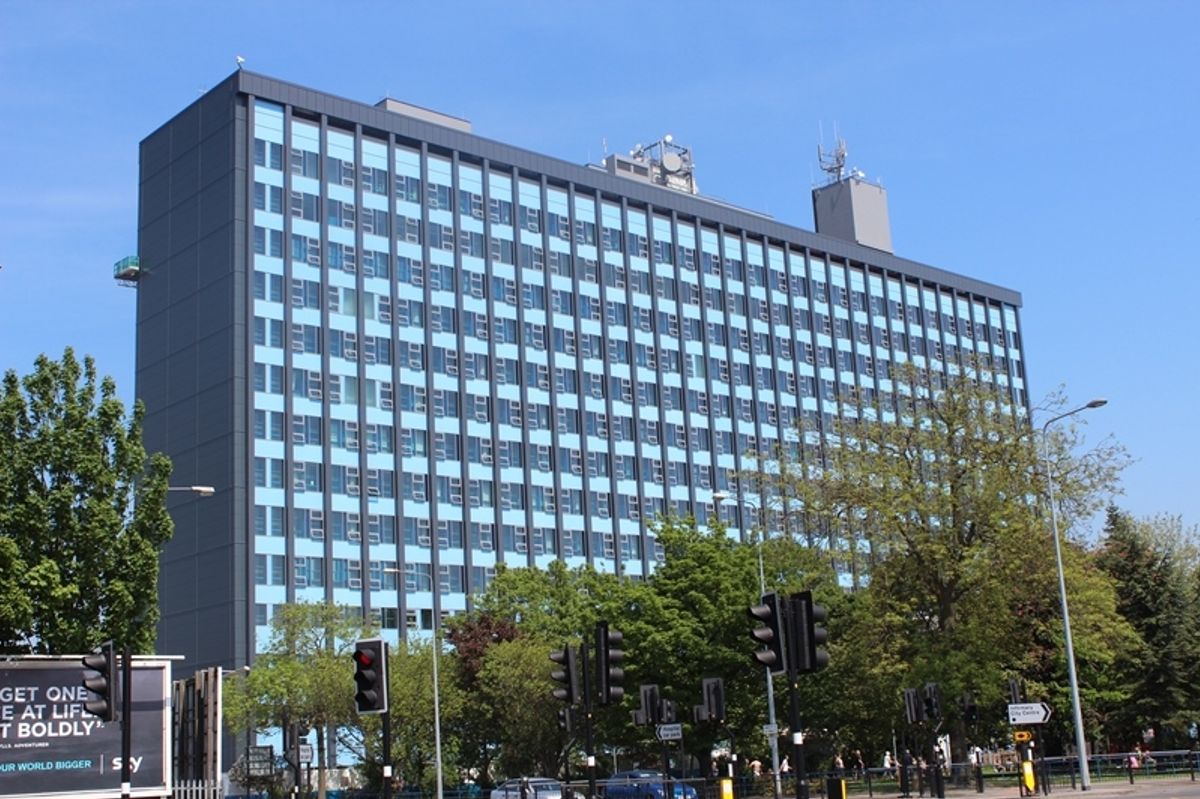

The trust is one of five around the country that will be involved and says it ‘welcomes the focus on supporting organisations facing long-standing structural and funding challenges’
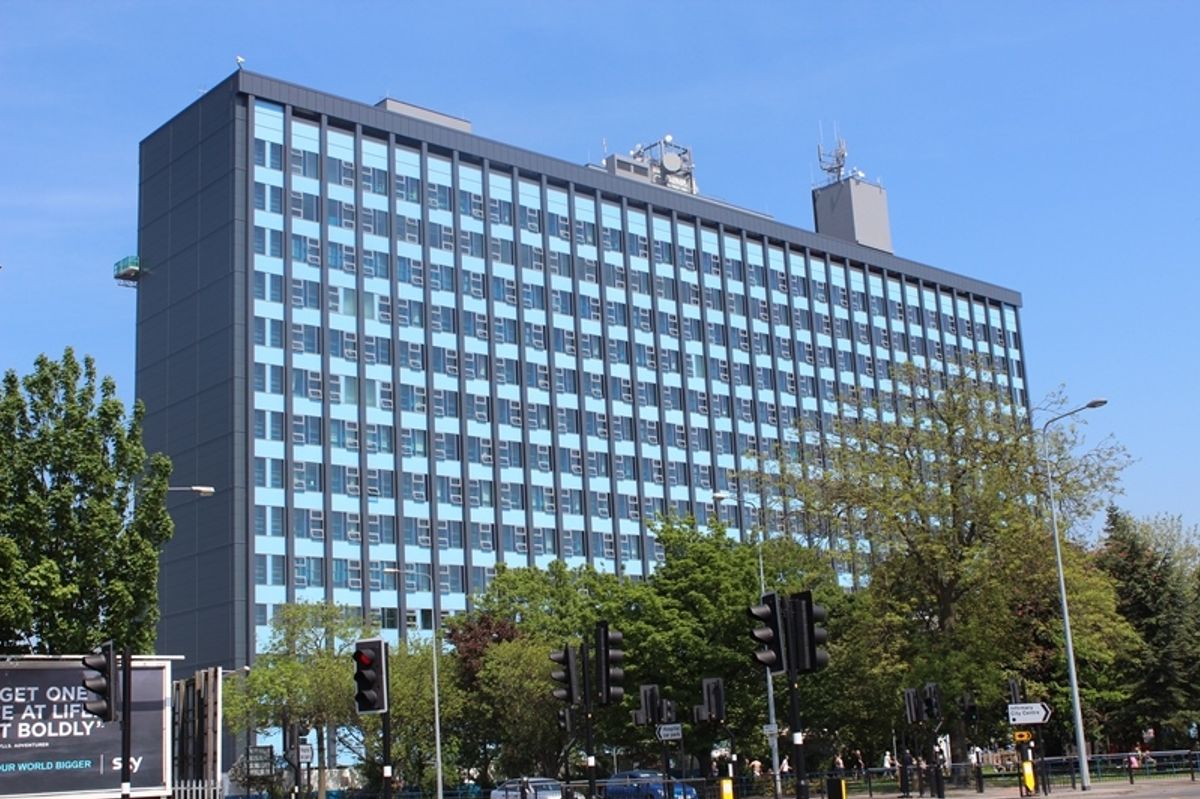
Hull Royal Infirmary(Image: NHS Humber Health Partnership)
The Hull University Teaching Hospitals (HUTH) NHS Trust has been named as one of five in England that is to face a new intensive recovery programme. The scheme, which the Government says is aimed at the ‘worst performing’ trusts, will begin in April.
Last week, the trust which runs both Hull Royal Infirmary and Castle Hill Hospital, was ranked bottom of England’s 134 NHS acute trusts in a newly-released national league table. A spokesperson for the Trust said that issues raised “are not new.”
The recovery programme has identified the five trusts as those facing the longest waits for care, persistent financial problems and high leadership churn. Each trust will receive a tailored improvement approach, designed jointly with local leadership and focused on delivery. HUTH has been named alongside the following trusts in the first wave of the new programme:
- North Cumbria Integrated Care NHS Foundation Trust
- Mid and South Essex NHS Foundation Trust
- Northern Lincolnshire and Goole NHS Foundation Trust
- East Kent Hospitals NHS Trust.
The programmes will include changes of leadership where necessary at struggling trusts, NHS veterans with a history of success brought into underperforming areas, the merging or separating of trusts so resources can be reallocated based on need, and improving access to capital for crumbling estates.
Did you know you can make Hull Live a preferred source of Hull news in Google, which will mean you get more of our breaking news, exclusives, and must-read stories straight away? Here’s more information about what this means and how to do it – you can also do it straight away by clicking here.
Announcing the measures, Health Secretary, Wes Streeting, said: “Right now, a cluster of high-performing trusts are masking some chronic under-performance in other parts of the country. Failure has been tolerated for too long. Staff know it. Patients feel it. And I won’t stand for it.
“We won’t have succeeded in changing the NHS, until we change it for the patients who are suffering the worst services in the country. In some places, so many years of poor service without improvement is feeding that sense of fatalism. They believe that after so long, it just can’t get better – in fact, they’ve never seen it get better.
“That’s why I’ve announced today a new Intensive Recovery programme. This will target the worst performing providers, sending in our best leaders or delivering the structural changes necessary to get them back on track. No more turning a blind eye to failure.”
The NHS Humber Health Partnership covers two of the five trusts, HUTH and the Northern Lincolnshire and Goole NHS Foundation Trust. A spokesperson from the partnership said: “We welcome the focus on supporting organisations facing long-standing structural and funding challenges that cannot be addressed by organisations alone, and which require a more system-wide approach.
“Since the summer, we have taken a more open and clinically-led approach to surfacing and understanding the challenges across our services, which colleagues have been highlighting for several years. That work has led to the development of our first clinically-led improvement plan, shaped by our experienced clinicians, which sets a clear direction for the next phase of work.
“The shift in national approach reflects that same focus on addressing deep-rooted issues in a more coordinated and targeted way. Our focus remains on delivering improvements for patients and supporting our teams to provide safe, high-quality care.”
Hull’s Labour MPs have welcomed the decision by the Health Secretary to include Hull University Teaching Hospitals NHS Trust in the NHS Intensive Recovery programme.
In a joint statement, Dame Diana Johnson MP, Emma Hardy MP and Karl Turner MP said: “Following Hull MPs’ discussions with Health Ministers, it’s welcome that decisive action is being taken by the Secretary of State for Health to make Hull part of the NHS Intensive Recovery programme from April. With Hull University Teaching Hospitals NHS Trust at the bottom of the national performance league table of 134 NHS Trusts, today’s news cannot come soon enough.
“Wes Streeting is right to say that failure has been tolerated for too long. This is especially so when there are concerns about patient safety. The Labour Government is investing £29bn extra into NHS services across the country and Hull residents should share in the improvements that we see being made nationally.
“Although it’s true that Hull NHS Trust has had many challenges and pressures, these are not unique to Hull. They are no reason for low standards to go unchallenged.
“The many hardworking frontline NHS staff that we have in Hull should feel that they are being supported in their work and we have been very concerned to hear about a bullying culture in the Trust. It’s clear that just spending more is not enough where there have clearly been deep-seated deficiencies and instability in the Trust leadership in Hull.
“That’s why we agree with the Health Secretary that investment must go alongside other changes, including where necessary in leadership, in order to get the higher standards in healthcare that we all want to see in our city. Our constituents deserve no less.”
To find all the planning applications, traffic diversions, road layout changes, alcohol licence applications and more, visit the Public Notices Portal .