


Francesco Galia ‘likely suffered a cardiac event’ and was submerged in cold water for 40 minutes, a report has found
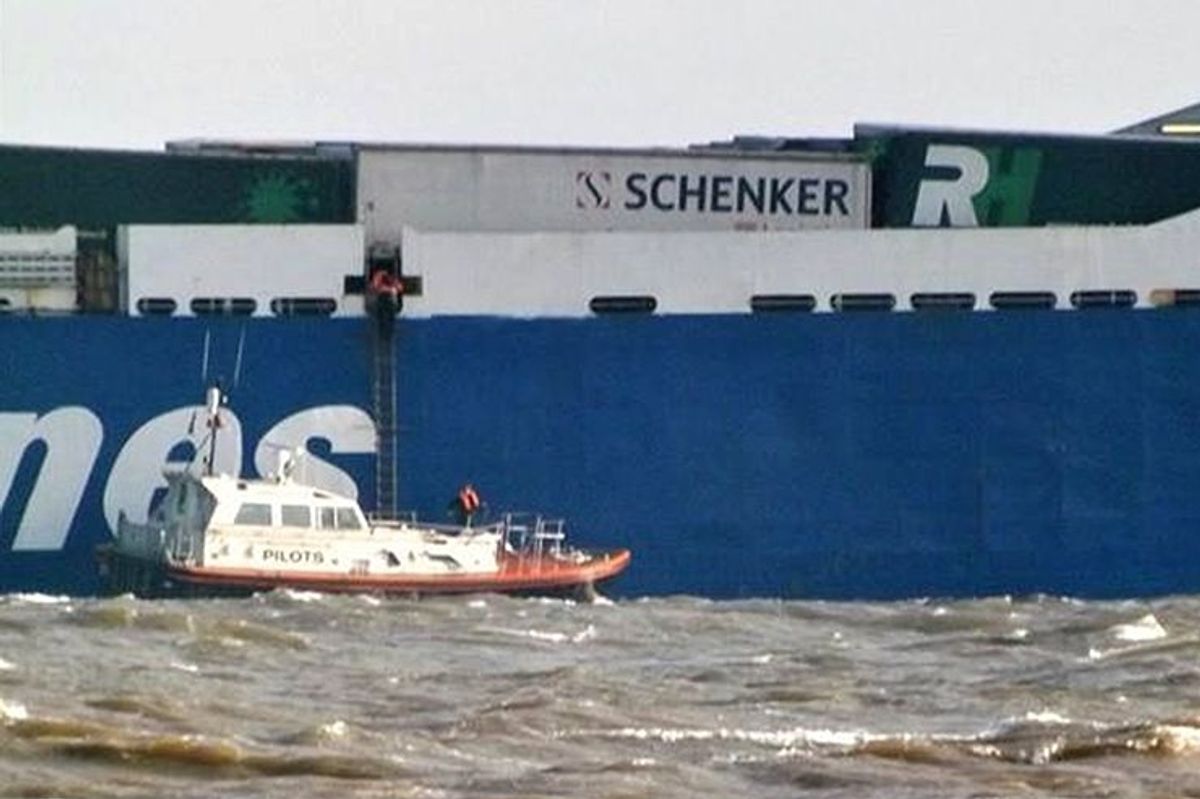
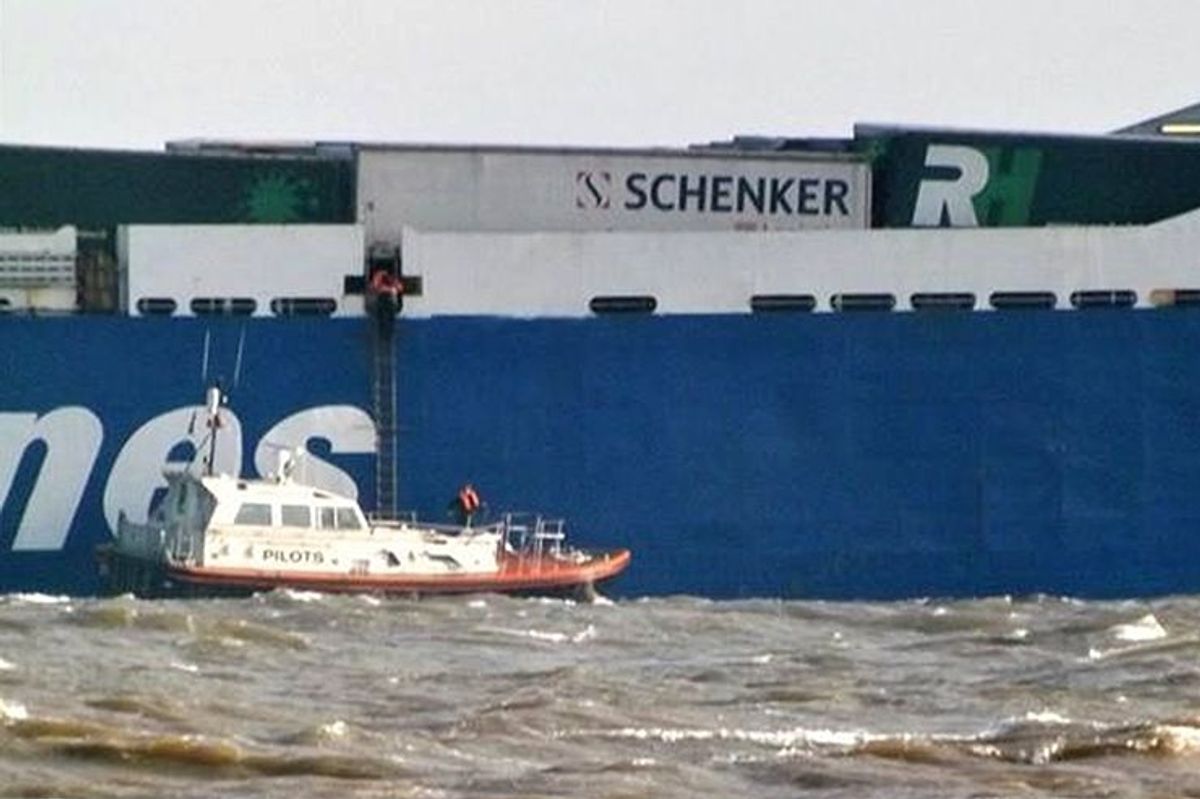
Humber Saturn alongside Finnhawk(Image: Michael Ludlow & Marine Traffic)
A Humber Pilot who sadly died trying to board a cargo ship received a seafarer’s medical certificate six months prior that “should not have declared him fully fit for duty”, a report has found.
Francesco Galia, an Italian national who lived in Hull and worked for ABP, died following the tragedy in the Humber Estuary on January 8, 2023. The Marine Accident Investigation Branch (MAIB) published its report into the fatal accident today (January 22, 2026).
Mr Galia fell from a pilot ladder after “likely suffering a cardiac event while boarding”, the MAIB said. He “suffered from several chronic health conditions” at the time.
He was attempting to board Finnhawk, a roll-on/roll-off vessel used to transport wheeled cargo, from the smaller pilot vessel Humber Saturn. Mr Galia “hit the deck of Humber Saturn before falling into the water and losing consciousness”.
Although Mr Galia was quickly recovered onto Humber Saturn’s man overboard recovery platform, it could not be raised out of the water. He was transferred to a lifeboat 40 minutes later and evacuated by a coastguard helicopter to hospital, where he was sadly pronounced dead.
Defects with the pilot vessel’s man overboard recovery platform “probably rendered it incapable of lifting the pilot at the time of the accident”, the report said. This caused the unconscious Mr Galia to be “semi-immersed in cold water for over 40 minutes” until he could be transferred to a lifeboat, “thereby reducing his chance of survival”.
The report said Association British Port’s (ABP) ‘stop work’ procedure was “unsuccessful in preventing the pilot from working on the day of the accident despite several interventions and concerns about his fitness being raised by his colleagues”. It added that the port authority “had not risk assessed the physical capabilities required of its pilots to establish an occupational standard”.
Recommendations were made to the Maritime and Coastguard Agency to issue guidance that non-SOLAS vessels carry an alternative means of recovery of an unconscious person.
It was recommended that ABP review its risk assessment and, where necessary, update its pilots’ personal protective equipment to improve their survivability in cold water and align the safety training given to pilots with industry guidance.
Port industry bodies have been recommended to issue guidance on the setting of occupational standards for marine pilots and the provision of suitable personal protective equipment to improve pilot survivability in cold water.
The Chief Inspector of Marine Accidents, Andrew Moll OBE, said: “Pilot transfers are challenging and potentially hazardous and fortunately most are conducted without incident. Tragically, however, on 8 January 2023 this was not the case and a respected and experienced marine pilot lost his life.
“While superficially this was a simple accident, our investigation identified safety concerns across the training, equipment, medical standards and emergency response, and this report addresses all of these.
“While the MAIB has been encouraged by the actions of the port and industry bodies to address these safety issues, I strongly urge all harbour authorities with a pilotage service to learn the lessons of this accident and take action.”
An ABP spokesperson said: “ABP has engaged fully with the Marine Accident Investigation Branch (MAIB) throughout its investigation. The MAIB report sets out the actions ABP took after the incident and ABP’s own internal review, as well as setting out recommendations for the wider UK maritime and ports industry.
“As aspects of the legal process remain outstanding it would not be appropriate for us to comment on the detail of the report. ABP maintains a relentless focus on safety, and ABP will continue to work with the rest of the ports industry to ensure that any further relevant lessons identified in this report are acted upon.
“Our thoughts remain with Francesco Galia’s family, friends and colleagues.”