


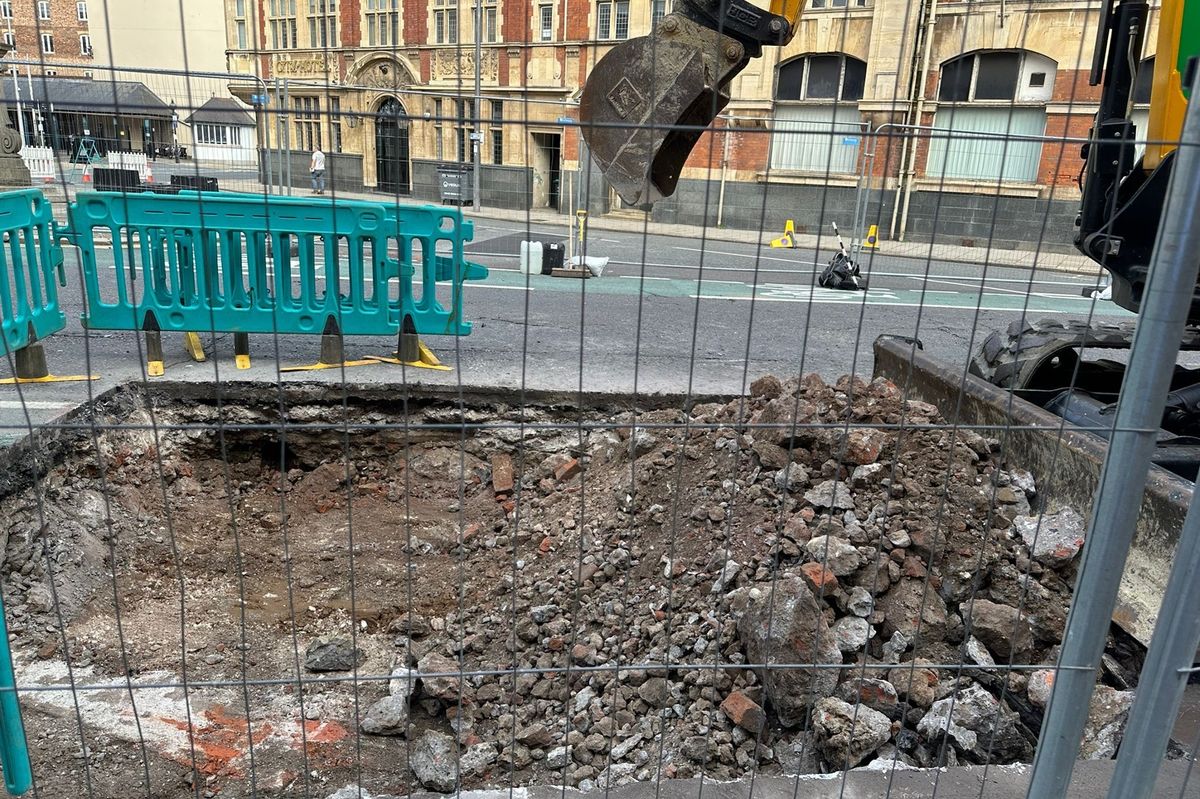
There could be delays for drivers and pedestrians
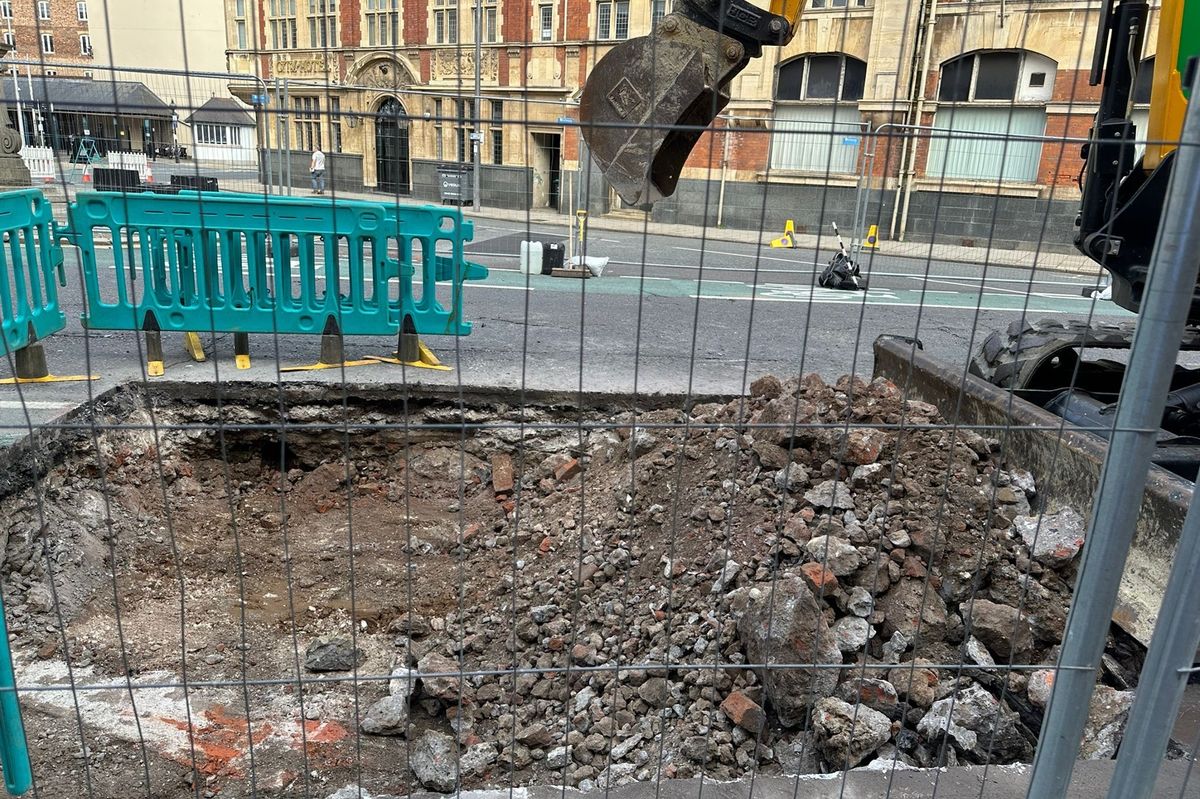
Work on Phase 1A of the scheme in September 2025(Image: Hull Live)
Work on the next phase of the Hull District Heat Network has been approved by Hull City Council. The project will provide the city with low carbon heat and is a key part of the council’s environmental commitments.
The project will utilise waste energy to generate heat, saving an estimated 110,000 tonnes of carbon dioxide equivalent over 40 years. A number of UK cities, such as London, Glasgow, and Manchester already have similar systems in place.
Work to construct the system is to be done in a number of phases, with work having been kicked off last Autumn. Phase 1A, which was co-ordinated with the closure of Drypool Bridge, saw pipes being laid at two sites in the city:
- A route along Alfred Gelder Street, Gandhi Way, parts of the High Street and a short section of Lowgate
- A route along Charlotte Street Mews and parts of Worship Street.
The council has now approved plans for Phase 1B of the project. This pipe laying phase spans four separate areas of the city.
- Portland street, Lombard Street, part of Ferensway, North Street, part of Prospect Street, Albion Street, Jarratt Street, Bond Street and part of Jameson Street.
- George Street, Wilberforce Drive, North Walls, part of Lowgate, Guildhall Road, a section of Quay Street, part of Hanover Square, Carr Lane, Anne Street, Myton Street, Osborne Street, St Luke’s Street, part of Pease Street, Cambridge Street, part of Icehouse Road, part of Great Thornton Street.
- A small section of Alfred Gelder Street and Lowgate.
- Clarence Street across Drypool Bridge.
During Phase 1B’s construction, trenches will be dug on the areas listed above, which as planning documents state, will “result in some temporary localised disruption to carriageways, parking bays and footways.” Planning documents add: “Partial carriageway closures could also result in driver delay. Footway narrowing could result in pedestrian and cycle delay.”
The planning application for Phase 1B, which has been approved, did receive an objection from the Environment Agency. In a letter, the agency raised concerns over the work’s proximity to the River Hull and flood defences. Their letter states: “The proposed development may adversely affect the construction and structural integrity of the flood defences, which may compromise their function. The proposal may therefore increase the risk of flooding.”
Future phases of the HDHM will include the construction of the Hull Energy Centre that received planning permission in April. The centre, which will be on the site of the car park next to Napoleon’s Casino & Restaurant, will supply the hot water to the network.
Is Hull the best place to live in Yorkshire? You can have your say by completing the poll below or by clicking here .