



Sarah-May BuccieriEast Yorkshire and Lincolnshire
 BBC
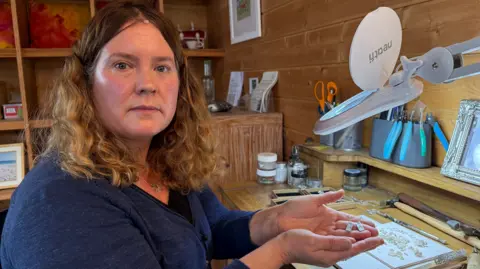
BBCA jewellery designer says she feels “violated” after a fashion website listed a “copied” pair of her earrings for sale, with her own photos used to promote them
Emma Farley, 49, from Burnby, East Yorkshire, said she felt “disbelief” when she saw the jewellery being advertised on X-ZIPO, which is based in Hong Kong, for less than half the price of her originals.
“They don’t even try and hide it,” she added. “They’re using my images.”
The BBC has approached X-ZIPO, which claims to have customers in more than 30 countries, for comment.
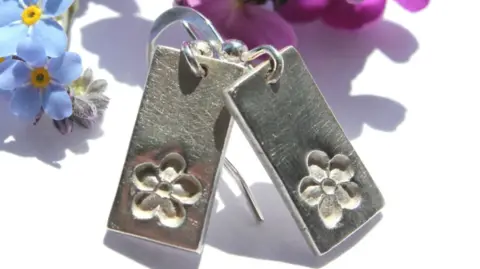
Farley said she noticed what appeared to be a copied pair of her sterling silver earrings for sale on X-ZIPO after an advertisement popped up on another site.
The listing, titled “simple and compact plant flower earrings”, included pictures she had taken to advertise the earrings on her own online retail pages.
“I was in disbelief,” she said. “Then it turned to horror, as I realised this is nothing to do with me.”
 Emma Farley
According to its website, X-ZIPO sells “unique fashion products from our independent designers, using high-quality materials and reliable production”.
But Farley said it was the second time her work had been copied and listed for sale on a larger website.
The practice had a “massive impact” on designers, not least because profits from the earrings she sold went to her wildlife charity, Little Silver Hedgehog.
“I know of other designers and makers who have gone out of business – it’s just not viable,” she added.
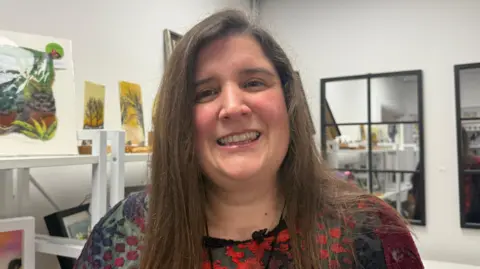
Eve Marshall, a 43-year-old artist from Indigo Crow Gallery in Lincoln, also had an artwork copied and sold online without her consent.
“It was very deflating, the time I spend on a piece is massive,” she said. “Then someone else takes that idea… it’s really disturbing.”
She believes the practice is common.
“Lots of cheap sites are selling knock-offs of people’s artwork,” she added. “It’s such a shame.”
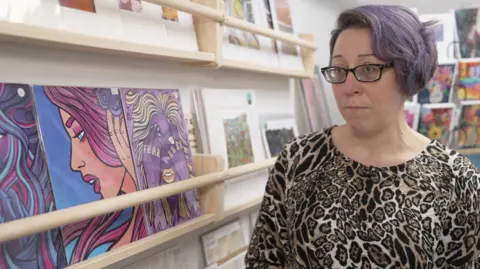
Mel Langton, who co-owns the gallery, avoids advertising her work online because she is worried about artificial intelligence “scraping” and reusing it without consent, despite her work being copyrighted.
She said the process of registering designs often put the onus on the artist rather than the copier.
“It feels like, this is my house, you can steal my things, but it’s my job to get them back,” she added.
Although copyright protection is applied automatically to original works, artists can apply for additional legal measures such as design registration, trademarks and patents.
Dids Macdonald, co-founder of the campaigning organisation Anti-Copying and Design, said protections for artists should be more accessible.
She also called on the government to introduce tougher deterrents for people who intentionally take the work of others.
“It will send a very strong message to those large organisations,” she said. “Especially the Goliaths in this world who think that they can get away with it scot-free.
“The theft of a designer’s original pieces of work is absolutely not acceptable.
“Imitation isn’t flattery if it costs you your business.”