


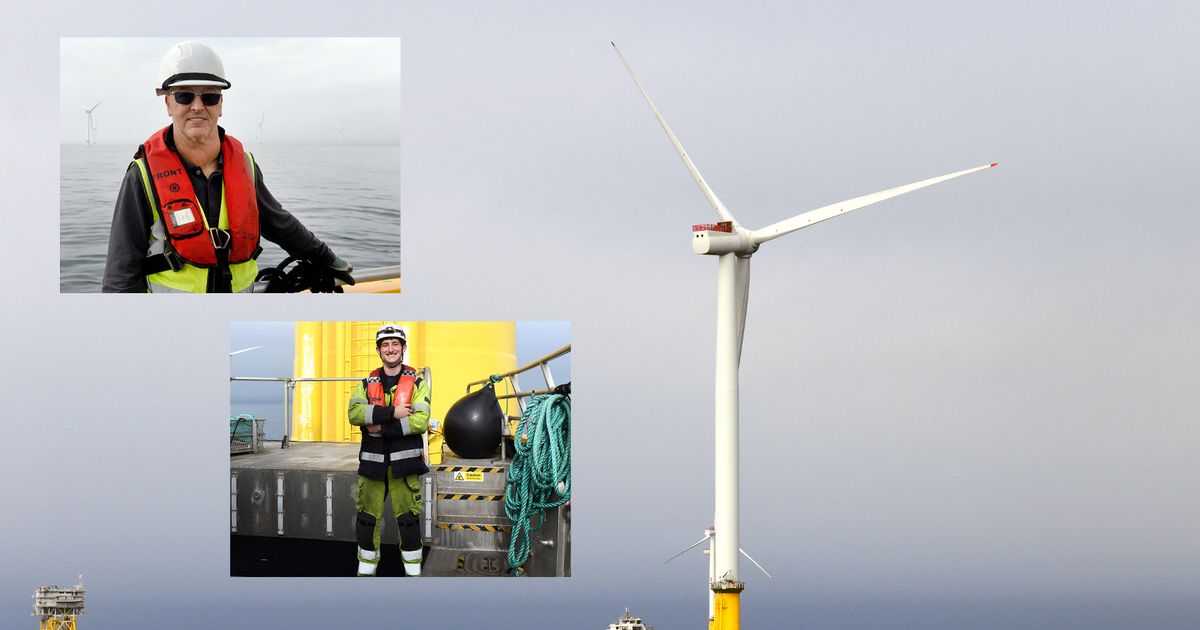
Located eight kilometres (five miles) off the East Yorkshire coast and approximately 25 kilometres north of Spurn Head, the Westermost Rough wind farm is only just visible from the shore but its contribution to our electricity grid is constantly being felt. Its 35 turbines produce enough energy to power more than 180,000 UK homes annually and was the first offshore wind farm to make commercial use of Siemens’ 6 MW gearless wind turbines.
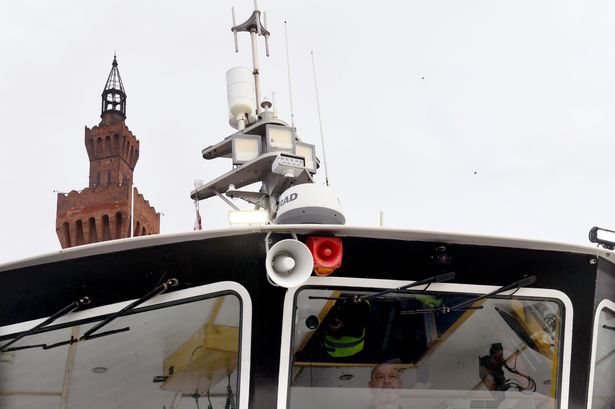
We headed out to sea to take a closer look at the site. Our journey began at Grimsby Royal Dock aboard a Windcat vessel that took roughly one hour to reach the array. Towering above the water, the massive structures stand 177 metres high from sea level to blade tip, making them more than 20 metres taller than the towers of the Humber Bridge.
Able Seaman David Higgins, who oversees the strict safety procedures required when transferring technicians from boat to turbine, shared insights into the daily transit across the water, including the amazing sea creatures he sometimes sees on the way. He said: “From Grimsby to here takes roughly an hour. I’ve seen dolphins, I’ve seen some orcas, basking sharks, there’s little baby seals.
“Even down there in Grimsby there are baby seals, we get to see them quite often, they come right up next to the boat. On days like this when it’s flat and calm it’s lovely, it’s one of the best jobs you can have but this is very rare and you do have a lot of rough seas and it is very bumpy and can be very uncomfortable for a lot of people.”
For the maintenance crew, keeping the site operational demands intense physical exertion. Sam Torrance, from Grimsby, serves as Ørsted Wind Turbine Technician Team Lead and knows the physical toll of working at such heights. “I come out here to Westermost and fix them. We have a service campaign which runs from March until the end of September/October.
“We come out throughout the year to troubleshoot them. Every single day I can climb these turbines, it’s exhausting, the air is thin – your lungs are burning. Sometimes, if the lifts are working, we get to use the lift which is nice, but it’s a bad day if you have to climb.
“From where we are stood now to the very top of the blade is 177 metres. To the cell which is where we work every day is 100 metres and this turbine produces 6 megawatts. The first time I came out here someone managed to get a video of me doing my very first climb when I was 18. I remember seeing and coming into the wind farm and been glued to the window, it was a good day.”
Westermost Rough was the first of Ørsted’s 12 operating wind farms in the UK. Committed to leading the transition to green energy, the company currently generates over 7 per cent of the UK’s electricity across its offshore sites. With a combined capacity of 5.7 GW, Ørsted’s existing fleet holds the capability of generating enough green energy to power almost 6 million UK homes a year.
That capacity is set to expand rapidly with nearby developments. Local project Hornsea 3 is nearing completion and due to start operating in 2027, while Hornsea 4 remains in active development. Hornsea 3 will become the world’s single largest offshore wind farm with a generating capacity of 2.9 GW, delivering green power to more than 3.3 million UK homes.
Once online, Hornsea 3 will push Ørsted’s total supply to more than 9.3 million homes and raise its total share of UK electricity generation to 10 per cent. It marks the third gigawatt-scale offshore wind farm in the Hornsea zone, following Hornsea 1 (1.2 GW) and Hornsea 2 (1.3 GW), both of which already operate out of Ørsted’s operational and maintenance hub in Grimsby.
See our gallery of the visit to Westermost Rough – and the journey there – below.