


Businesswoman Donna Finn says the hair industry is integral to the high street but has been overlooked
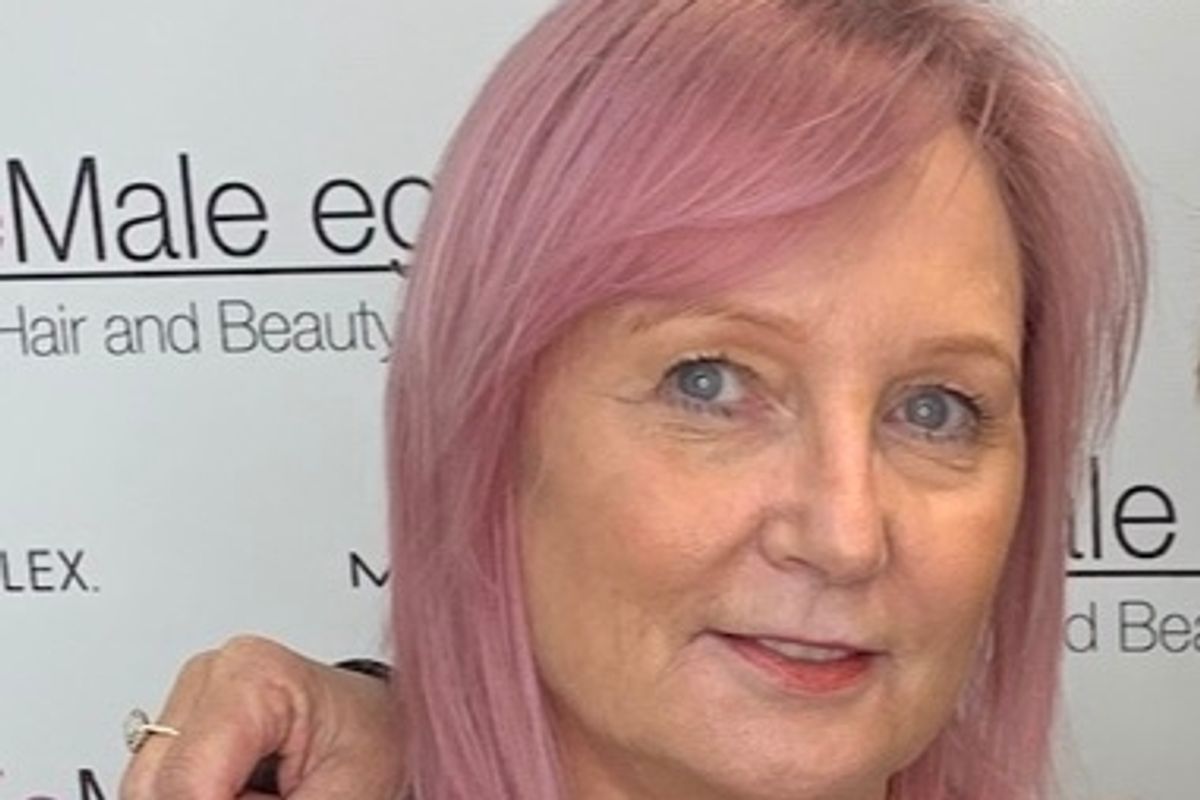
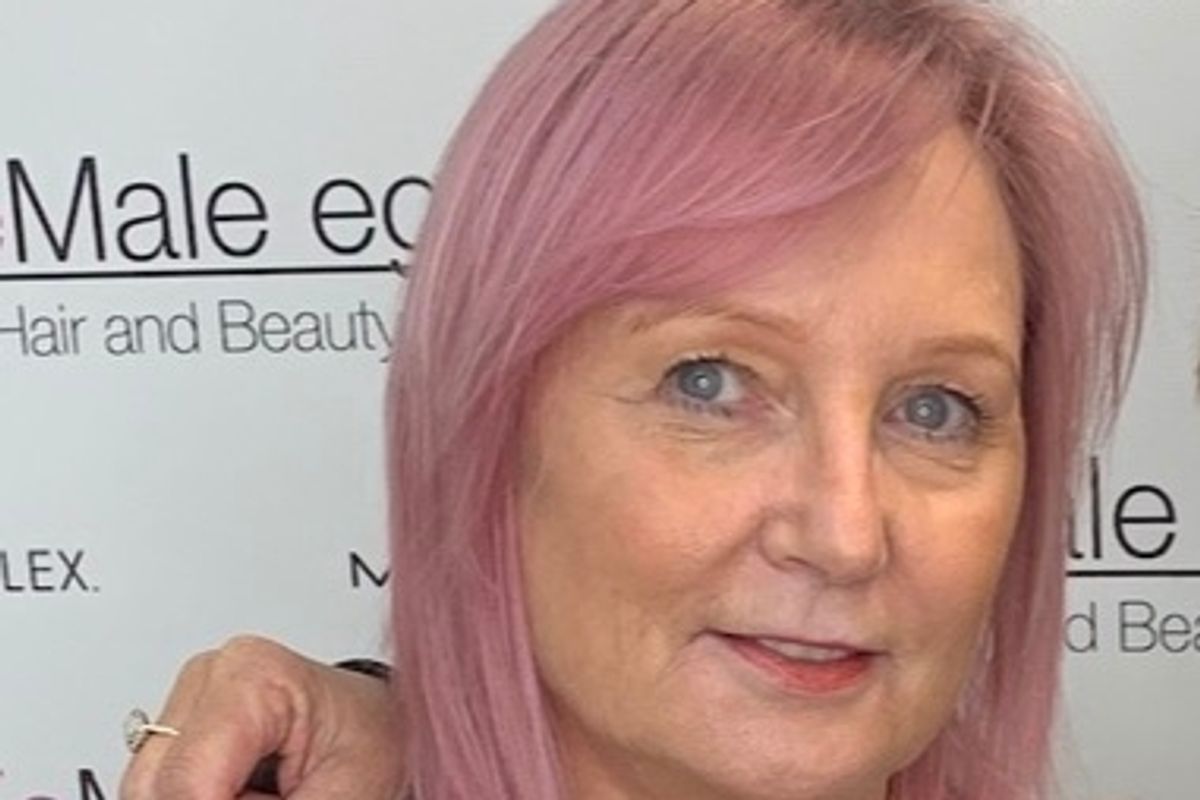
Donna Finn, the owner of FeMale ego on Hessle Road.(Image: Female Ego)
An experienced hair salon owner in Hull has warned the tax burden on her sector is harming job creation and skills. Donna Finn has run FeMale Ego on Hessle Road for more than 45 years and currently employs nine people.
The outspoken businesswoman says it is “harder and harder each month to get by” as she faces soaring costs, customers with less spending power and the continued impact of bounce back loans that helped employers through Covid. In a view backed by the British Hair Consortium (BHC), Donna says the industry is disproportionately impacted by the VAT burden given the majority of its costs are in labour, which cannot be reclaimed.
Together they are calling for VAT on labour-based services to be halved to 10% in a bid to boost the industry and stymie VAT avoidance. Currently, a business must register for VAT if it has turnover of more than £90,000 – with some salons reported to be switching to a self employment model for stylists so as to stay under the threshold.
“I’ve been in business for a lot of years, and I’ve always employed my staff. But now, it’s making it more difficult to meet your monthly payments including PAYE salaries because of the way National Insurance payments have gone up. I don’t know where they expect us to get this money from.
“A lot of salons have turned to self employment which means nobody is paying the VAT and these people you have to feel sorry for because it’s disguised employment. They don’t get sick pay, maternity pay, holiday pay, and if they’re not busy they don’t get paid.”
Donna is a former tutor and assessor, and was one of the first to assess NVQ Level 2 and 3 qualifications. She says her classes would typically have 20-25 students per year, out of which she would employ two or three, with others going on to other salons or setting up their own businesses.
Now, she says, the classes have perhaps four or five students and she has doubts as to whether any salons will be able to take on trainees in the coming years given the rise in self employment. That view is supported by the BHC which says that by 2027, there will be no apprenticeships left in the sector.
She explained: “Now, I’m only able to take one a year on – if I can even manage that. I haven’t been paid for a year and I’ve had to put my own money into an apprentice.”
Donna says the situation has become so desperate that she has been approached by parents of hairdressing hopefuls who have offered to pay half of their wages, just to get a foot in the door.
She added: “You’ve got to realise too that hairdressers are not just there to train apprentices, they are what puts footfall on the high street. Because people have got to walk to us.
“And we don’t just cut hair, we look after them, we nurture them, look after their mental health, we talk. We’re doctors, nurses, psychologists and we’re marriage guidance people. We can’t just go and shut off.
“We’re like the pubs – which seem to get more recognition than us but they need help as well because the pubs are dying.”
An HM Treasury spokesperson said: “Hair and beauty businesses play an important role in supporting jobs, apprenticeships and thriving high streets across the UK, which is why we’re backing them through business rates reform, including a £4.3bn support package to limit bill rises. As has always been the case, decisions on tax are a matter for the Chancellor to set out at fiscal events, rather than routinely commenting on rumour, speculation or proposals.”
Did you know you can make Hull Live a preferred source of Hull news in Google, which will mean you get more of our breaking news, exclusives, and must-read stories straight away? Here’s more information about what this means and how to do it – you can also do it straight away by clicking here.