


‘Of course, people should get out and enjoy the sunshine in the back garden, but we’d ask people to make small tweaks to their usage’
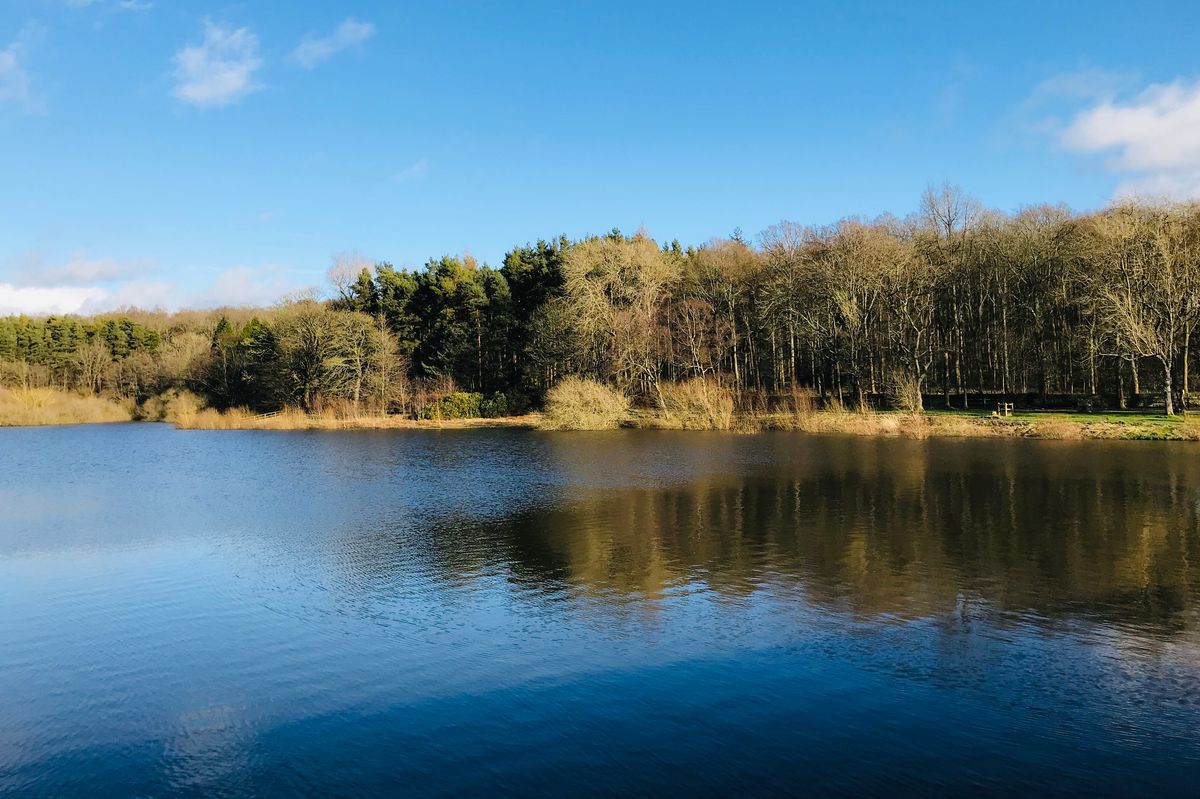
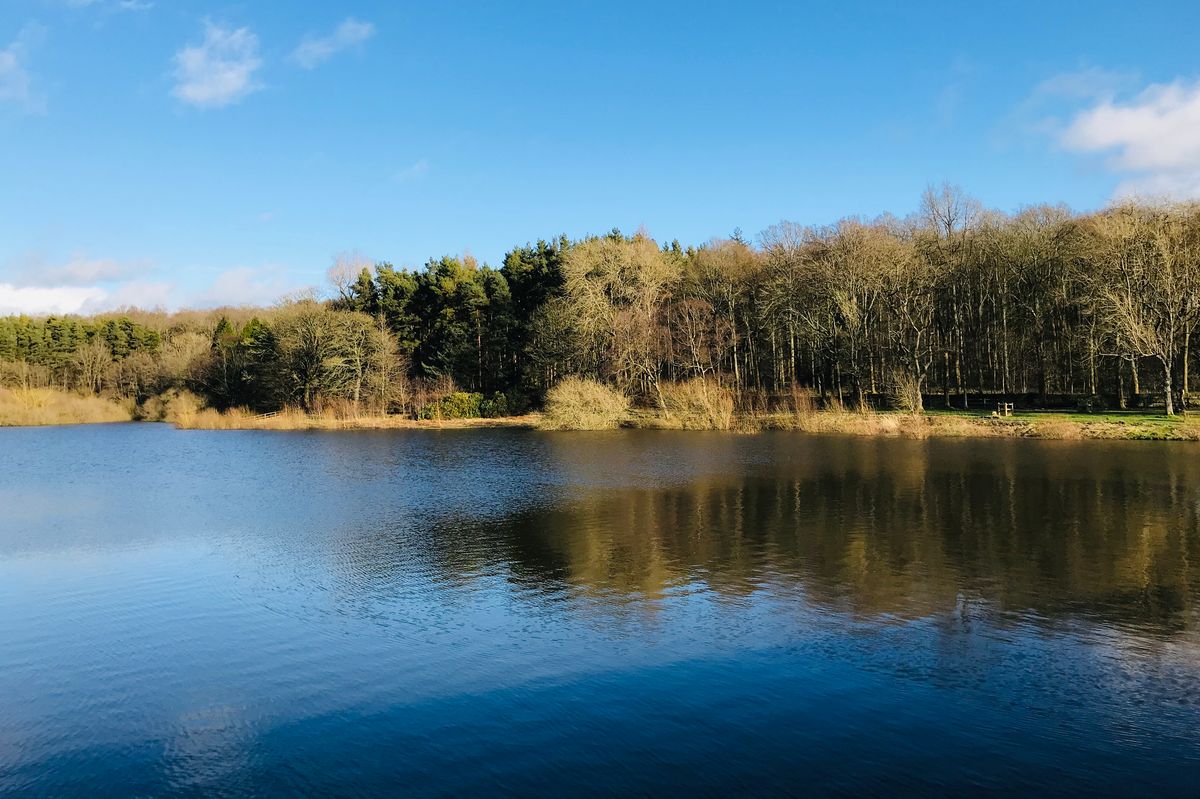
Reservoirs are in much better shape today than they were this time last year, Yorkshire Water says(Image: Submitted)
As temperatures soar once again, Yorkshire Water is urging customers to use water wisely. New research indicates just 15% of adults in Yorkshire and the Humber understand how much water they use.
On average, people use five times more water each day than they think, with respondents predicting their use at 30 litres a day rather than the actual amount of around 126 litres, Yorkshire Water said. Andy Shaw, director of control, production & process at Yorkshire Water, said: “We’re experiencing another heatwave in the region this week and we’re urging customers to think carefully about their water use.
“In the last heatwave, we saw water usage increase by 190 million litres during the highest temperatures – which is what we supply to Leeds and Harrogate combined on a daily basis. We’re predicting demand to peak at more than 1.5 billion litres per day during this heatwave as temperatures rise.
“We’re in a much better position this year with our water resources in the region, with reservoir stocks currently at 75.7% – much higher than the 53.8% they were at this time in 2025. This is due to the extremely wet start to the year, our investment to replace over 200km of water mains in the last 12 months, investment in new water supplies, continued efforts to reduce leakage and our work to install 250,000 smart meters that have helped to find leaks on customers’ properties. All of this means our network is more resilient than ever, and we have no expectations of hosepipe restrictions this summer.
“Our teams will be working around the clock, as they do all year round, to maintain supplies and move water through the network to areas experiencing the highest demand. We’re out and about 24/7 finding and fixing leaks and doing everything we can to look after every drop.”
The research is part of a major new initiative across the country to transform how society thinks about and uses water. The Let’s Save Water campaign comes as scientists, environmental experts and industry leaders warn of increasing pressures on water resources driven by climate change, population growth and rising demand. It aims to build awareness of the precious and finite nature of water while encouraging simple behaviour changes – from taking shorter showers to fixing dripping taps – to reduce water use today and help protect supplies for future generations.
Professor Lizzie Kendon, strategic head of climate processes and projections at the Met Office, explained: “More rainfall doesn’t automatically mean more usable water. Climate change is driving increasingly extreme weather patterns, with wetter winters, drier summers, and more intense bursts of rainfall. When rain falls on dry, hardened ground, much of it cannot soak into the soil where it is most valuable, instead it runs off and is being lost. This growing imbalance is placing mounting pressure on our water resources, and there is an urgent need for action. By acting now and embracing small, everyday changes, we can help safeguard this precious resource for future generations.”
A short film, Water: A Shared Challenge with Jeff Brazier , accompanies the launch of a four-year campaign across England and Wales. Travelling across the two countries, Jeff visits leading experts to explore the growing threat of water scarcity and what the projected daily shortfall means for people and nature. In Cardiff, he speaks with Professor Ian Walker, Head of Psychology at Swansea University, about public attitudes and behaviours around water use; in Exeter, Professor Lizzie Kendon from the Met Office explains how climate change is shaping England’s water future; and in Yorkshire, Clare Cashon, Project Officer at the Yorkshire Wildlife Trust, highlights the impact of water shortages on habitats and wildlife.
Clare Cashon, south project officer at the Yorkshire Wildlife Trust, said: “Water in England needs to be carefully managed, and we have to be careful about how much we take from the environment. If demand keeps rising, it’s going to be harder to make sure there’s enough water for both people and nature.
“At Yorkshire Wildlife Trust, we look after important rivers, streams and wetlands that so much wildlife depends on. Wet habitats can support entire life cycles, and they’re already under strain from changing climate and growing water use. Our natural environment offers rich habitats for wildlife, health and wellbeing benefits and solutions to drought and floods, but only if we take care of it.”
Andy said: “Of course, people should get out and enjoy the sunshine in the back garden, but we’d ask people to make small tweaks to their usage to help save water and make sure there’s enough to go around. Things like using a watering can rather than a hose, if people are considering getting the paddling pool out for the kids, covering it over with a sheet overnight so it can be reused the next day, and letting grass go brown as it’ll bounce back when we get some rain, will all help.
“Last year we saw a fantastic response from customers, who took the restrictions on board, put the hosepipes down and started to make changes to their water usage habits.”
To find out more, search Let’s Save Water or visit letssavewater.com
Did you know you can make Hull Live a preferred source of Hull news in Google, which will mean you get more of our breaking news, exclusives, and must-read stories straight away? Here’s more information about what this means and how to do it – you can also do it straight away by clicking here .