


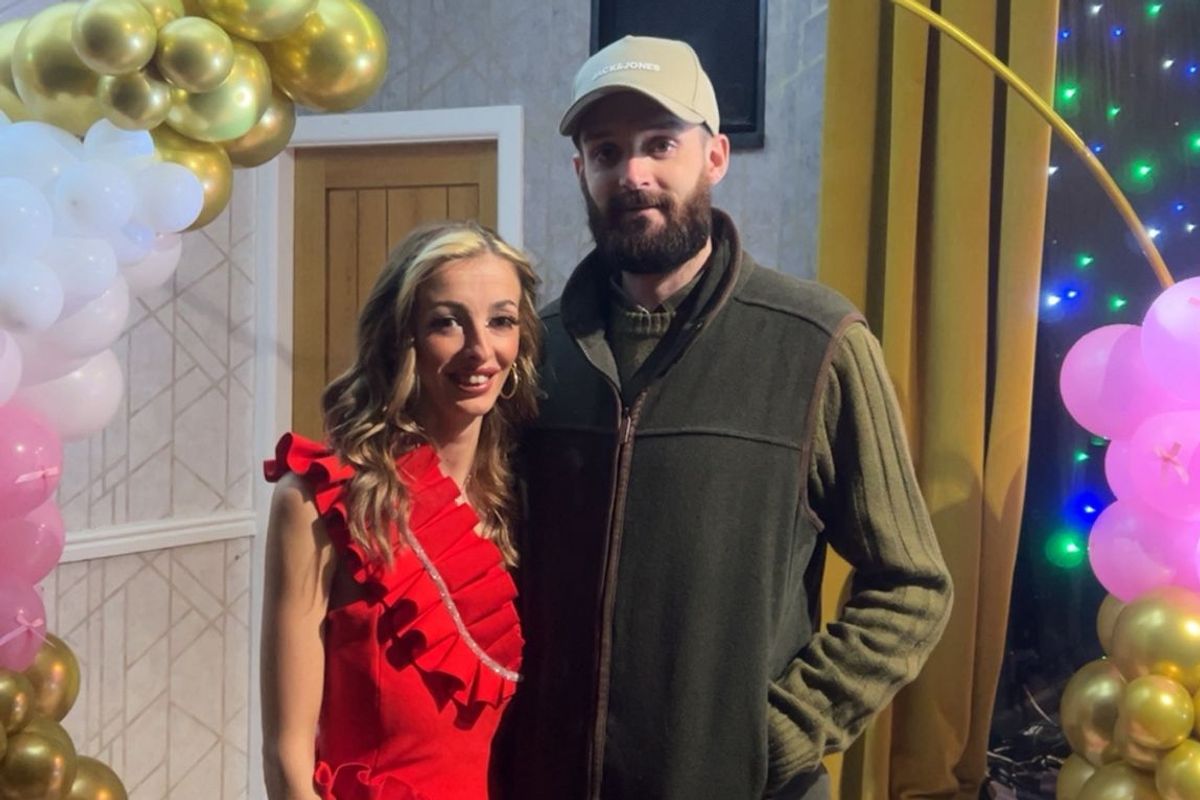
Courtney Reen and Josh Grant have been trying for a baby for seven years, but have been turned down for funded fertility treatment repeatedly because Courtney’s BMI is classed as too low – despite GPs and dieticians saying she is perfectly healthy
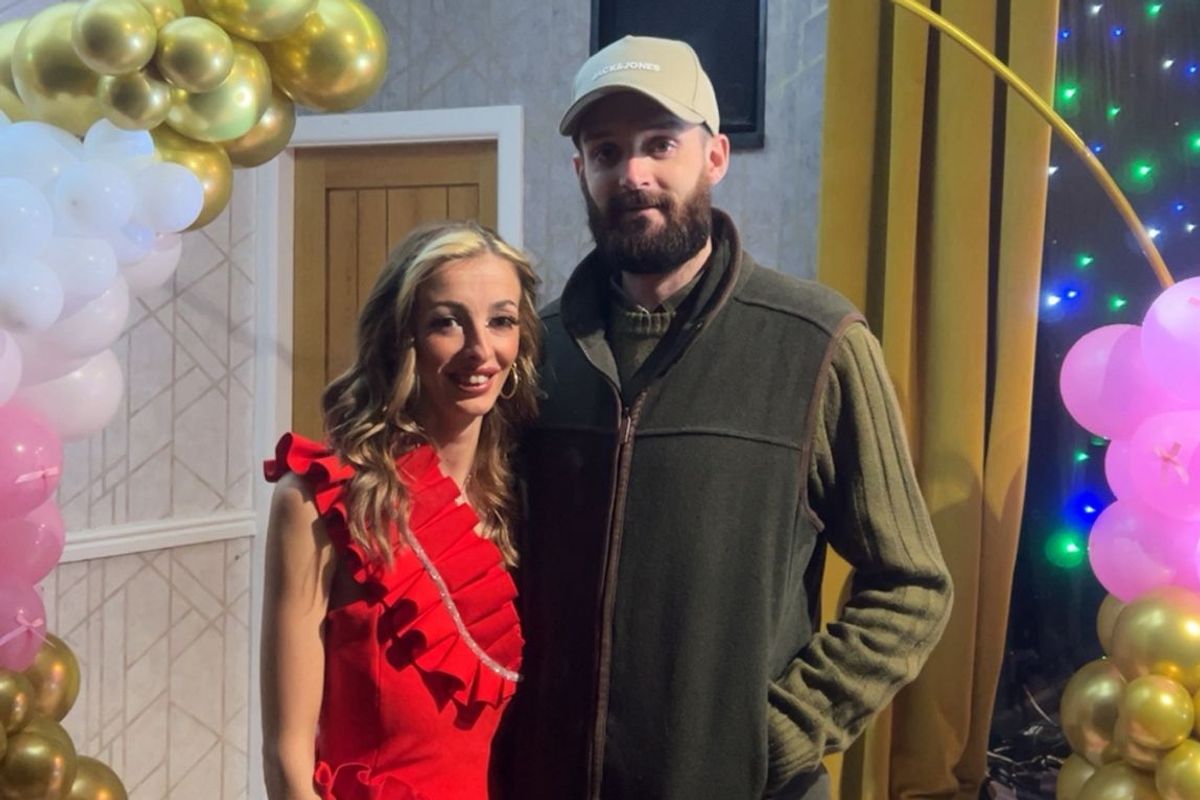
Courtney Reen and Josh Grant(Image: Submitted)
A couple who want to be parents “more than anything” are heartbroken after being turned down for NHS-funded fertility treatment more than three times, with a panel deeming the prospective mother’s weight to be too low. Courtney Reen and Josh Grant made the difficult decision to set up a GoFundMe page and are hoping donations from the public will assist in funding costly private treatment – but believe they should qualify for NHS-funded IVF.
Courtney, 27, has visited various dieticians and tried to gain weight, but her BMI is still classed as too low to receive funded treatment. She and Josh, 33, have been trying for a baby for seven years. She said: “Me and Josh want this more than anything. We wanted it to happen before I turned 30. The process started seven years ago, that’s when we first went to the doctors. It’s so heartbreaking. This is our 7th year and we still haven’t even started the IVF process. We don’t know the full cost yet because there are a couple of routes. In my head I think about £12,000 and that’s if it is successful the first time.”
After a year of trying to conceive naturally when Courtney was 20, the couple visited their GP and were referred to Hull & East Riding Fertility. Everything seemed fine – except Courtney’s BMI was classed as low. Courtney said: “I’m 5ft 6 and skinny, so that makes my BMI extremely low. I only weighed seven stone, so I asked them to refer me to a dietician. Within six months she told me I eat all the right stuff, if anything I eat more than what I need. She put it down to having a fast metabolism. I told the fertility clinic I’d been discharged, they put a referral in, and it was declined by the NHS straight away because my BMI was too low.”
Courtney then sought a second opinion from a different dietician. She says that this time, she was drinking protein milkshakes and high-calorie foods that made her feel ill. “Some of it was that high in calories it made me ill, because I was still eating normally and I was having too many calories. It was making me sick.
“The second dietician discharged me because my weight wasn’t going up. If you were to meet me, you wouldn’t say I’m underweight. I’ve got boobs and a bum and a bit of fat on my thighs. You don’t look at me and think ‘she needs to put on weight’.
Courtney has a BMI of 16, based on her 42.4kg weight ant 163cm height. The Hull Clinical Commissioning Group’s policy says: “The female patient’s BMI should be between 19 and 30 prior to referral to specialist services.” A statement from the NHS Humber and North Yorkshire’s Integrated Care Board said it understands that this can be “a sensitive and distressing issue” but low BMI “can have a significant impact on both the safety and effectiveness of fertility treatment, as well as pregnancy outcomes for both the mother and baby”.
Courtney doesn’t know her biological dad, but her mum’s body type is similar. Her mum weighed less than 8 stone when she gave birth to Courtney. She says her job as a waitress means she is on her feet “all day every day” and she is “constantly on the go and active”. “All the fertility clinicians think we’ll have success,” she said. “My periods are regular, my body is ready, my body is healthy.”
She said: My consultant has tried to argue that against the board and they’ve declined it every time because of my BMI. Three GPs have written letters saying ‘we think it’s genetic and she’s healthy’.
“I understand them declining it the first time, when they’d not looked into why I was so slim. That’s why I then argued my case and asked for a second opinion from a dietician. The second time, I was a little bit shocked because the dietician wrote a letter. The third time I was more heartbroken. It’s somebody behind a computer screen that’s declining me. Am I not allowed to speak to them or meet them?”
Courtney and Josh, from Sutton-on-Hull, met while working at a local funfair. They have now been together for nine years. Courtney said: “We were just friends at the start, he was helping at work and I travelled with them for a bit. It was actually my nanna who said ‘he’s the man for you’. And now my nanna’s not here to see the story. We think the baby is the next important step.”
She says the decision to set up the GoFundMe page is not one they have taken lightly, and it “took a lot of strength” to set the page up. All their money is going into a savings account to fund the treatment, but donations will be a huge help towards them meeting their goal.
“We are just trying our hardest for something that we’ve wanted for so long,” she said. “We are full time workers, we have our own house. We are ready for a family. All my childhood I’ve wanted six or eight kids. And now I might not even have one and we need to do this before it’s too late.”
A spokesperson for NHS Humber and North Yorkshire Integrated Care Board said: “We understand that this can be a very sensitive and distressing issue for people who are hoping to start a family, particularly where they feel they are doing everything they can to improve their health. Across the NHS, access to fertility treatment is guided in part by clinical evidence and national recommendations, including those from the National Institute for Health and Care Excellence (NICE).
“These recognise that a person’s body mass index (BMI) can have a significant impact on both the safety and effectiveness of fertility treatment, as well as pregnancy outcomes for both the mother and baby. Being significantly underweight or overweight is associated with increased risks, including complications during pregnancy and a lower likelihood of successful treatment.
“For this reason, many local NHS policies include a recommended BMI range within which treatment is considered safest and most effective. Where someone’s BMI falls outside of this range, they are usually offered advice and support, such as referral to appropriate clinical services, to help improve their overall health prior to treatment and maximise the chances of a successful outcome.
“We recognise that weight and underlying health factors can be complex and, in some cases, difficult to change. We would always encourage anyone affected to speak to their clinician about their individual circumstances and the support available to them.”
To donate to Courtney and Joshua’s fundraising page, visit: https://www.gofundme.com/f/a-dream-of-becoming-parents
Did you know you can make Hull Live a preferred source of Hull news in Google, which will mean you get more of our breaking news, exclusives, and must-read stories straight away? Here’s more information about what this means and how to do it – you can also do it straight away by clicking here .