


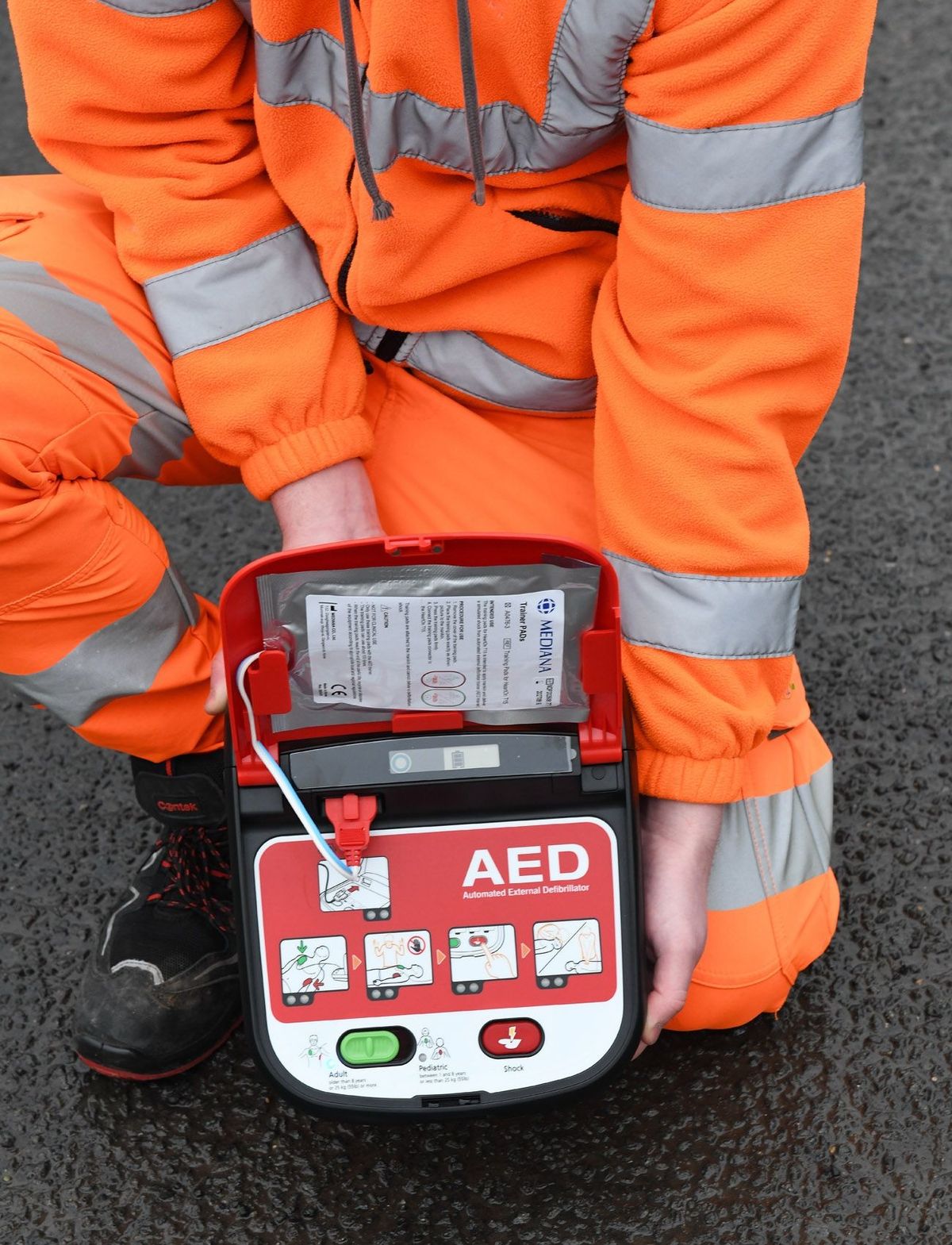
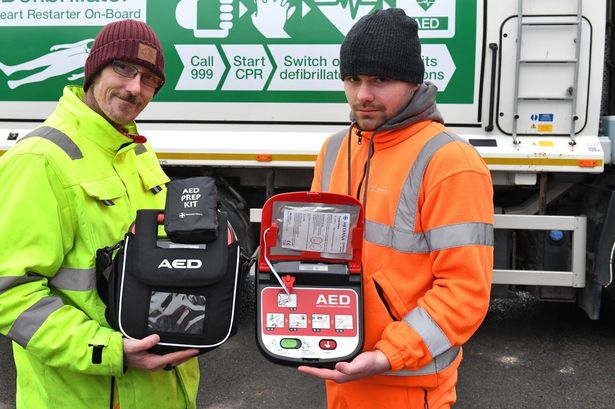
The British Heart Foundation (BHF) has praised the move by East Riding Council to install portable defibrillators on its full fleet of bin wagons. Sam Kennard, community defibrillator manager at BHF said: “It’s encouraging to see that East Riding Council has fitted defibrillators in every refuse lorry, allowing their staff to step forward in the moments that matter.
“There are around 40,000 cardiac arrests outside of hospital each year in the UK, but sadly just one in ten people survive. Cardiac arrest can happen to anyone, anywhere, at any time, but having someone immediately perform CPR and using a defibrillator really can make the difference between life and death.
“The refuse trucks are out and about in the community, day in day out, which means that people in the East Riding will have a greater chance of being within close proximity of a life-saving defibrillator if a cardiac arrest happens to somebody near them.” The pioneering project has seen life-saving defibrillators fitted to all bin collection lorries in the county.
In what is thought to be the first scheme of its kind in the UK, the council has installed the machines to its entire fleet of refuse trucks. The Automated External Defibrillators (AEDs) deliver an electric shock to the heart during sudden cardiac arrests to restore its normal rhythm.
The machines are designed for public use in emergencies, while waiting for an ambulance to arrive. While bin crews are being offered training to use them, anyone can deploy the AEDS as they talk the user through all the steps.
Andrew Fowler, refuse collection lorry driver and crew member, previously said: “I think it’s great for people to have access to these machines. We are out everywhere, everyone can see us – hopefully we don’t have to use them but if we do, we’re there and we’ll be able to offer support for anybody that needs them.”
Hull Live is backing the initiative, and going one further by helping to spread the word and urge other councils across the country – particularly those in rural areas – to consider a similar scheme. This week the Resuscitation Council UK (RCUK) is launching Check Your Defib Week, a UK-wide public health campaign calling on Guardians of defibrillators to ensure they are registered, checked and updated on The Circuit, the national defibrillator network that provides the NHS ambulance services with vital information about defibrillators.
RCUK says more than 120,000 defibrillators in the UK are registered on The Circuit but without regular checks, some devices may not be ready to use when they are needed the most. More than 81,000 Guardians are responsible for maintaining these devices.
In Hull alone, 335 defibrillators are currently registered on The Circuit, serving a population of around 275,401. People across the city are being urged to play their part by using DefibFinder, to locate their nearest defibrillator, so they are already familiar with the location if directed when calling 999 in response to a cardiac arrest.
Adam Benson Clarke, clinical director at Resuscitation Council UK, said: “Defibrillators can make the difference between life and death, but only if they are properly maintained and accessible. Too many devices risk failing at a critical moment due to simple issues like expired pads or flat batteries.
“By taking just a few minutes to check and update defibrillators on The Circuit, guardians can play a direct role in improving survival from cardiac arrest.” RCUK has developed a practical checklist to support Guardians in carrying out routine checks and ensure devices are fully operational and accessible.
Cardiac arrest can occur without warning, affecting anyone – a colleague, a neighbour, someone you love. A working registered and findable defibrillator can help save lives.
Did you know you can make Hull Live a preferred source of Hull news in Google, which will mean you get more of our breaking news, exclusives, and must-read stories straight away? Here’s more information about what this means and how to do it – you can also do it straight away by clicking here .