


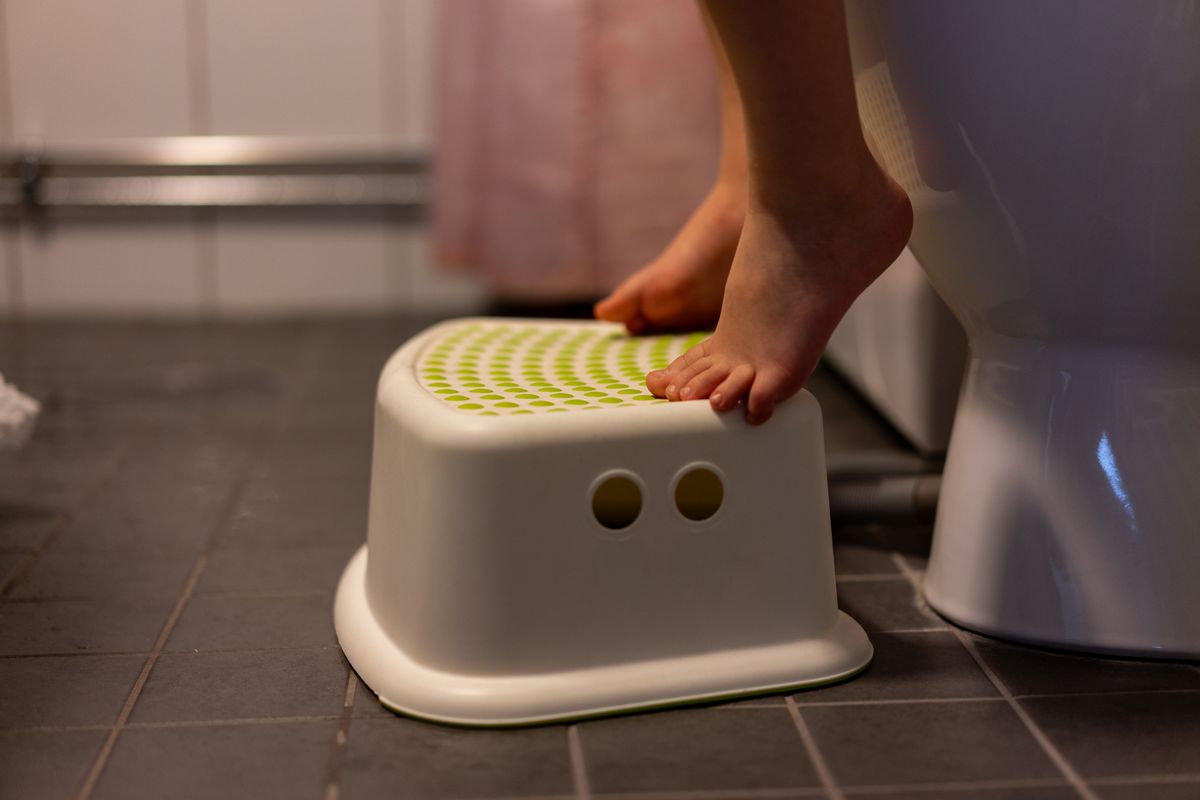
A local NHS Trust said modern disposable nappies which don’t feel wet when soiled were partly to blame
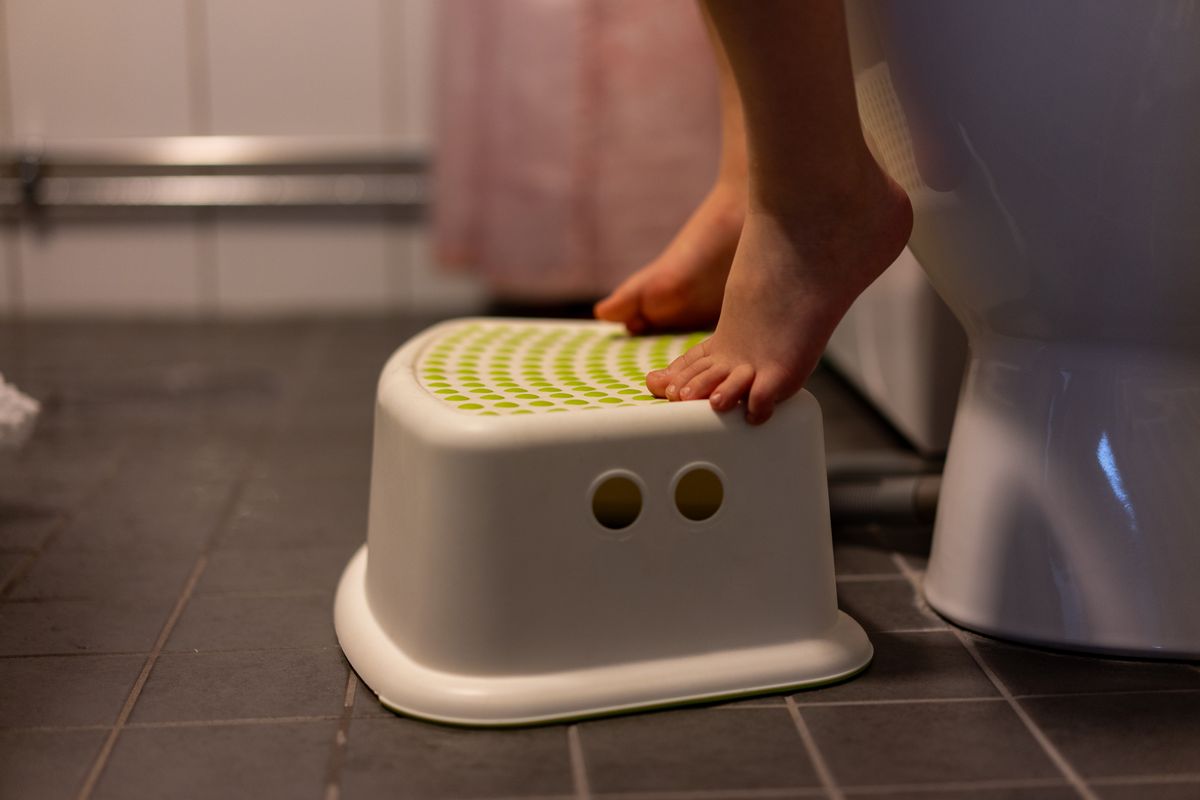
The rise in age of children being fully toilet trained has risen in recent years (stock image)(Image: Getty Images)
An NHS Trust has urged parents to get help if they are struggling to potty train their child. Humber Teaching NHS Foundation Trust said parents should start potty training as early as 18 months of age and not wait for “signs of readiness”.
Recent figures show that 44 per cent of the calls taken by the Trust’s 0-19 Single Point of Contact (SPOC) service for parents were for support with their child’s continence, highlighting the struggles being experienced by local families.
Potty, or toilet, training is a key milestone in a child’s life that has seen a drift over the past few decades. The age that children are starting potty training has creeped towards primary school age.
The message being shared by Health Visitors is to begin potty training as early as possible. The optimum age window for starting potty training is between 18 and 30 months, and this is also true for children with special educational needs and disabilities (SEND).
Lindsey Eddom, Health and Development Practitioner, said: “We regularly speak to parents who have either started toilet training and are finding it difficult to make progress or those who want to know how to start with their child.
“The key thing is to introduce your child to the potty or toilet as early as possible and talk to them about what it is for. Parents are urged not to delay starting with potty training, even if their child has special educatory needs.
“In fact, it’s even more important to start earlier for children with special educational needs as the process can take longer. Therefore, starting earlier is recommended.
“We want to help parents to understand they don’t need to wait for signs of readiness. 18 months is an ideal age to start for any child. There are lots of things parents can do to start introducing potty learning and practicing the skills needed with their children.
“Placing a potty and nappy changing in the bathroom is optimal, rather than in other rooms of the house so that the location is consistent. We recommend regular nappy free time accompanied with regular potty sitting.
“We also advise parents that boys do not need to be taught how to use a potty standing up, we actually recommend having them sit on the potty as this is better for bladder health.”
The rise in age of children being fully trained has risen in recent years, this upturn is being linked to the increased use of disposable nappies which keep children drier and less uncomfortable wearing them, the Trust said. However, disposable nappies impose a considerable cost to families and potty training removes this burden.
Children who are not able to independently use the toilet facilities and remain in nappies are at a severe disadvantage when starting school. It can impact their education and social and emotional development.
Figures nationally show that one in four children are not toilet trained by the time they reach primary school age. This startling figure is being addressed locally by Humber Teaching NHS Foundation Trust’s 0-19 team.
They are encouraging parents to start earlier and seek help no matter what the age of their child. Every parent will be supported with no judgement and practical, bespoke advice for tackling toilet training or any other concerns parents may have about their children.
There are multiple ways parents can receive support and advice:
Did you know you can make Hull Live a preferred source of Hull news in Google, which will mean you get more of our breaking news, exclusives, and must-read stories straight away? Here’s more information about what this means and how to do it – you can also do it straight away by clicking here.