


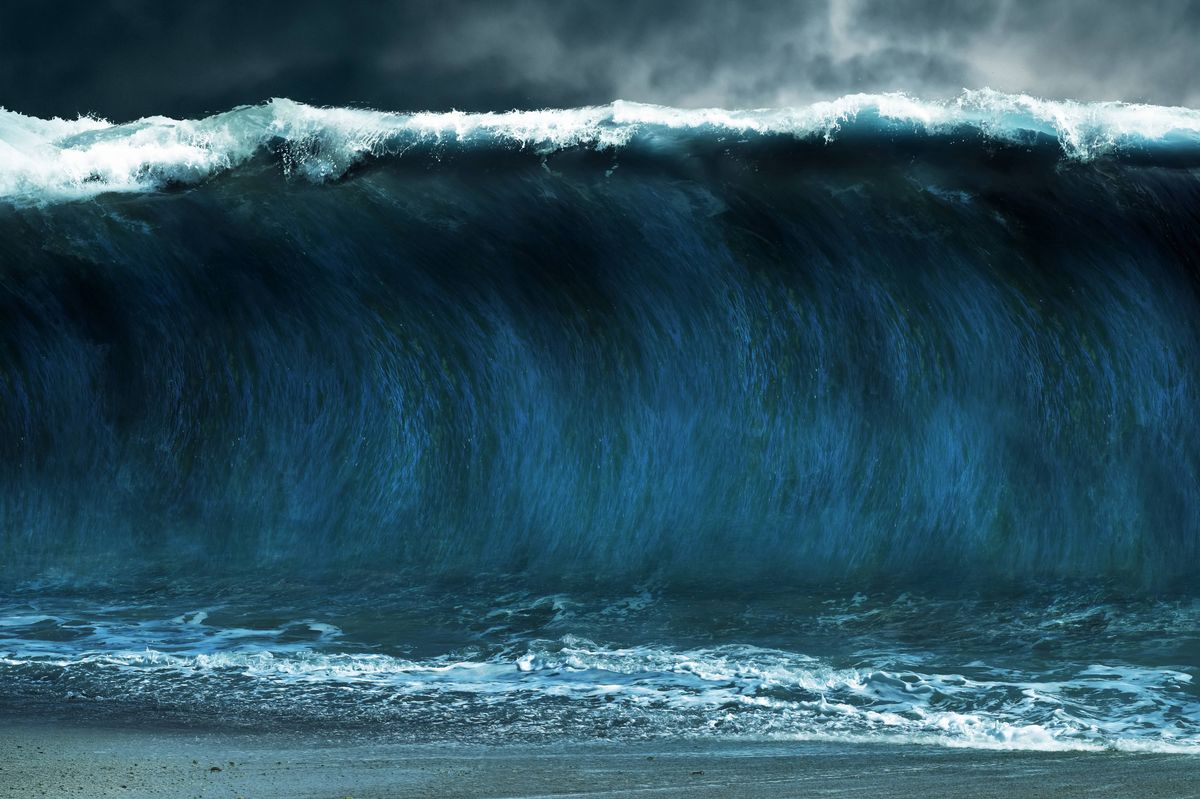
Scientists have finally proven a 160-metre-wide asteroid struck the North Sea, creating a 330ft wave
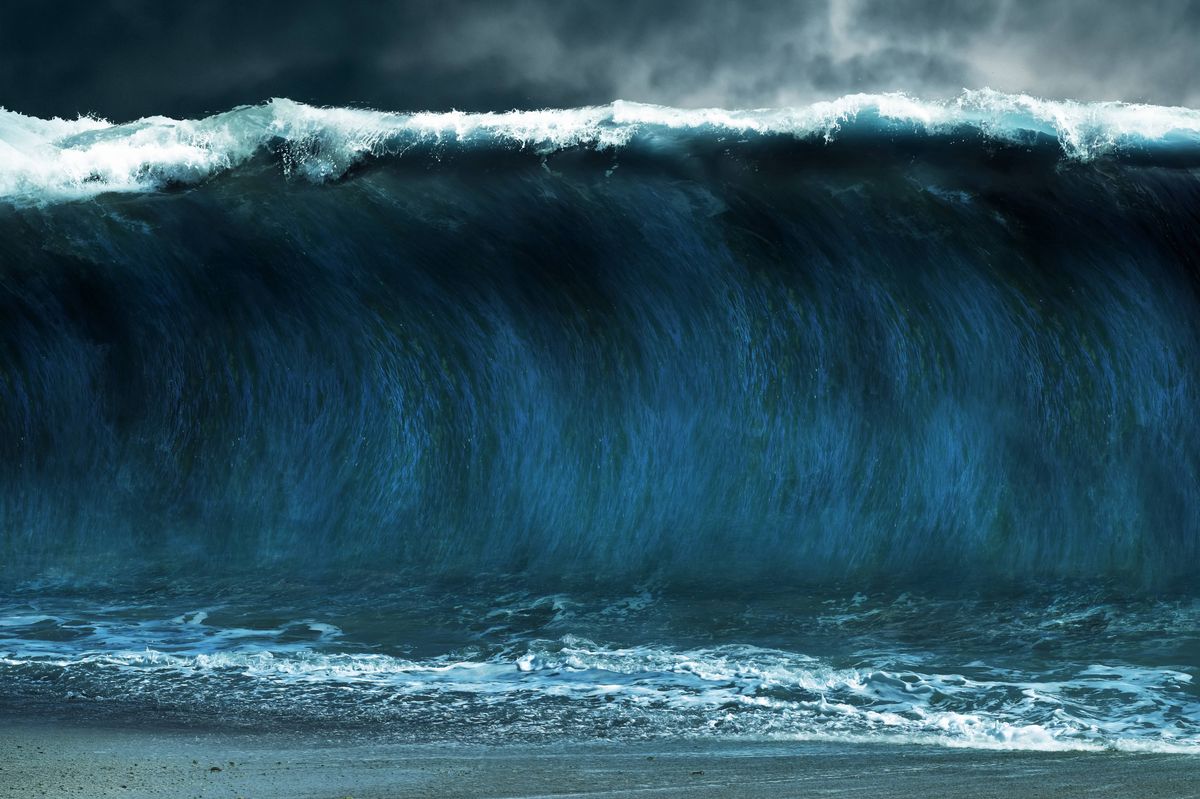
The asteroid smashed into the North Sea and caused a huge wave(Image: FOTOKITA via Getty Images)
A cosmic collision off the Yorkshire coast triggered a mega-tsunami taller than Big Ben that swept across the ancient North Sea – and scientists have finally confirmed it.
Following two decades of heated controversy, researchers say a 160-metre-wide space rock crashed into what is now the southern North Sea approximately 40 million years ago, creating a concealed crater and generating a wave exceeding 100 metres (330ft) in height.
Shocked minerals and state-of-the-art seismic imaging that leave ‘no doubt’ the enigmatic Silverpit structure – located 700 metres below the seabed and roughly 80 miles off the coast of Hull – is a rare, remarkably well-preserved impact crater, reports Science Daily.
The conclusion, published in Nature Communications, overturns years of scepticism. Since geologists first identified Silverpit’s distinctive bullseye formation in 2002 – a three-kilometre-wide crater surrounded by circular faults extending approximately 20km – experts have remained divided: asteroid impact, unstable underground salt deposits, or volcanic subsidence?
In 2009, a gathering of scientists voted against the asteroid hypothesis. However, the most recent evidence has demolished those reservations, reports the Daily Star.
Dr Uisdean Nicholson, from Heriot-Watt University in Edinburgh, who led the research, acknowledged his team has been “exceptionally lucky” after combining new seismic imaging with samples from an offshore oil well.
Buried at the depth of the crater floor, they discovered ultra-rare ‘shocked’ quartz and feldspar – microscopic crystals marked by pressures so extreme they can only be created in violent impacts. Dr Uisdean Nicholson said: “These prove the impact crater hypothesis beyond doubt.”
According to the team’s modelling, the asteroid struck from the west at a shallow angle, throwing up a 1.5-kilometre-high wall of seawater and shattered rock within minutes. When that towering curtain collapsed, it unleashed a colossal tsunami across the region – a prehistoric monster wave that would have dwarfed modern storm surges.
Prof Gareth Collins of Imperial College London – who attended the 2009 showdown and contributed the new simulations – called the fresh evidence “the silver bullet” that ends the row.
“We can now get on with the exciting job of using the amazing new data to learn more about how impacts shape planets below the surface,” he said.