


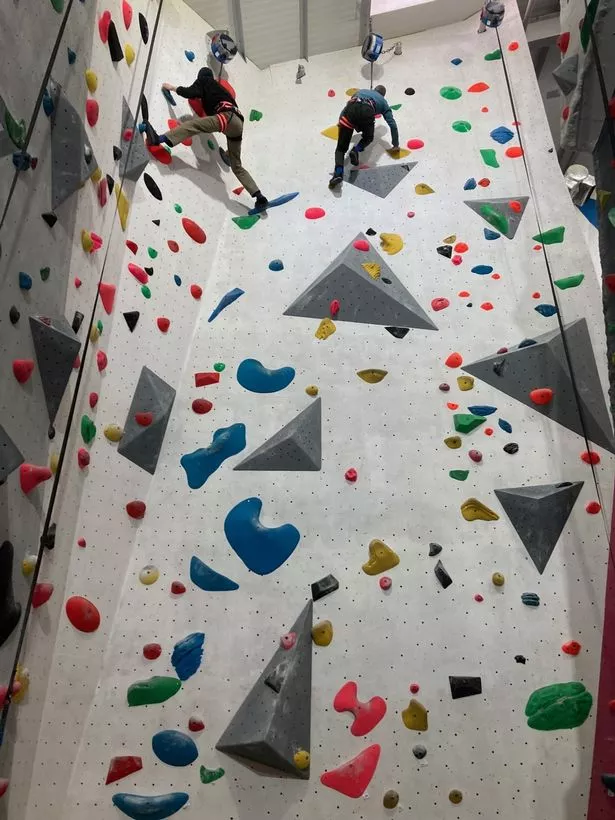
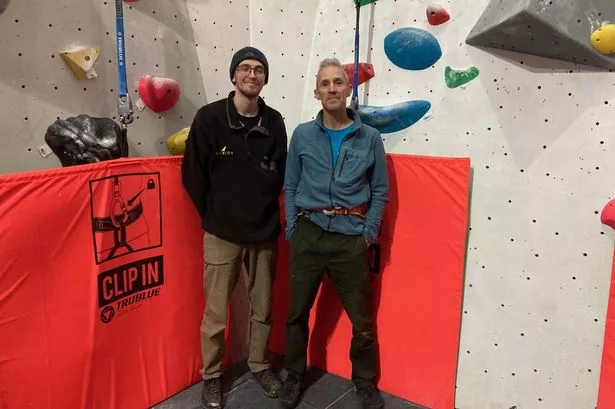
Climbers in Hull are helping to pioneer a new safety system which could make the activity more accessible. Rockcity climbing centre has installed more than 30 TRU-Clip auto belay devices across its walls, completely replacing traditional auto belays with the new system.
The investment is said to have put the Hawthorn Avenue centre at the forefront of global climbing safety. And it has opened up the sport to newcomers, families and casual participants.
Auto belays are devices that allow climbers to climb solo without a rope partner. Once clipped in, the device gently lowers the climber back to the ground at a steady, controlled pace.
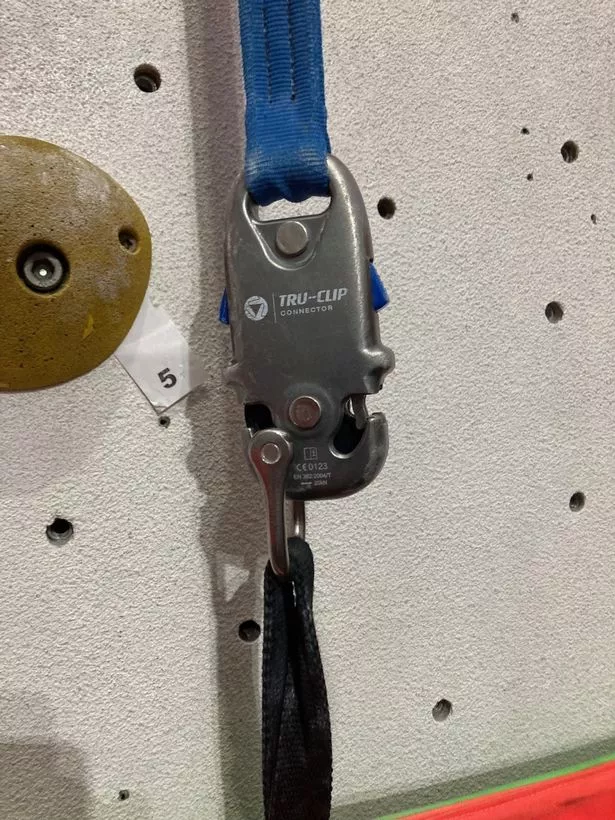
While auto belays have been used in climbing centres for many years, the TRU-Clip system introduces several new safety features designed to remove human error.
The fool proof system only works when connected to a dedicated harness that uses a metal D-ring – meaning climbers cannot attach themselves incorrectly. Each harness also has an electronic alarm that sounds a warning if someone starts climbing without being clipped in.
(Image: Rockcity)
Mark English, founder and managing director of Rockcity, said the decision to fully adopt the technology was driven by a long-standing commitment to safety. He said: “We’ve been in this game for 32 years and pretty much pioneered this kind of activity. Safety is the biggest concern, and keeping fun activities safe.
“When we saw this device and these series of improvements made for this secure system, we opted to go all in at significant cost. We’re the first centre in the world to adopt it throughout, which was a brave move on our part, but we could clearly see the benefits.
“The equipment in climbing doesn’t fail – people do. People can forget to clip in, even experienced climbers. This system takes away that risk entirely and stops anyone from accidentally climbing up a wall without being attached.”
The TRU-Clip devices are manufactured by Head Rush Technologies, a global leader in climbing safety equipment, and Rockcity has been using them successfully for a number of months. It is said to have been well received by regulars and first time climbers alike.
(Image: Rockcity)
Ben Marsden, route setter and coach at Rockcity, explained how the system works in practice and why it is such a step forward. He said: “The only way to be attached is with a harness with a D-ring, so there’s no possibility of clipping in incorrectly. Once you’re clipped in, there’s physically no way you can become unclipped until you come back down and reattach it at ground level.
“The harness alarms add another layer of protection. If someone starts climbing without being clipped in, it’s immediately obvious, and the system can only be reset by staff. Previously, even competent climbers could become complacent. This takes out that risk and makes climbing accessible to everyone. We give you a short induction, show you how it works, and then you don’t need an instructor with you for the session.”
Renowned climber Steve McClure, who has worked with Rockcity on route setting for more than 15 years, said the technology is empowering for climbers of all abilities. He said: “For the client base that Rockcity has, this is crucial. They have the full spectrum of climbers, from complete beginners to experts.
“Being able to give people the freedom to have a go on their own, without a coach and without risk, is really empowering. People can come in, try climbing for the first time, and be completely safe.”