


The local authority is proving to be one of the most successful in the country in responding to the issue, with a ‘100% swift response rate’
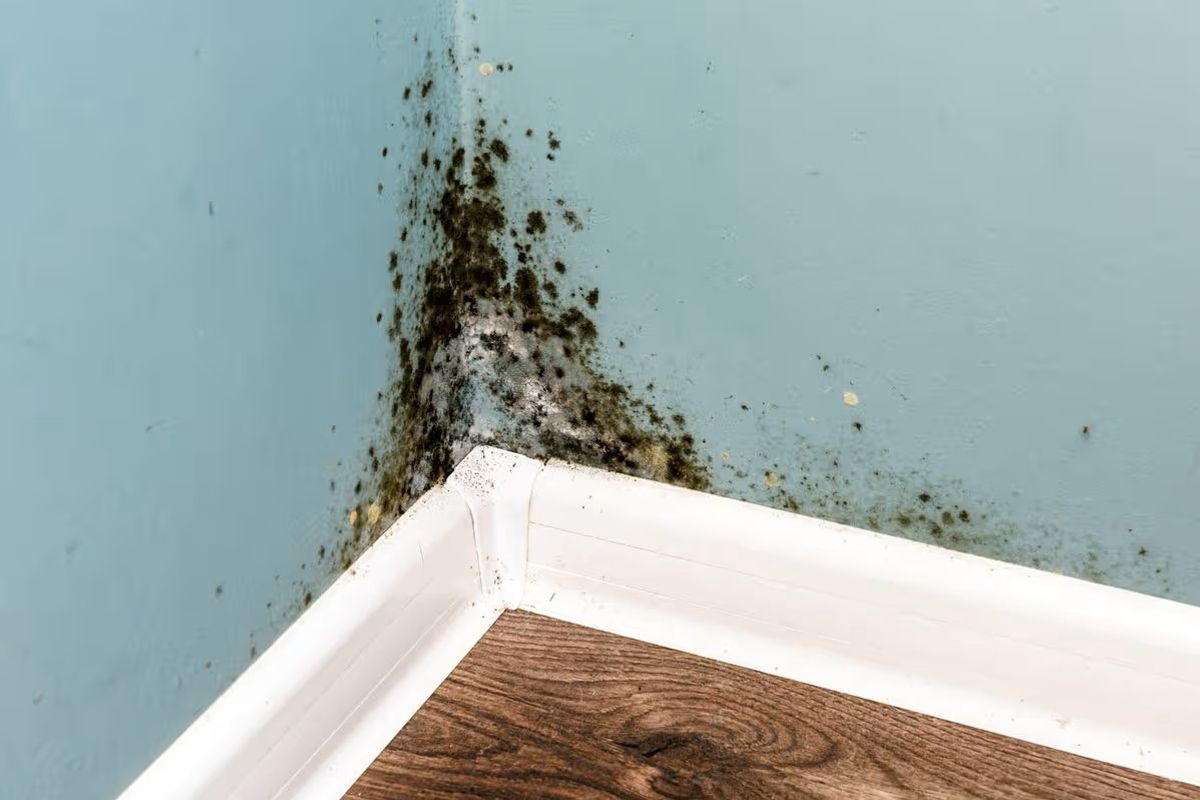
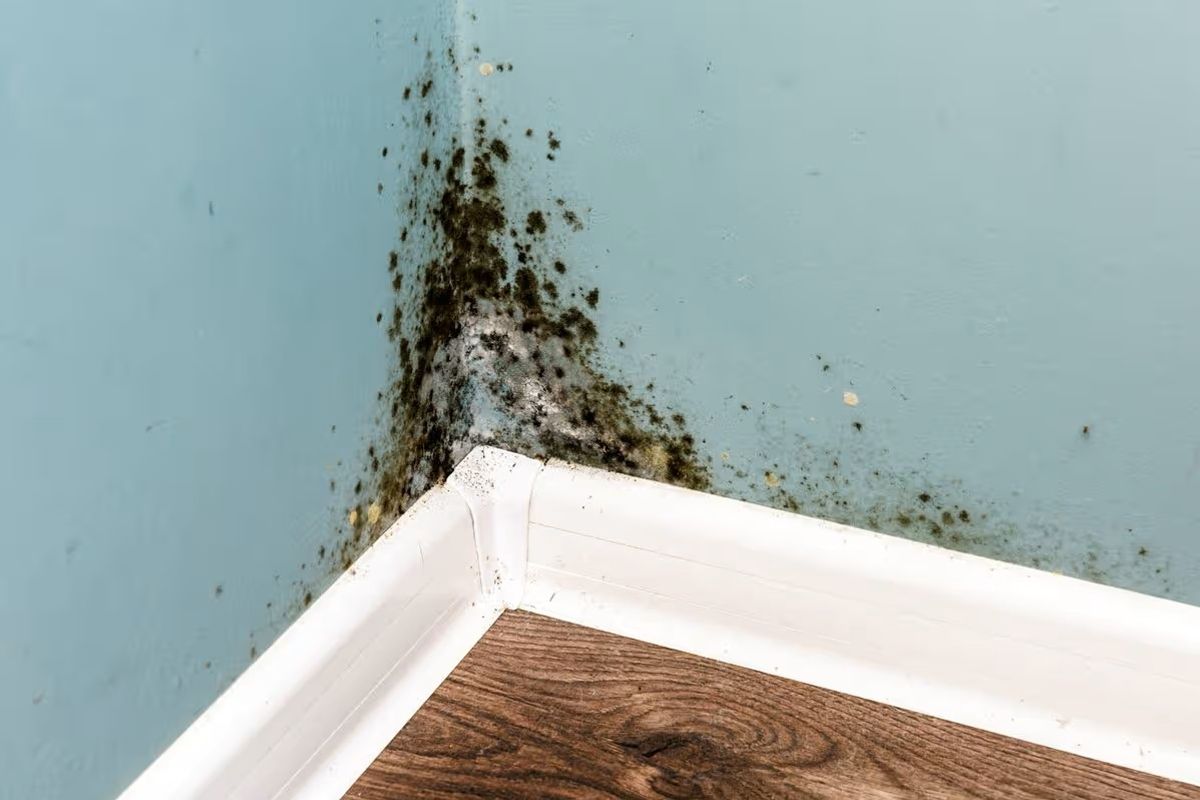
As well as being unsightly, mould can be a serious health hazard (Image: Getty Images/iStockphoto)(Image: Getty Images/iStockphoto)
Almost 2,000 significant and emergency damp and mould hazards have been reported to Hull City Council since landmark new housing legislation came into force last autumn. The local authority is proving to be one of the most successful organisations in the country in responding to the issue though, recording a flawless ‘100% swift response rate’ across every single case.
Councillors have praised both residents and council workers for making the industry-leading response times possible. But housing leaders do recognise there is still much to be done to improve homes around the region.
The figures, obtained through a Freedom of Information request by home-buying firm The Property Buying Company, detail reports submitted between October 27, 2025 and August 27, 2026, following the introduction of Phase 1 of Awaab’s Law.
Designed to protect social housing tenants from severe living conditions, the legislation mandates strict, legally binding timescales for local authorities to investigate and resolve severe damp and mould issues. It was introduced following the tragic and preventable death of two-year-old Awaab Ishak who died in December 2020 from a severe respiratory condition caused by prolonged exposure to black mould in his family’s Rochdale flat.
According to the new information request in Hull, 1,833 cases of damp and mould qualified under the high-priority thresholds. In total, Hull City Council recorded 1,631 reports of ‘significant’ damp and mould, alongside 202 cases classified as critical ’emergencies.’
Hull City Council’s housing maintenance team proves to be a standout performer
Hull City Council and its maintenance teams met their statutory compliance deadlines in 100 per cent of all reported significant and emergency cases, making the authority a standout performer nationwide. For the emergency situations reported – which demand immediate attention – council officers successfully investigated every single hazard within the strict statutory 24-hour window.
All 202 emergency hazards were rendered completely safe within that same 24-hour timeframe, ensuring residents were quickly protected from immediate health risks. In cases involving ‘significant’ damp and mould, where regulations require homes to be made safe within five working days of investigation, the council again achieved a perfect success rate.
Statutory guidelines also dictate that structural repairs or works to address underlying causes must begin within five days, or within 12 weeks where extensive repairs are required. Hull City Council met these requirements in all 1,631 instances, according to the latest data in the information request.
Beyond the hazards covered by Awaab’s Law, the local authority efficiently handled a further 1,595 lower-level damp and mould inquiries, proactively tackling minor issues before they could escalate into major health hazards. Cllr Paul Drake-Davis, Hull City Council’s portfolio holder for Economic Renewal and Housing, paid tribute to the hard work of council staff.
“I am grateful when tenants contact the Council swiftly at the first signs of damp and mould, as reporting a problem early is better than waiting until it worsens,” he said. “This allows the housing teams to tackle these issues promptly. It has also helped the Council attend 100% of reported emergencies within the specified timescales, as highlighted, by working closely with tenants, who kindly grant them access to their homes. I’d like to thank Council staff for their hard work in ensuring we are meeting commitments under Awaab’s Law.”
Residents offered advice on keeping homes ventilated
As the region heads into autumn, Cllr Drake-Davis also shared practical advice for householders, advising residents to keep properties well-ventilated by opening windows, using extractor fans while cooking or showering, and wiping away condensation quickly. He added that clothes should be dried outdoors when possible, or inside using a condensing dryer or externally vented tumble dryer.
The council’s record comes ahead of the introduction of Phase 2 of Awaab’s Law on November 30, which will expand statutory response requirements to cover additional household hazards including extreme temperatures, fire safety, electrical risks, and structural damage. Council tenants in Hull looking to report maintenance issues quickly are encouraged to use the authority’s myHousing mobile app, submit a report online via the Hull City Council website, or contact the housing team directly on 01482 300 300.
Earlier this month Hull City Council announced six Hull locations have been selected for 83 new council homes, after another funding win by the authority. Policymakers hope the scheme will revitalise underutilised land around the city and believe it will be a step forward in addressing the city’s housing needs.