


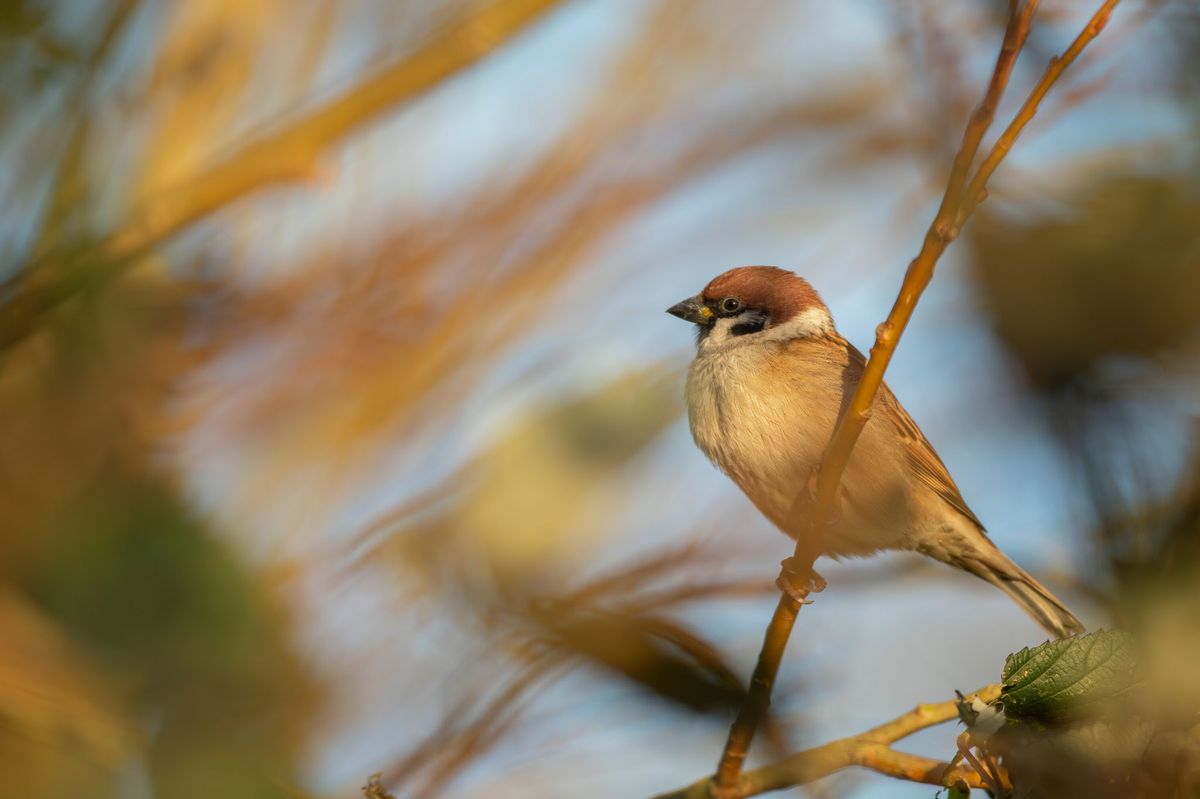
Tree Sparrows are seeing ‘catastrophic decline’ but are said to be ‘thriving’ in East Yorkshire, partly thanks to conservation efforts at RSPB Bempton Cliffs
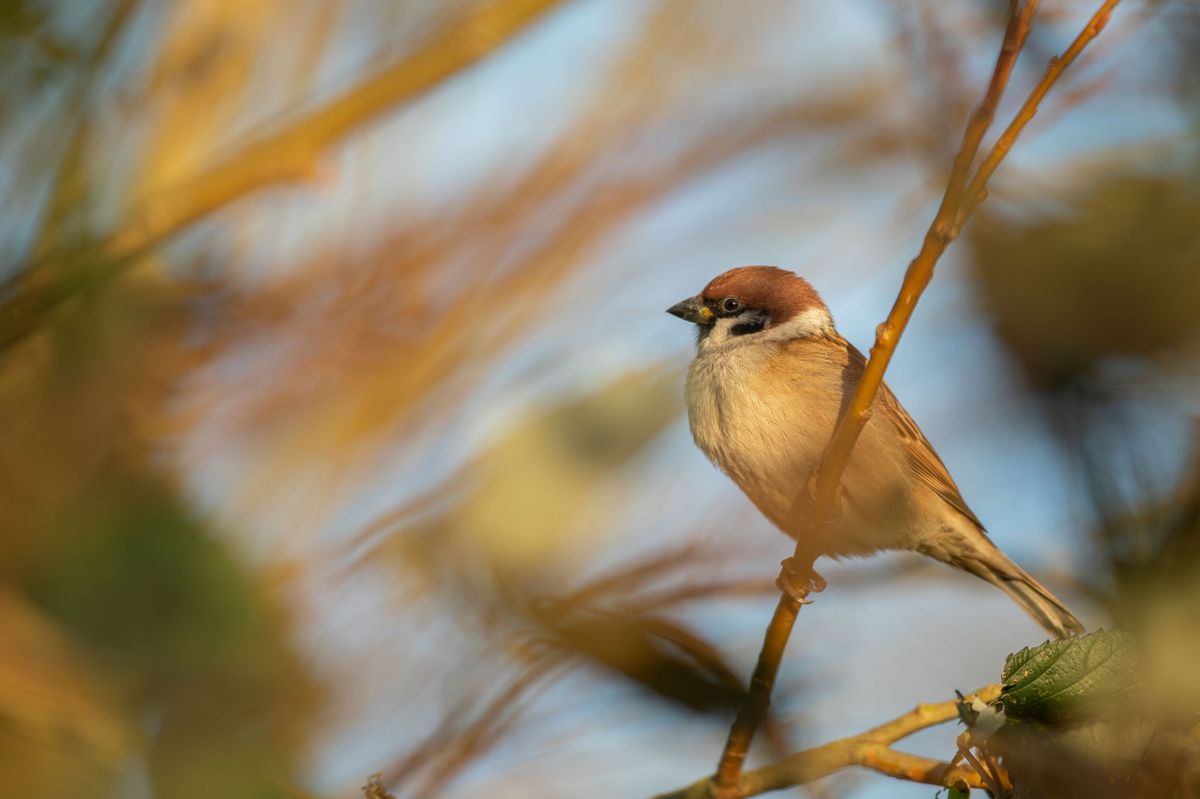
Tree Sparrow, also known as a ‘Spuggie’(Image: Ben Andrew)
A threatened farmland bird is thriving in East Yorkshire, bucking a national trend of “catastrophic declines” across Britain. RSPB Bempton Cliffs is giving the Tree Sparrow – affectionately known by bird watchers as ‘Spuggies’ – a late-summer boost, with a dedicated patch of sunflowers providing a food source for the declining bird species. Visitors are welcome to spot the sociable birds and enjoy the blooms.
This area of East Yorkshire has become a vital stronghold and the Tree Sparrows are said to be “thriving” at RSPB Bempton Cliffs. The splash of late-summer colour gives the colony an extra boost. The sunflowers will be left to seed and will be left to stand as natural bird feeders for Tree Sparrows and other farmland birds throughout the autumn and winter.
Tree Sparrows remain on the Red List of birds of highest conservation concern. The latest Breeding Bird Survey results reveal that numbers in England fell by 54 per cent between 2019 and 2024, reversing some of the recovery seen during the 1990s and 2000s. However, East Yorkshire remains a national stronghold. RSPB Bempton Cliffs has credited a combination of targeted habitat management, provision of nest boxes as well as holes in buildings and year-round food provision as helping maintain a healthy colony.
For now, visitors can enjoy Bempton’s sunflowers in full bloom, before the flowers begin the job for which they were planted and become an autumn seed feast for some of East Yorkshire’s most important little brown birds.
Wardens celebrated the latest news of 54 breeding pairs (or occupied nest boxes) successfully fledging 302 young this year, which works out as 5.59 chicks per pair. This is an increase when compared with five-years ago, when 48 breeding pairs (or occupied nest boxes) were recorded and 263 chicks fledged (2021 figures) which is 5.48 chicks per pair. This means 2026 was the second-best year since nest box monitoring began in 2017. Their most successful year was in 2023 when 407 chicks fledged from 59 pair. However, the following year only 165 fledged chicks from 39 pairs/boxes in 2024. This was thought in part to be down to a particularly wet and cold spring and summer.
While around half a million seabirds take to Bempton’s towering chalk cliffs to breed each year, away from the cliffs the RSPB has increasingly been managing the reserve’s farmland, grasslands, hedgerows and ponds for the wildlife of the wider East Yorkshire countryside.
Tree Sparrows are slightly smaller than House Sparrows and can be distinguished by their chestnut-brown caps, white cheeks and distinctive black cheek spots. Unlike House Sparrows, males and females look alike. They are social birds, breeding in loose colonies before gathering into larger flocks outside the breeding season – making Bempton one of the best RSPB reserves in the country to see and hear them.
Their local nickname – ‘Spuggie’ – along with variations including ‘spuggy’ – is an old northern English dialect word for a Sparrow, still affectionately used in Yorkshire and the Northeast. Poppy Rummery, visitor experience manager at RSPB Bempton Cliffs, said: “Our ‘Spuggies’ are often one of the first birds visitors encounter. They’re sometimes dismissed as just another little brown bird, but once you stop and watch them, they’re anything but boring. They’re noisy, sociable, full of character – and when you understand just how badly they have declined elsewhere, you realise how special it is to have so many here.
“The sunflowers look spectacular right now and visitors, as well as our butterflies and bees are enjoying them, but their real job is still to come. We’ll leave the seed heads standing to create a giant natural bird feeder for our Spuggies and other farmland birds this autumn and winter.”
Tree Sparrows were once much more widespread across the British countryside. Their numbers crashed dramatically during the late 20th century, and they have disappeared completely from many areas. Supplementary feeding of suet during the summer months also helps to support the Tree Sparrows during periods when natural food supplies may be limited. And the reserve’s position within a regional stronghold means there is regular movement of birds between colonies, helping to maintain a healthy and resilient population.
Reserve warden David Aitken has been ringing and studying Bempton’s Tree Sparrows for many years. Conservation work has included providing nest boxes, retaining nesting holes in buildings and creating and managing a mosaic of hedgerows, rough grassland, ponds, scrub, wildflower areas and crops grown specifically to provide seed and insect food for birds.
David explained: “We hope our new Sunflower patch will provide the birds with plentiful food throughout the winter. The success of Tree Sparrows partly depends on healthy surrounding populations too and we’re super lucky to be in the midst of a stronghold here and that is also part of our success.
“East Yorkshire remains incredibly important for Tree Sparrows and we’re fortunate to have a strong colony at Bempton, particularly when you consider what has happened to this species nationally. But it isn’t simply a case of putting up a few nest boxes. For Tree Sparrows to thrive they need the whole package – somewhere safe to nest, insects for their chicks, hedgerows and rough grassland for shelter and enough seed to see them through autumn and winter.
“That is why we have increasingly geared the management of the land towards creating a diverse mosaic of good farmland habitat. The sunflowers are the latest piece of that jigsaw. Tree Sparrows are also an indicator of the health of the wider countryside. If we get the habitat right for them, we get it right for a whole host of other wildlife too. Bempton shows just what can be achieved when those different habitats and food sources are put back into the landscape.”
Did you know you can make Hull Live a preferred source of Hull news in Google, which will mean you get more of our breaking news, exclusives, and must-read stories straight away? Here’s more information about what this means and how to do it – you can also do it straight away by clicking here .