


‘This is a real success story for the Humber in what is now the fiftieth year of protecting these special birds’
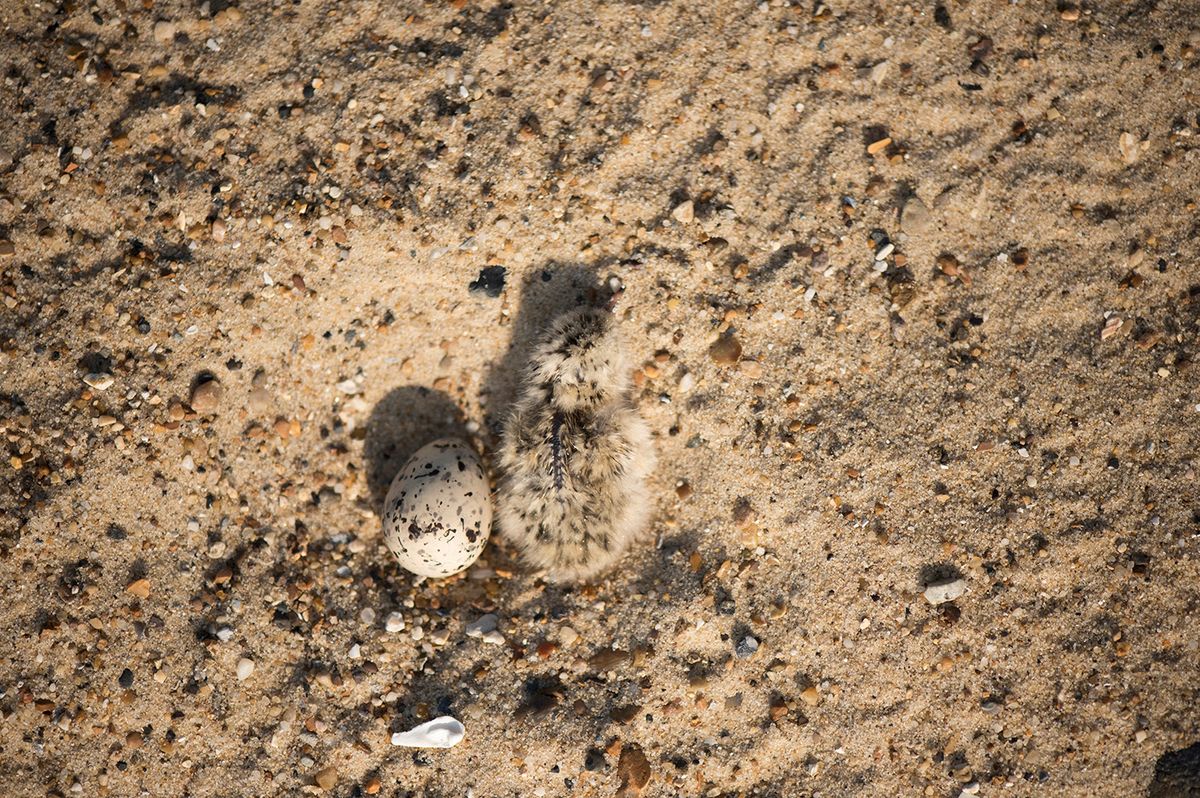
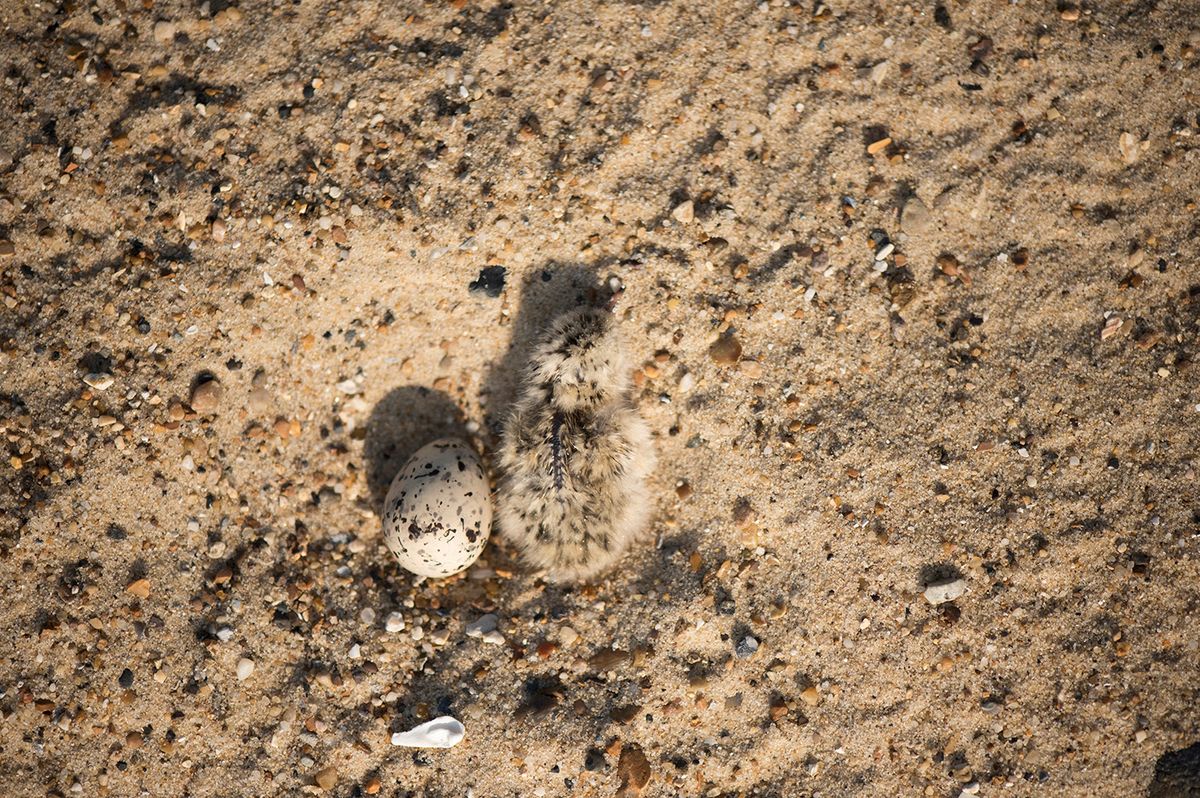
Newly hatched Little Tern chick and unhatched egg(Image: Ben Andrew)
Yorkshire’s only remaining Little Tern colony is celebrating a major milestone, with breeding pairs at Beacon Lagoons reaching their highest level in 50 years. Breeding pairs rose to 116 in 2026, up from 105 in 2025 and just 59 in 2024. 149 Little Tern chicks fledged this summer, compared with 107 in 2025, marking a dramatic increase for one of the UK’s rarest seabirds.
The success at the site, near Kilnsea, follows habitat management completed in the spring. Teams cleared encroaching vegetation to recreate the open sandy areas essential for nesting.
Throughout the summer, three wardens and a team of volunteers provided round-the-clock monitoring to protect the birds. Lead warden Tate Lloyd, alongside assistant wardens Eleanor Biggs and Ursula Scuderi, logged hundreds of hours guarding the colony.
Tate Lloyd, said: “I’ve been working on this project for three years now and I keep coming back for more! Every year watching the Little Terns arrive, nest and raise their chicks has been something very special. The local community here has helped us to protect these precious birds too, helping to ensure the Little Terns have been given the space they need to nest and breed. Everyone is proud of what’s been achieved.”
The protection scheme is led by the Spurn Bird Observatory Trust, supported by the RSPB, Yorkshire Wildlife Trust, Natural England, the Environment Agency, Humber Nature Partnership, and the South Holderness Countryside Society. The project has received funding from the Heritage Lottery Fund.
As the UK’s smallest tern, the short-tailed seabird is easily identified by its fast flight and distinctive yellow bill with a black tip. Every spring, the birds migrate from wintering grounds in West Africa along the East Atlantic Flyway – a major migration corridor used by around 90 million birds each year.
Its vulnerable nesting sites and its decline in Europe make it an Amber List species, meaning its population has undergone moderate declines. It is also listed as a Schedule 1 species under the Wildlife and Countryside Act, meaning it is afforded enhanced protection due to its rarity and sensitivity to disturbance.
Mike Pilsworth, RSPB Conservation Officer and chair of the Beacon Lagoons Little Tern Protection Scheme steering group, said: “I feel proud of everyone who has played their part in this vital work. I’ve been involved in the project for nearly 30 years and it’s amazing to see the population increasing when there are so many species not doing well. As the only Little Tern colony in Yorkshire, Beacon Lagoons is vitally important for the future of this species. This is a real success story for the Humber in what is now the fiftieth year of protecting these special birds. We want to especially thank all the volunteers and local people who have helped along the way.
“The Little Terns love the beaches of the UK and it’s amazing to think that they have been nesting here since the last Ice Age. They are a bird that, without our help, we would have lost because they require undisturbed beaches free from disturbance from people and dogs. So much of our coastal habitat is now off-limits to these birds as a result, so we need to ensure Little Terns also have space to nest and raise their chicks.”
Despite recent triumphs, long-term risks remain. Coastal erosion and rising sea levels threaten to make Beacon Lagoons unsuitable for nesting within the next two decades. Conservation organisations are already scoping alternative, disturbance-free locations along the Humber to ensure the long-term survival of the region’s Little Terns.