


Most road-legal e-bikes are classed as electrically assisted pedal cycles (EAPCs).
To qualify, they must have pedals that can propel the bike, have a motor rated at no more than 250W and stop providing electric assistance above 15.5 mph.
It is illegal if its motor exceeds the legal power limit or if it continues providing electric assistance above the maximum permitted speed.
Once a bike no longer meets the legal definition of an EAPC, it can be treated as a motor vehicle under road traffic laws. This means riders need insurance, a driving licence, a vehicle registration and an approved helmet.
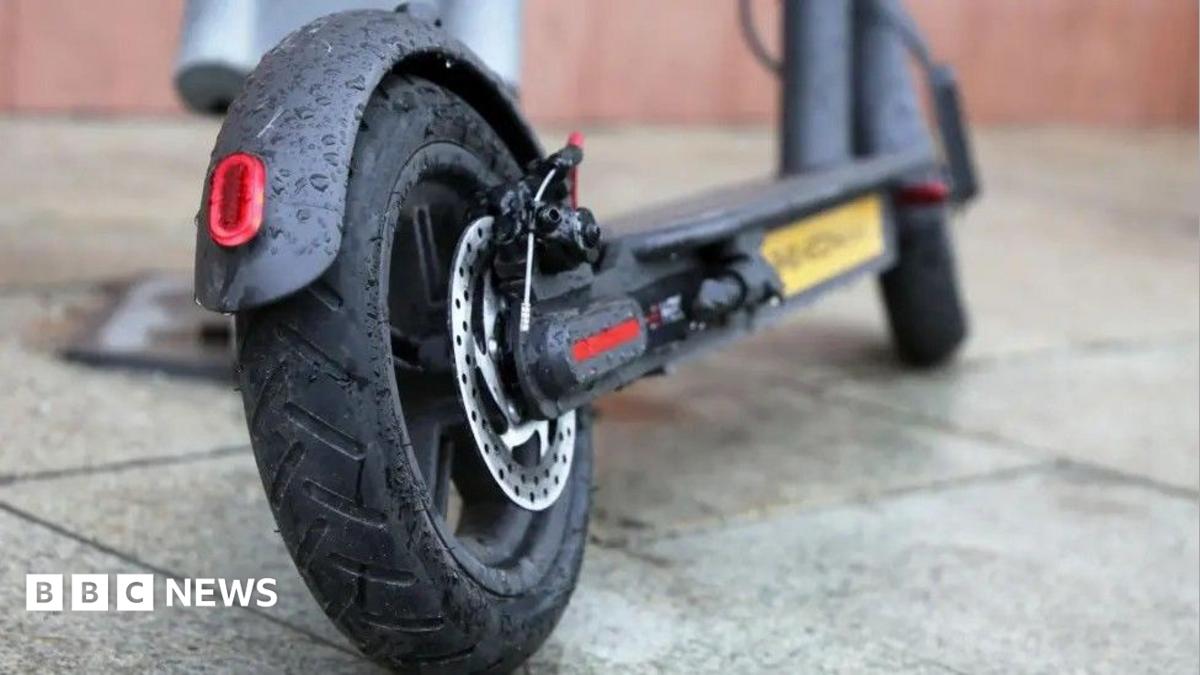
It is illegal to ride a privately owned e-scooter in public, external, including on pavements, on roads and in parks.
The Department for Transport defines an e-scooter as having two wheels, no pedals and a maximum continuous power rating of 500W.
Ieronimo said: “In both cases, with e-scooters and e-bikes, we’re seeing these modifications and they’re just going far too fast for the areas that they’re used in.”