


‘We cannot take the arrival of puffins and other seabirds back to our shores for granted’
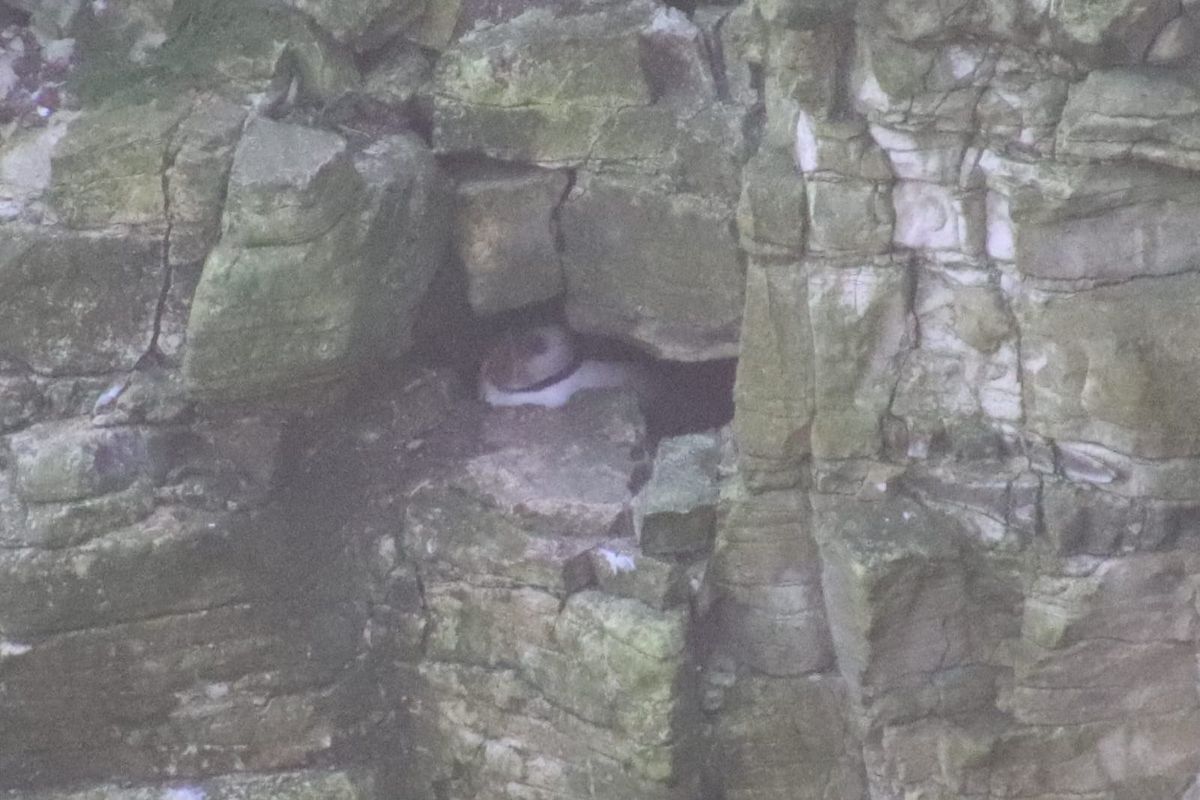
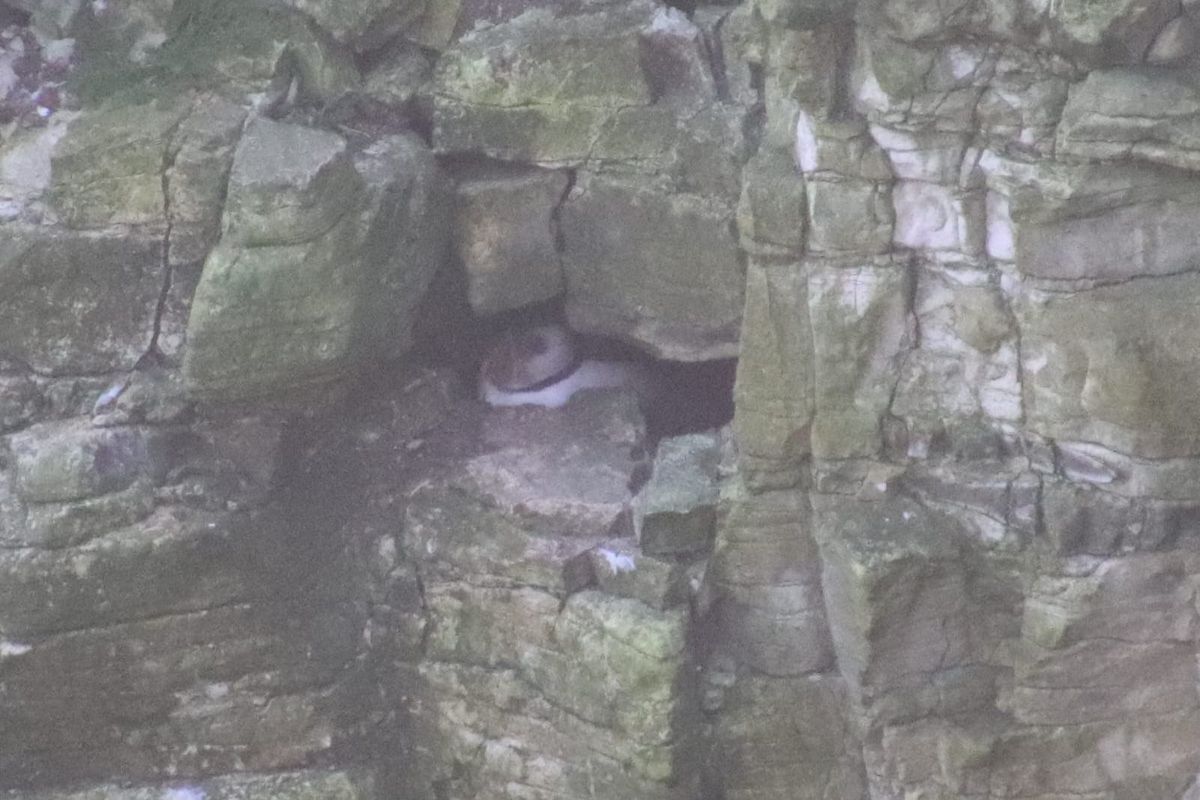
First Puffin spotted back in Yorkshire.(Image: RSPB images)
The first puffin has arrived back at RSPB Bempton Cliffs on the East Yorkshire Coast. The nature reserve’s conservationists will be watching closely as the seabird breeding season begins.
Puffins are distinctive birds with their black back and white underparts, black head with large pale cheeks and their tall, flattened, bright, multi-coloured bill. Its comical appearance is heightened by its triangular red and black eye-markings and bright orange legs and has earned it the nicknames Sea Parrot and Clown of the Sea.
Many visitors visit Bempton Cliffs to spot puffins, however, some people may not realise that they are on the red list of conservation concern, meaning it is among the most threatened seabirds. Around 3,000 puffins breed at the site each year.
RSPB Bempton Cliffs is home to one of the UK’s largest mainland seabird colony. Around half a million seabirds – including Gannets, Kittiwakes, Guillemots and Razorbills as well as the puffins – breed here each year, creating one of the UK’s greatest wildlife spectacles.
Sadly, there have been concerns this season following recent ‘seabird wrecks’, which have seen puffins washing up along parts of the Yorkshire and Northumberland coastline. The reason so many birds have died at sea this year, is not yet clear – though stormy weather, reduced fish availability and bird flu could be causes.
Poppy Rummery, RSPB Visitor Experience Manager said: “It’s always a special moment when our first Puffin returns to Bempton — they bring so much joy and energy back to the cliffs and visitors absolutely love seeing them up close. While we’ve sadly seen recent ‘seabird wrecks’ along our coastline, events like this remind us just how important places like Bempton are.
“By protecting their nesting sites and improving the health of our seas, we can give them the best possible chance to recover and thrive. That’s why conservation action now is so crucial. Every positive step helps build stronger, more resilient seabird populations for the future.”
The RSPB’s new “Save Our Seabirds” campaign will be officially launched 14 April on World Puffin Day. It is hoped to raise £250,000 and donations will support the RSPB’s Marine Recovery Programme to put seabirds and marine life on track for recovery.
Did you know you can make Hull Live a preferred source of Hull news in Google, which will mean you get more of our breaking news, exclusives, and must-read stories straight away? Here’s more information about what this means and how to do it – you can also do it straight away by clicking here.
Yorkshire’s puffins will continue arriving throughout April, staying to raise their pufflings — with each pair laying just one egg — before departing again at the end of July. They spend the winter at sea, widely dispersed across the North Sea and eastern North Atlantic Ocean.
Dave O’Hara, Senior Reserve Manager, RSPB Bempton Cliffs, said: “I love this time of year. As the sun rises over our rugged coastline, I’m lucky enough to spot the silhouettes of Puffins arriving home to nest. It’s a joy to hear the gasps of delight from school children, walkers and keen bird watchers.
“These birds have faced real challenges in recent years, but there is hope. Thanks to conservation efforts — including our successful campaigning to end industrial Sandeel fishing, thus protecting their food sources — we now have an opportunity to turn the tide. Campaigns like Save Our Seabirds are about making sure future generations can experience this incredible spectacle for decades to come.”
RSPB’s director for conservation, Katie-Jo Luxton, added: “Our seabirds face many pressures: overfishing and climate change affecting food availability, poorly planned offshore marine development excluding them from key habitats and the ongoing impacts of bird flu. We therefore cannot take the arrival of Puffins and other seabirds back to our shores for granted. Our campaigning work has brought about the end of industrial sandeel fishing in the English North Sea, providing a lifetime for hungry puffins, but we need to do more to restore and protect the marine habitats these birds call home. Our new campaign will go towards our world-leading science, helping us to save our precious seabirds, while we still have the chance”.
People can donate to the RSPB “Save Our Seabirds” campaign here: www.rspb.org.uk/sos
To find all the planning applications, traffic diversions, road layout changes, alcohol licence applications and more, visit the Public Notices Portal.