


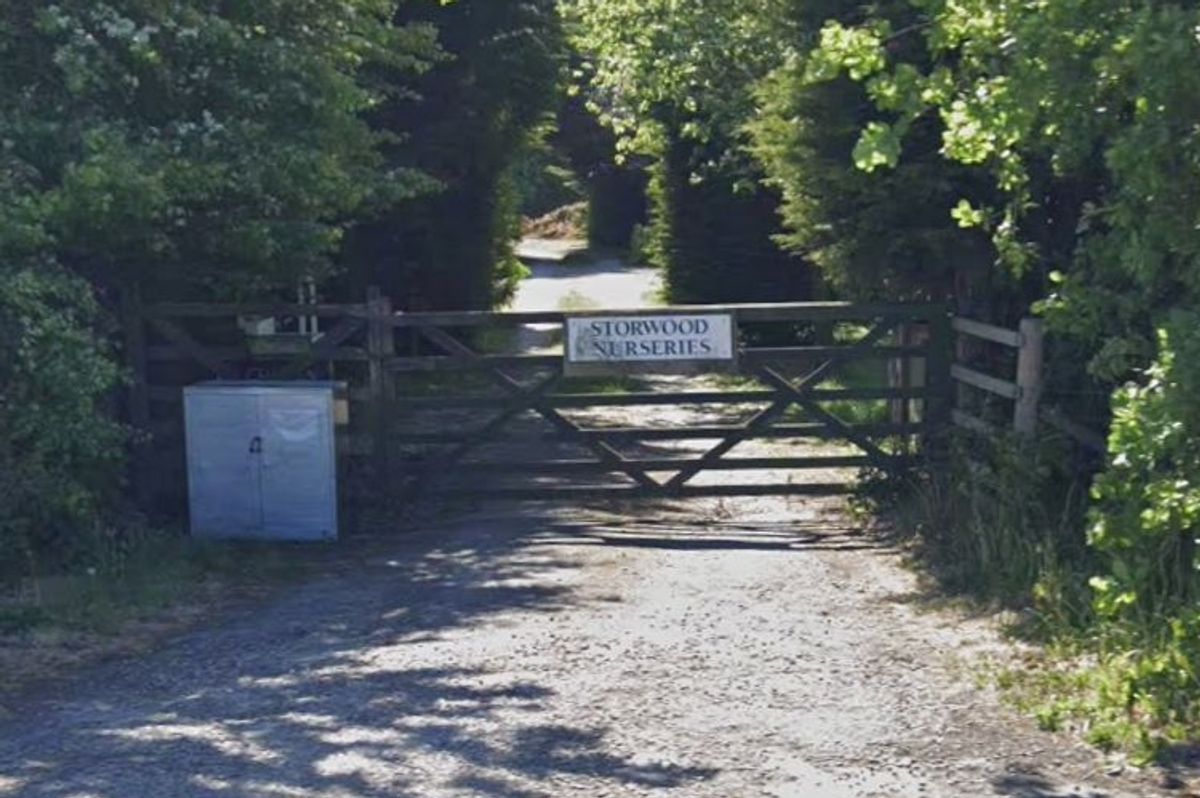
East Riding Council claimed the cabin had been deliberately concealed from the authority
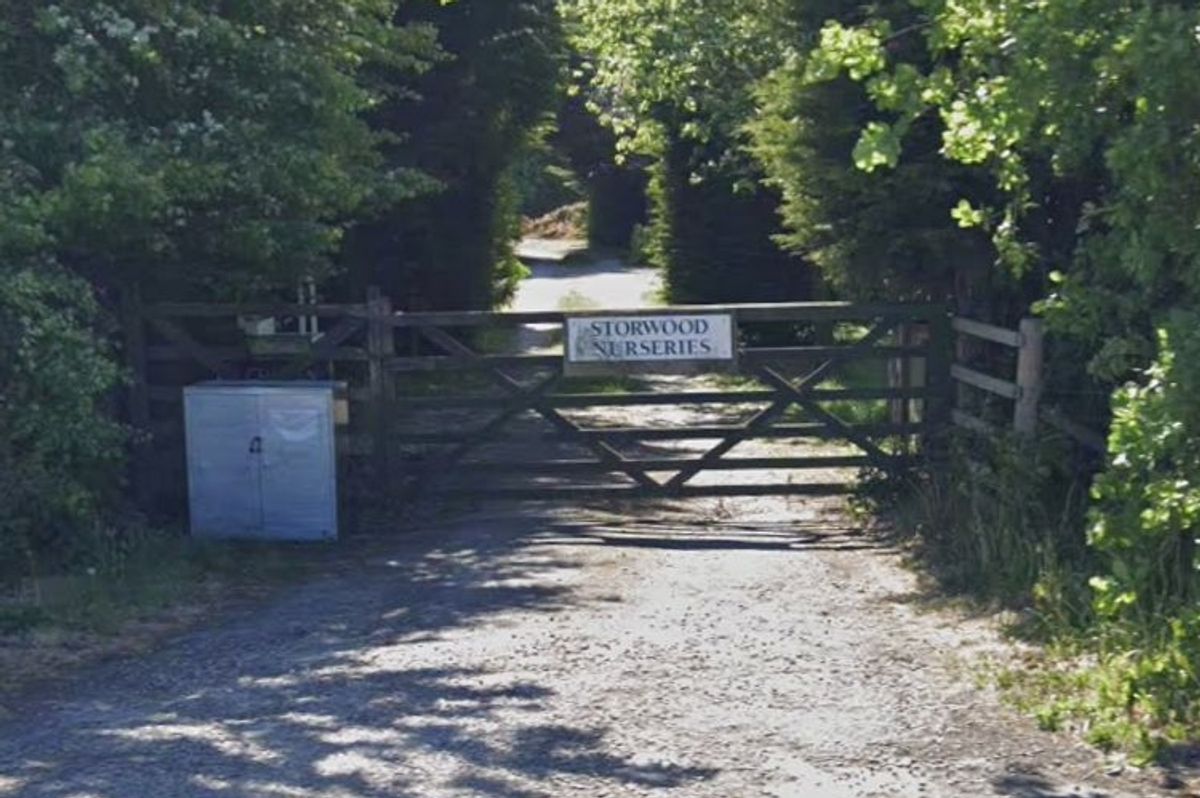
Storwood Nurseries, as seen from Hagg Lane(Image: Google Maps)
A local land owner has seen partial success in a long-running dispute with East Riding Council over a timber cabin on his land. The council’s decision to refuse the owner a Certificate of Lawfulness for the cabin has been overturned at appeal.
In June 2025, the council refused an application for a Certificate of Lawfulness for the erection and continued use of a cabin as a house. The property in question is at Storwood Nurseries, Storwood.
The planning statement submitted to East Riding Council explains that part of the Storwood Nurseries site is owned by the applicant, Mr McClure. In November and December 2014, the plans claim, “a cabin was erected on the nursery site and occupied as a dwelling by Mr McClure in December 2014.”
The application to the council argued that the cabin is lawful and immune from enforcement action as it was completed over ten years ago. Despite the rules having changed for buildings built after April 2024, if a structure is undetected for four years after having been structurally completed, the council cannot enforce its demolition.
The council rejected the application, claiming the cabin had been concealed from authorities with McClure failing to pay council tax or register to vote at the address. The report explains that Mr McClure was registered for council tax, and to vote at a separate address in Pocklington from 2015 – 2017. It is also said: “There is no evidence relating to residential occupation of the cabin until 2021, when letters addressed to Mr McClure first appear.”
The report add: “The building and its occupation was only made aware to the council following a complaint made about noise disturbance from this address in April 2024.” The report adds that “due to the concealment of the building and its use” the timeline of the 4 year rule “would commence once the council first became aware of the breach of planning.”
After the application was rejected, the goalposts for the application’s success were moved at appeal. The planning inspector, who ultimately overruled part of the council’s verdict, confirmed that Mr McClure had dropped the part of the application relating to the use of the cabin, and was simply seeking to challenge the lawfulness of the building of the cabin.
The inspector explained that due to the reduced grounds of the appeal, East Riding Council withdrew its “deliberate concealment” argument. The appeal, therefore was just to establish whether the physical building had been in position for the required four-year period to achieve immunity.
The planning inspector said the claim that the cabin was built in 2014 “is consistent with aerial photography of the site provided by the appellant. The council does not contest the appellant’s version of events to that extent.”
The inspector therefore found the council’s refusal to grant a Certificate of Lawfulness for the building of the cabin to be “not well-founded,” and was overturned. However, as the application for residential use of the cabin was withdrawn, the inspector’s verdict simply protects the cabin from being demolished by the authorities. It does not allow Mr McClure to use the cabin as a home.
Is Hull the best place to live in Yorkshire? You can have your say by completing the poll below or by clicking here .