


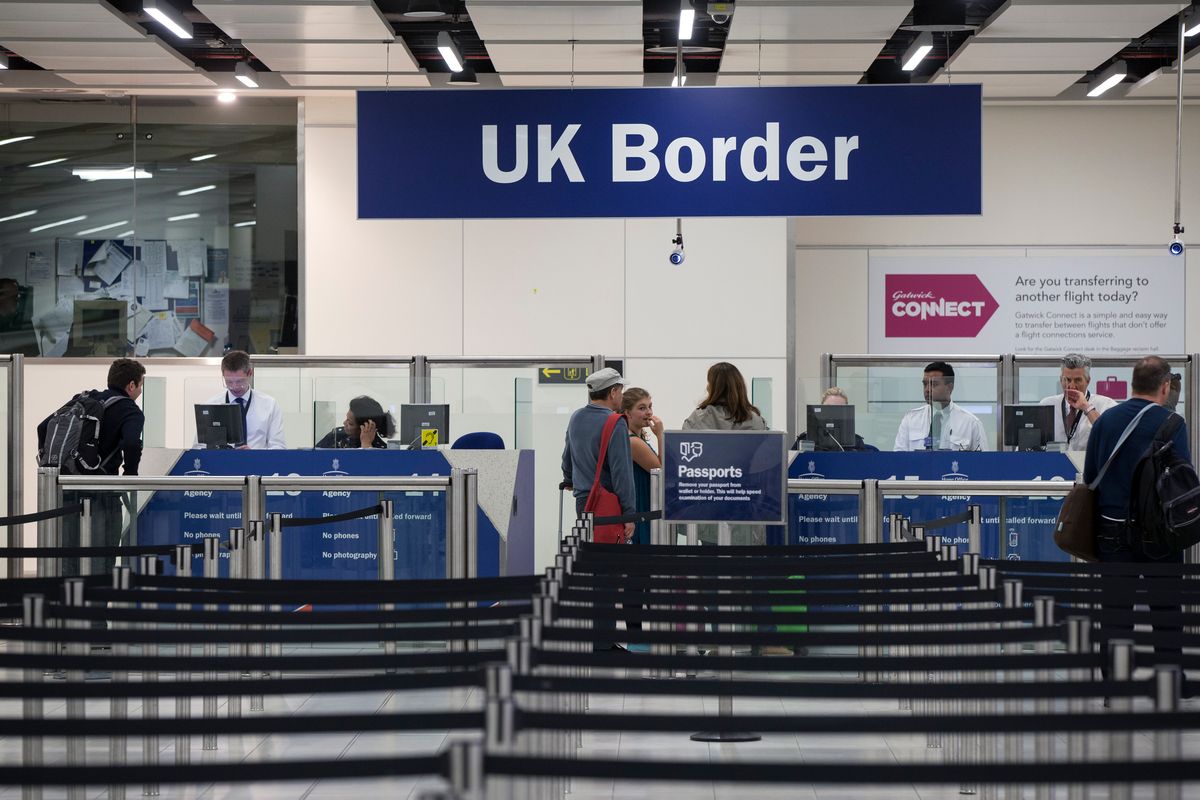
Even if a sandwich or drink is bought at duty free it could fall foul of strict rule
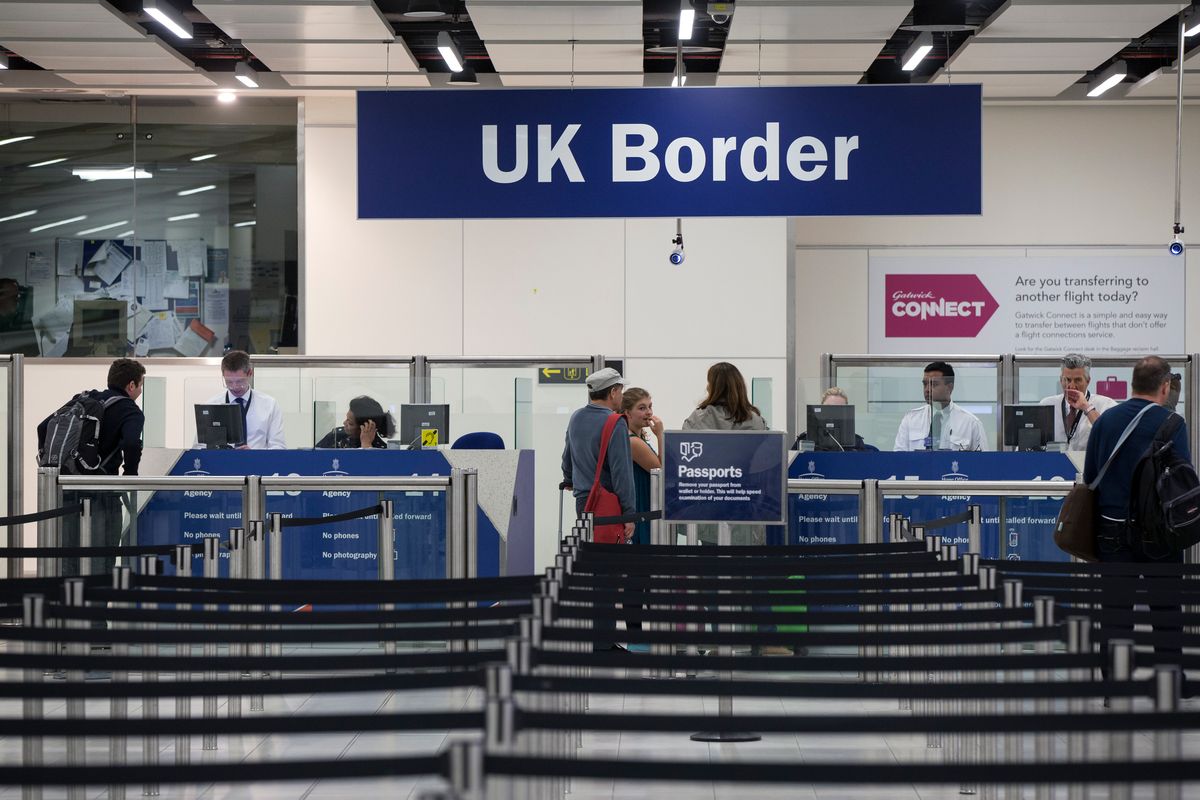
A ban of some food items has been extended meaning travellers into Great Britain could face fines(Image: Getty Images)
A Government ban on people bringing food from the European Union into the UK has been extended, ministers have confirmed. The measures mean that if border and customs officials find the items, which many will buy at duty free, they will be confiscated. destroyed and the person could be subject to a fine.
This week it was confirmed that the measures to prevent the spread of foot and mouth disease (FMD) following a rising number of cases across Europe will continue into 2026. Travellers are banned from bringing cattle, sheep, goat, and pig meat, as well as dairy products, from EU countries into Great Britain for personal use, to protect the health of British livestock, the security of farmers, and the UK’s food security.
This includes bringing items like sandwiches, cheese, cured meats, raw meats or milk into Great Britain – regardless of whether it is packed or packaged or whether it has been bought at duty free.
The Department for Environment, Food and Rural Affairs has confirmed the ban would remain in place. Labour ’s Dr Rosena Allin-Khan asked the Secretary of State for Environment, Food and Rural Affairs Emma Reynolds: “Whether her Department plans to end temporary restrictions on the import of (a) meat, (b) dairy and (c) animal products from the European Union in the context of the World Organisation for Animal Health’s recognition of all European Union member states as free from foot-and-mouth disease.”
Dame Angela Eagle Minister of State (Department for Environment, Food and Rural Affairs) confirmed the ban was still in place: “Restrictions on commercial imports of certain meat, dairy and animal products from Slovakia in response to foot and mouth disease (FMD) remain in place pending UK recognition of FMD freedom.
“Restrictions on personal imports of certain meat, dairy and animal products from the EU will remain in place while the biosecurity risk remains. As well as FMD, these measures mitigate against incursions of other animal diseases circulating in the EU, including African swine fever, sheep pox and goat pox, peste des petits ruminants and lumpy skin disease.”
Whilst FMD poses no risk to humans and there are no cases in the UK, it is a highly contagious viral disease of cattle, sheep, pigs and other cloven-hoofed animals such as wild boar, deer, llamas and alpacas, and the outbreak on the continent presents a significant risk to farm businesses and livestock.
FMD can cause significant economic losses due to production shortfalls in the affected animals, as well as loss of access to foreign markets for animals, meat and dairy.
The Government has already banned personal imports of cattle, sheep and other ruminants and pig meat as well as dairy products, from Germany, Hungary, Slovakia and Austria in response to confirmed outbreaks of FMD in those countries.
Restrictions on meat, dairy and animal products for human consumption
You cannot bring in any of the following:
- cheese, milk and dairy products like butter and yoghurt
- pork
- beef
- lamb
- mutton
- goat
- venison
- other products made from these meats, for example sausages
The new restrictions apply only to travellers arriving in to Great Britain. When the ban was announced Farming Minister Daniel Zeichner said: “This government will do whatever it takes to protect British farmers from foot & mouth.
“That is why we are further strengthening protections by introducing restrictions on personal meat and dairy imports to prevent the spread of the disease and protect Britain’s food security.”
Information for travellers entering GB
The Department for Environment, Food and Rural Affairs said: “It is illegal for travellers from all EU countries entering Great Britain to bring items like sandwiches, cheese, cured meats, raw meats or milk into the country. This is regardless of whether it is packed or packaged or whether it has been bought at duty free.
“Detailed information is available for the public which sets out a limited set of exemptions from these rules. For example, a limited amount of infant milk, medical foods and certain composite products like chocolate, confectionery, bread, cakes, biscuits and pasta continue to be allowed.
“Those found with these items will need to either surrender them at the border or will have them seized and destroyed. In serious cases, those found with these items run the risk of incurring fines of up to £5,000 in England.”