


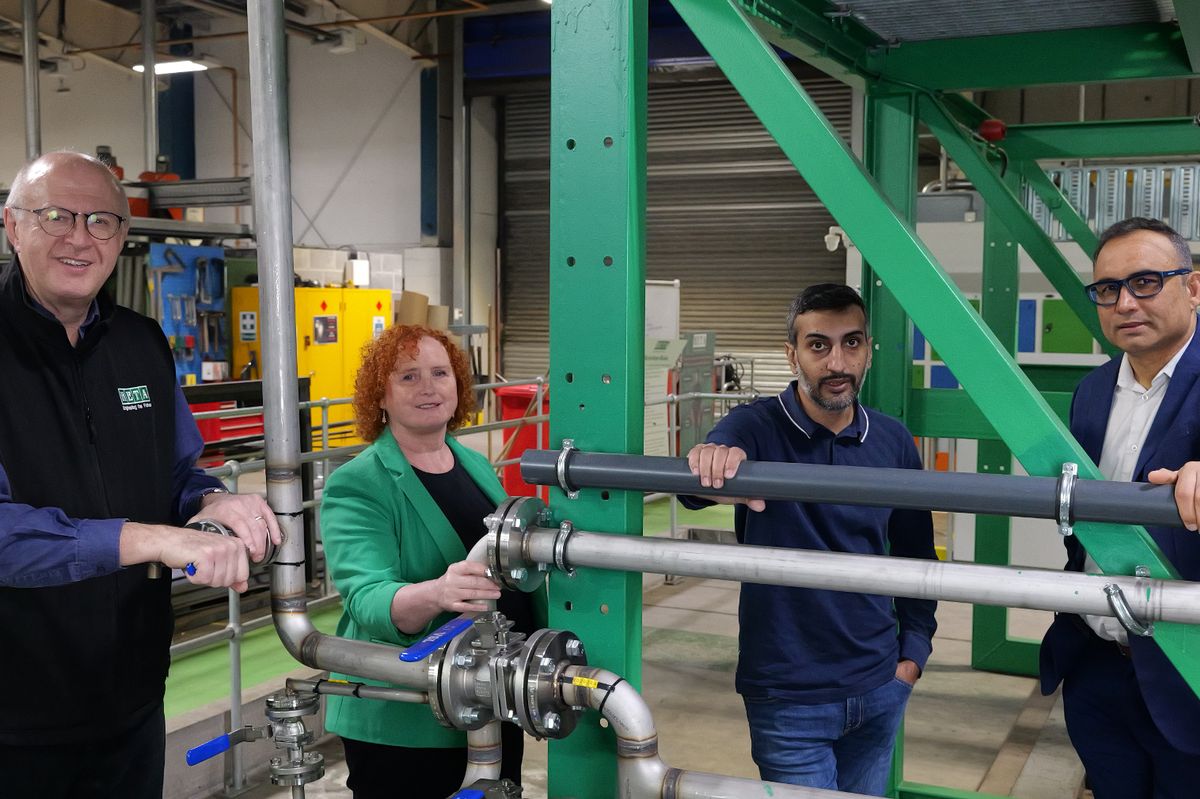
The new technology will give businesses the opportunity to test new ideas
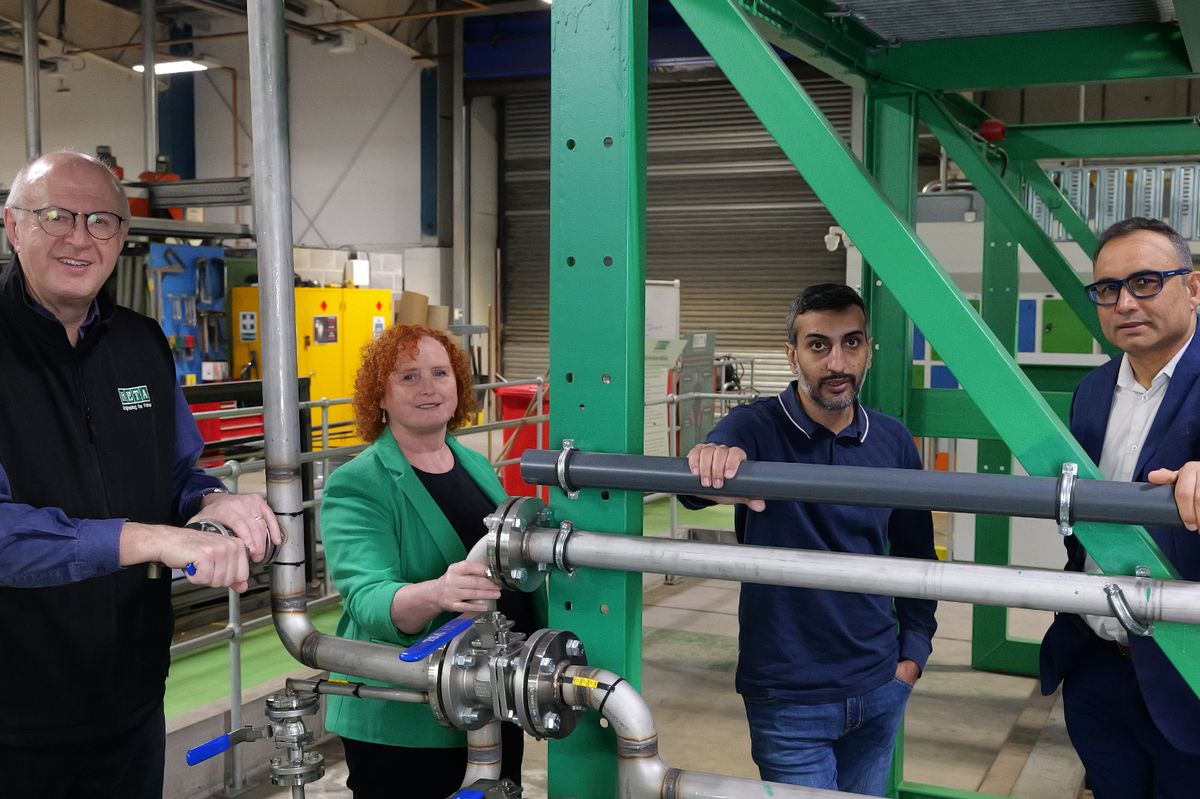
A new digital approach to teaching industrial skills is being led by the University of Hull and one of the region’s top training providers. Humberside Engineering Training Association (HETA) and the University of Hull are working together on a Knowledge Transfer Partnership to create digital twins of existing training rigs that will allow businesses to try new ideas without disrupting their own production.
HETA and the university have secured money from innovation funding body Innovate UK to carry out the project which will create “digital twins” of existing training rigs. They say the move can benefit firms across the Humber region and further afield.
Dansom Lane-based HETA invested in the rigs five years ago. They provide an opportunity for apprentices, particularly in the petrochemicals sector, to get to grips with the duties required of them in industry – including starting up and shutting down processes, monitoring and sampling and adjusting process conditions.
Dhaval Thakker, professor of AI and Internet of Things at the University, said the project will help HETA upgrade its plant and in doing so teach to the advanced industry 4.0 module, bringing significant benefits for engineering businesses further afield.
He said: “With an unwavering commitment to progress, the University of Hull is investing in the skills and infrastructure needed to meet the region’s economic priorities. We’re delighted to work with colleagues at HETA to develop state-of-the-art training facilities and programmes, offering businesses and learners opportunities to be at the forefront of change in a rapidly evolving industry.
“These new facilities will encourage businesses to take advantage of cutting-edge digital technologies, offering flexibility to develop and refine processes and greater efficiency. We welcome the support of Innovate UK and look forward to working with industry partners, innovators and problem solvers, to deliver more sustainable growth across our region.”
Iain Elliott, CEO of HETA, said discussions are under way with prospective clients who recognise the potential of the project. He said: “Both rigs are big pieces of equipment which can be of use to industry as test rigs which are full scale. They can use them to find out if their technology works rather than disrupting their own premises and plant and they can create a digital twin to develop their concepts.
“If a manufacturer needs to make changes to their factory they can do it by trying them on the digital rigs. Maybe try speeding up a conveyor line to see what difference it makes in terms of productivity or anything else. It also helps you look into predictive maintenance – you can put sensors on the equipment and it will feed back information on how it is performing. It can help you identify why things are breaking down and how you can stop that. Essentially it helps you keep the equipment as efficient as it can be.”
Jan Antons, Innovate UK’s Knowledge Transfer Adviser for Hull, Humberside and North Lincolnshire, said: “This Knowledge Transfer Partnership is a fantastic example of how collaboration between academia and industry drives real impact. By combining cutting-edge research with practical application, we are driving innovation that delivers real benefits, including advanced digital skills to businesses and the wider community. It’s a privilege to work with this incredible project team, and to support a knowledge transfer that creates lasting impact.”