


The complex challenge requires a joined-up approach, say policymakers – with schools, parents, the local authority and young people all urged to work together
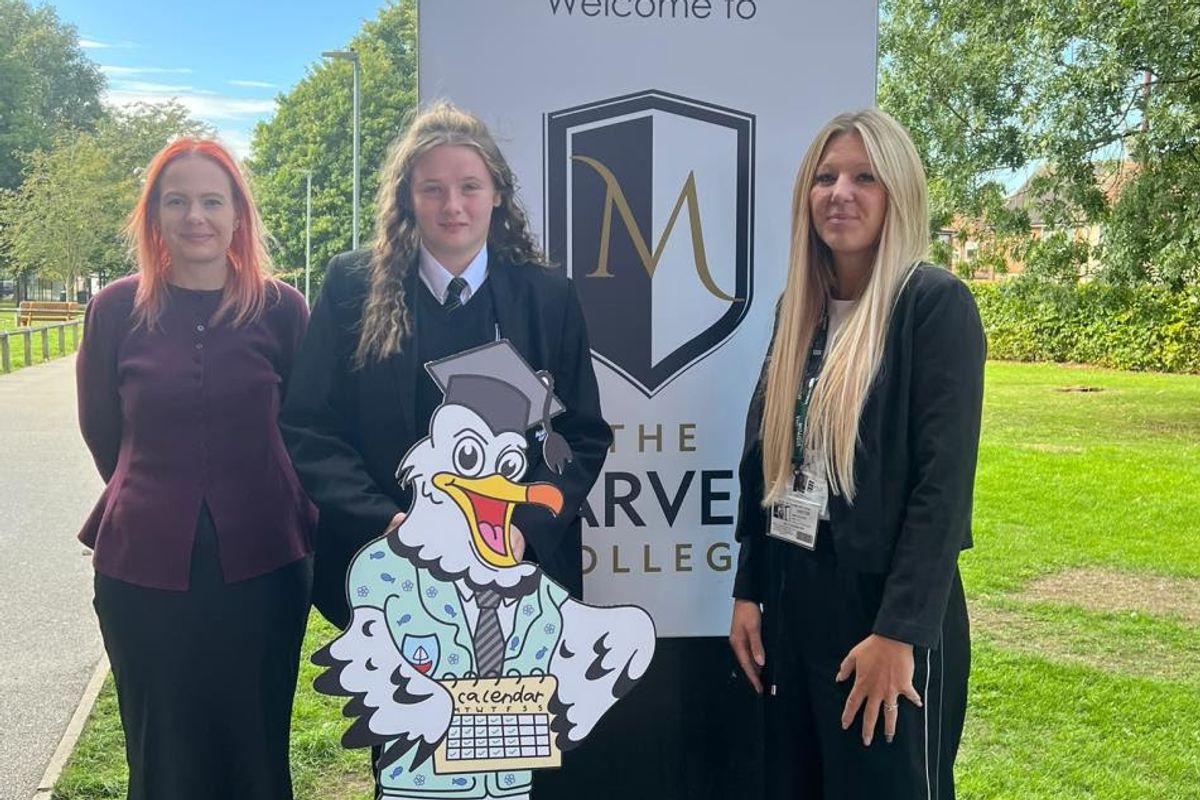
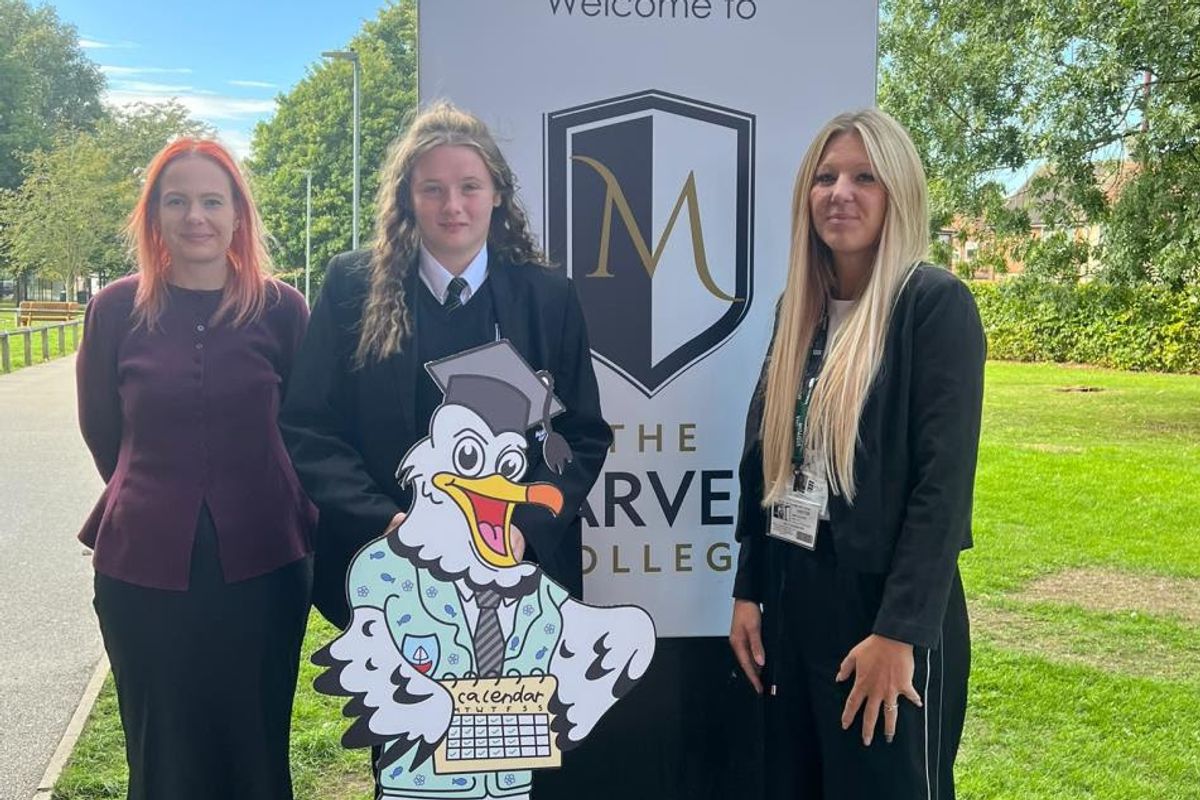
From L-R: Sam Wilson, Design and Technology teacher at The Marvell College, Brooke from The Marvell College and Emma Davidson, Senior Education Welfare Officer at Hull City Council. Credit: Hull City Council(Image: Hull City Council)
Hull remains locked in a battle against one of the worst school attendance records in the UK, with figures revealing that the issue has worsened since Covid-19 lockdowns. In response, the local authority has launched a new campaign to get pupils back into the classroom.
But the issue needs a joined-up approach, according to the city’s Member of Parliament. Emma Hardy, the MP for Hull West and Haltemprice is sure the problem with attendance in Hull’s schools is not just the responsibility of the teachers and the council – parents and young people need to play their part too.
“Improving attendance cannot be the responsibility of schools alone,” she said. “It requires a joined-up approach, with schools, parents, the local authority and young people all working together to identify barriers and provide the right support. Ultimately, every child should have access to an inclusive, supportive environment where they can thrive and attend school regularly.”
A persistent post-lockdown trend
A decade ago, the overall absence rate across Hull sat at six per cent. Fast-forward to 2025/26, and that figure has climbed to nine per cent, underlining a persistent post-lockdown trend where getting pupils into classrooms every morning has become increasingly difficult. Council leaders and education chiefs maintain that shifting from punitive warnings to a culture of belonging is vital to bringing persistent absentees back through Hull’s schoolgates.
With research demonstrating that daily classroom presence directly correlates with long-term educational attainment, mental health, and future life chances, closing Hull’s attendance gap remains an urgent priority for the city’s civic future. In a bid to turn the tide, schools, families, and education partners across Hull have launched an innovative community-led attendance push. At the heart of the campaign is a brand-new mascot named Gully.
The mascot has been designed by local pupil, Brooke from The Marvell College, as part of a city-wide competition. Brooke’s submission was chosen from dozens of entries submitted by children and young people from across Hull, aiming to give the campaign a recognisably friendly face.
“I am really excited that my design was chosen,” said Brooke. “I wanted the mascot to be friendly and encourage children to come to school. It feels amazing knowing that people across Hull will see my design.” The judging panel praised the design for its warmth, energy, and strong reflection of key campaign values: inclusion, perseverance, and belonging.
Creating a culture of belonging in Hull
Council leaders hope that the new Gully mascot will act as the ambassador for the attempt to get more pupils back into school. The campaign has the slogan ‘I Belong to This Crew’ at its heart.
The message will be seen beyond the classroom gates and will pop up in Hull’s family hubs, GP surgeries, leisure centres, and community venues, as well as at public events in East Yorkshire throughout the year. The initiative has been developed through collaboration with headteachers, community groups, and parents to deliver monthly themes targeting specific triggers for absence, such as minor illness, emotional wellbeing, bullying, and the transition between year groups.
Classroom packs featuring posters, certificates, stickers, and digital materials are being rolled out to help schools reinforce positive routines from the ground up. The big idea of ‘belonging’ is so important to the council’s delivery, which will offer friendship and support to young people that are falling through the cracks, said Cllr Linda Tock, portfolio holder for Children’s Services at Hull City Council.
“We are delighted to launch this campaign and introduce Gully to children and families across Hull,” she said. “Attendance is about much more than being in school; it’s about feeling that you belong, building friendships, accessing support and achieving your potential. Brooke’s fantastic design perfectly captures the spirit of our campaign, and we look forward to seeing Gully inspire children across the city.”
Did you know you can make Hull Live a preferred source of Hull news in Google, which will mean you get more of our breaking news, exclusives, and must-read stories straight away? Here’s more information about what this means and how to do it – you can also do it straight away by clicking here.
Coordinated support has to be central
School attendance issues need ‘sustained’ efforts to bring absence rates back to pre-pandemic levels, according to Paul Whiteman, general secretary at school leaders’ union NAHT. “Schools already go above and beyond in encouraging attendance, but they need practical resources and support,” he said.
“Helping children feel that they belong is an important part of improving attendance, but creating that sense of belonging and addressing the root causes of absence, which often lie beyond the classroom, cannot rest on schools alone. They depend upon coordinated support from families, health and social care services, community organisations and wider government policy, and an ability to offer help with everything from illness and mental health challenges to poverty and unmet special educational needs.”
The issue of school attendance is close to the heart of MP Emma Hardy, who used to be a teacher at Willerby Carr Lane Primary School. “School attendance is vital, not just for education but for providing routine, stability and socialising. We know that the more time a child spends out of school, the harder it can be for them to return,” she told Hull Live.
“Hull faces particular challenges, with higher-than-average levels of deprivation and SEND, both of which are linked to lower attendance. That’s why I welcome initiatives such as free breakfast clubs, with ten schools in Hull West and Haltemprice already signed up, helping children start the day ready to learn.” Alongside the attendance challenge facing the education sector, a recent report found that more children and families around the region are stepping out of the regular education system and choosing elective home education instead.
Alongside attendance sliding, home education is on the rise too
The number of Hull children being educated at home instead of in school has risen to more than 1,000 for the first time. This is a different issue to attendance, but demonstrates the complexity facing policymakers who are trying to build a resilient and robust school system that works for everyone.
The issue with attendance at school is by no means unique to Hull and is closely linked to declining mental health and wellbeing issues for children. The Centre for Young Lives’ 2025 State of Childhood Vulnerability report warned that Covid-19 lockdowns are still casting a long shadow over millions of children in England five years on.
The report found that many measures of vulnerability such as poverty, children’s mental health, Special Educational Needs, school attendance, and the number of children going into social care have worsened and continued to hold children back since the pandemic. The special educational needs and disabilities challenge remains crucial for policymakers in both Hull and around the country, with the number of children in the UK being identified as autistic more than doubling between 2017/18 and 2024/25.
Reversing Hull’s decade-long challenge with declining school attendance against a backdrop of tight budgets and rising support needs will not happen overnight. But leaders are hopeful that ambitious community-wide campaigns and targeted support across the city prove there is a shared resolve to get young people back into school.
To find planning applications, traffic diversions, road layout changes, alcohol licence applications and more, visit the Public Notices Portal.