


The aim is to weave recovery directly into community life through public events, Hull role models, and better access to jobs and stable housing
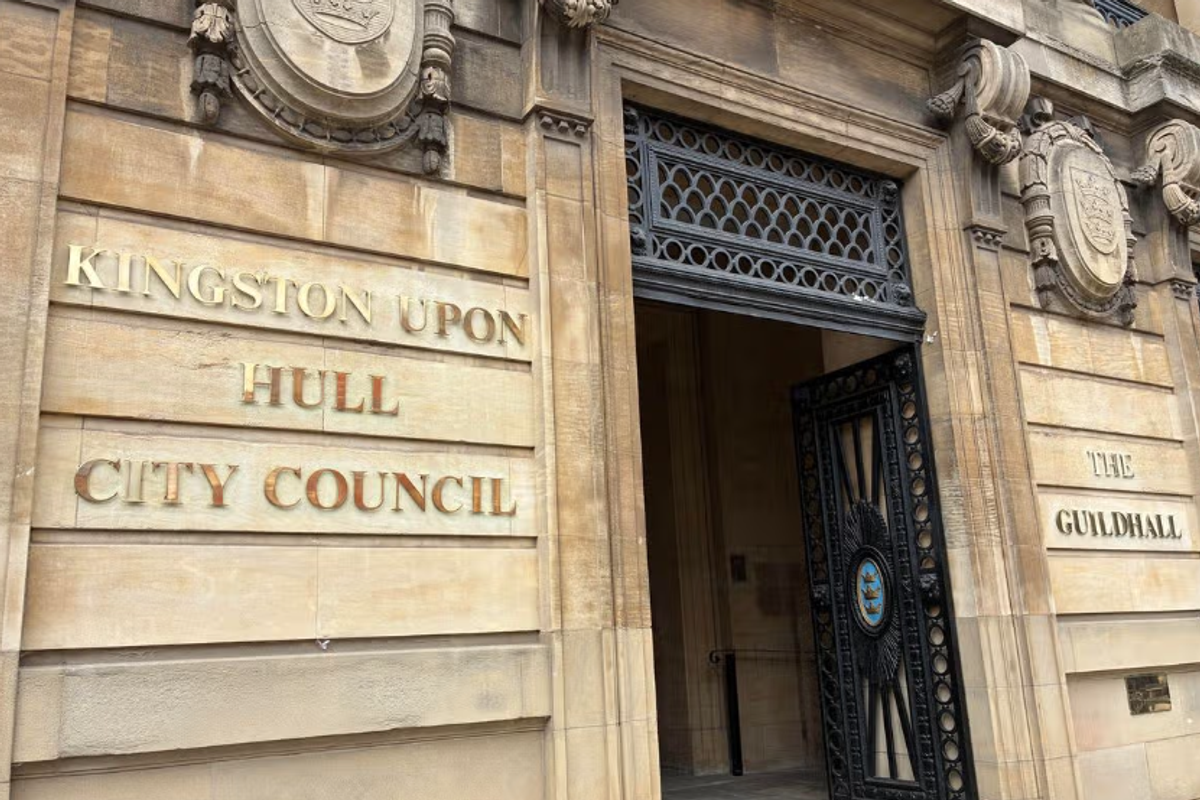
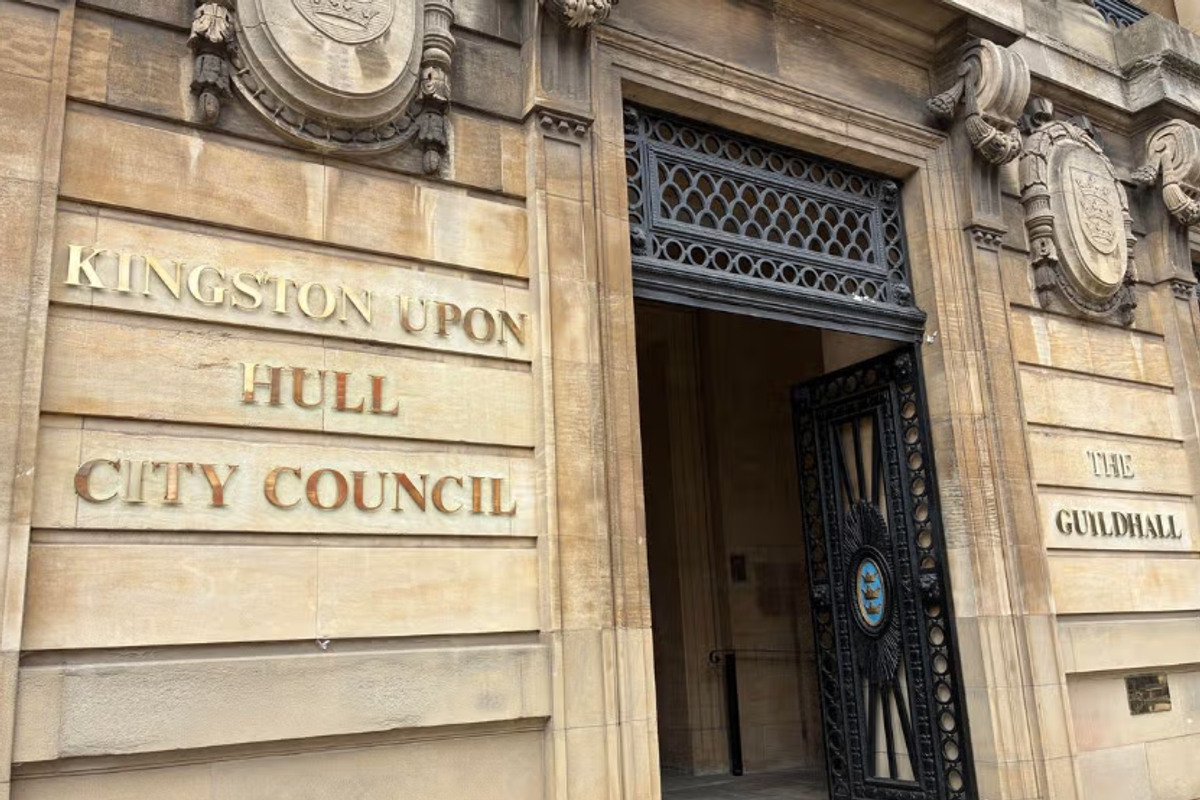
Central to the vision being adopted by Hull City Council is the idea that when people sustain recovery, the whole city grows and flourishes alongside them through a reduction in crime and anti-social behaviour. (Image: Paul Drury-Bradey LDR)
Hull has formally pledged to become an ‘Inclusive Recovery City’, joining a growing international movement designed to bring addiction support into the open and challenge deep-seated stigma. The strategy, formally agreed at a recent Hull Place Health and Care Joint Committee meeting, represents a move away from purely clinical, behind-closed-doors treatments.
Instead, council leaders and frontline organisations want to weave recovery directly into community life through public events, Hull role models, and better access to jobs and stable housing. Central to the approach will be delivery by those with lived experience in the city and improved storytelling around East Yorkshire people who have recovered from addiction.
The move comes as Hull continues to struggle with severe substance dependency. According to the latest public health figures held by the council roughly 22 people for every 1,000 in Hull use opiates, crack cocaine, or both – more than double England’s national average.
This represents nearly 4,000 Hull residents being addicted to hard drugs, although councillors admit it is difficult to comprehensively map the precise number of drug users. The new charter aims to remove the judgment that prevents people from seeking help, according to Cllr Linda Chambers, portfolio holder for Adult Services and Public Health.
She is keen that addiction shouldn’t always be a medical problem ‘behind closed doors’. Instead, the new framework establishes recovery as an open, collective effort woven directly into the fabric of Hull’s communities.
Central to the vision is the idea that when people sustain recovery, the whole city grows and flourishes alongside them through a reduction in crime and anti-social behaviour. “The wider community needs to accept that there are people struggling with addiction out there, and they need help,” said Cllr Chambers (Liberal Democrat – Drypool ward).
“People are often in crisis and drinking or taking drugs secretly. They can be afraid to come forward because they might lose their job. It’s the stigma. We want to change that, and remove the judgment.”
She added: “This new approach isn’t just about helping people with addiction; it will help the wider community by reducing anti-social behaviour and crime too. I believe we are non-judgmental people here in Hull, and we want residents to support this and let people know they have the whole city behind them.”
Celebrating the stories of recovery
Under the charter, the council plans to overhaul how services are delivered. Key priorities could include expanding support led by people with lived experience, increasing flexible telephone appointments, and working more closely with housing services to reduce reliance on day-hostels that force clients onto the streets each morning.
The council also plans to promote positive recovery stories across social media and host public, drug-and-alcohol-free community events and deliver healthy events such as recovery walks. “We need that awareness of how quickly a life can spiral out of control,” Cllr Chambers said. “It’s a vicious circle. If you can’t solve housing problems, drink and drugs can just be there to numb the pain. Life is so hard if you’ve nothing to look forward to. Part of the strategy is giving people hope.”
The charter has been warmly welcomed by frontline addiction workers in the city. They believe it is important that communities in Hull celebrate recovery because for a long time the conversation around addiction has been dominated by stigma and the idea that people are somehow defined by the worst period of their lives.
Matthew Butler, volunteer and community lead for ReNew, Hull’s free and confidential drug and alcohol service, reinforced the idea that recovery must be visible to be sustainable. “For a long time, the conversation around addiction has been dominated by stigma and the idea that people are defined by what is the worst period of their lives,” he said.
“Recovery is about more than stopping using drugs or alcohol. It’s about rebuilding relationships, finding purpose, reconnecting with family, developing confidence, and becoming part of your community again. When that happens, those things deserve to be celebrated.”
Did you know you can make Hull Live a preferred source of Hull news in Google, which will mean you get more of our breaking news, exclusives, and must-read stories straight away? Here’s more information about what this means and how to do it – you can also do it straight away by clicking here.
The power of lived experience in Hull
Mr Butler highlighted the crucial role of volunteers who have walked the path themselves. “At ReNew, I see the value of lived experience through our volunteers and the contribution they make,” he said.
“They create welcoming spaces, contribute ideas, and bring perspectives that professionals might not otherwise have considered. If we’re developing support, we should be listening to the people who understand those experiences firsthand. Lived experience doesn’t replace professional clinical expertise – the two complement each other.”
Frontline teams are also confronting shifting drug trends in East Yorkshire. The ReNew team recently produced a documentary exploring ketamine use in Hull and are seeing many people tuning in to their podcast examining addiction and recovery around the region.
Mr Butler remains hopeful about the new joined-up approach to addiction in Hull. “We can’t ignore the scale of the challenges, and I wouldn’t want to give the impression that things will improve simply because we want them to,” he added.
“But I see reasons to be optimistic. Through my work, I see people making changes in their lives, supporting one another and finding a sense of purpose. I see volunteers using their experiences to help others, people developing new skills, and partnerships bringing different organisations together around shared goals. Those changes don’t always get the attention they should, but they matter enormously.”
The Inclusive Recovery City concept was originally developed by UK addiction specialist Professor David Best and Belgian criminologist Professor Charlotte Colman. It is founded on the principle that ‘people rebuilding their lives represent valuable civic and economic potential’.
Middlesbrough became the UK’s first Inclusive Recovery City in May 2023. Leeds, Sheffield, and Blackpool are among other the northern cities adopting the charter.
To find planning applications, traffic diversions, road layout changes, alcohol licence applications and more, visit the Public Notices Portal .