


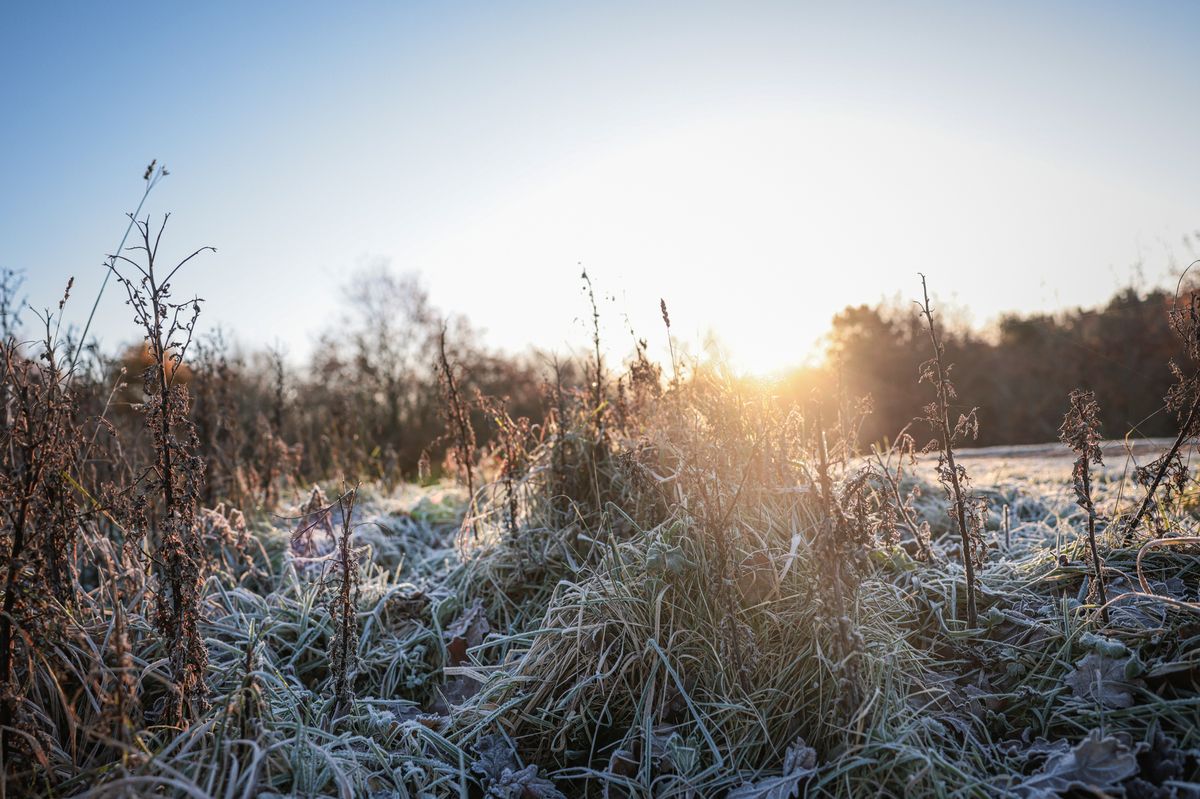
The yellow alert is in place well into the first week of January
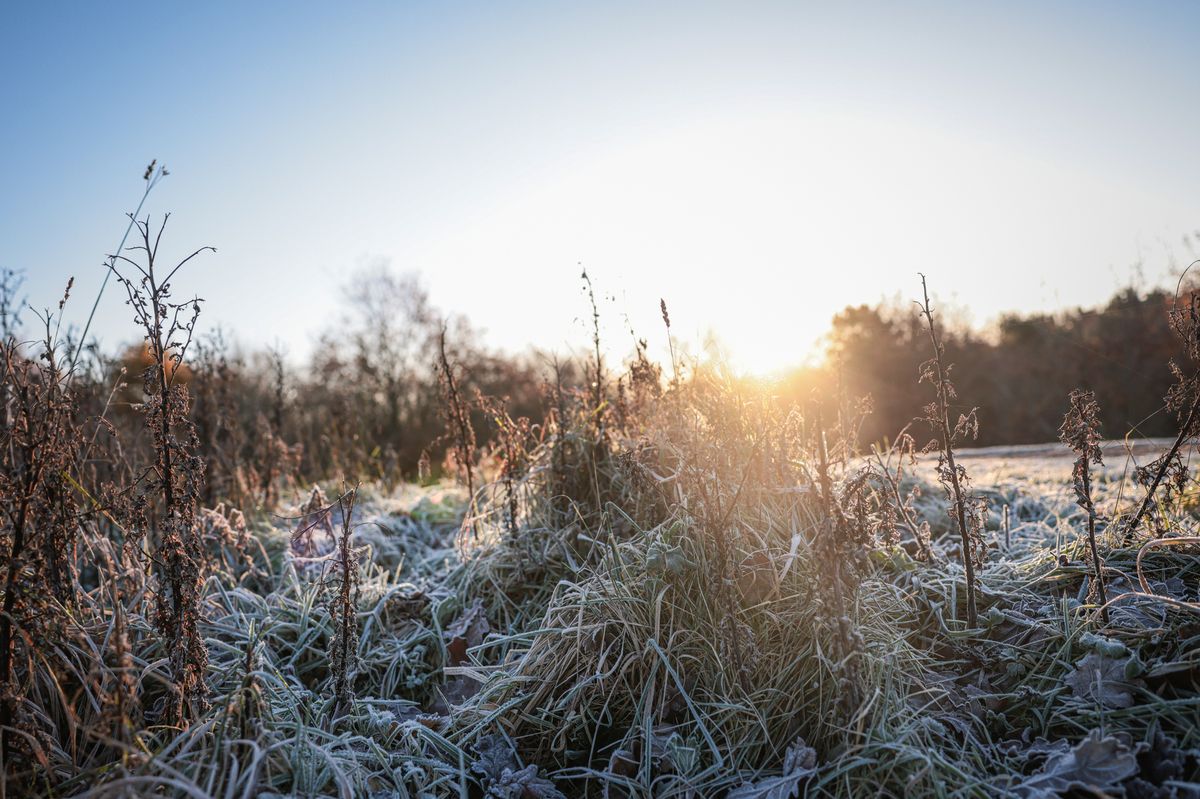
A yellow cold health alert has been issued for the Humber region. The UK Health Security Agency (UKHSA) has put out the warning that currently is set to be in place until noon on Monday, January 5, 2026.
A yellow alert means there is the potential for significant impacts across health and social care. The UKHSA has issued yellow cold health alerts for a number of areas, including Yorkshire and the Humber, where temperatures of 4C to 6C are expected from New Year ’s Day.
In some areas there are more serious amber alerts in place. The risk description for a yellow cold health alert includes:
- A rise in deaths, particularly among those aged 65 and over or with health conditions. There may also be impacts seen on younger age groups
- A likely increase in demand for health services
- Impacts on the workforce affecting delivery of services
- Challenges keeping indoor temperatures at the recommended 18C, leading to more risk to vulnerable people
The Met Office has said things will take a turn as the New Year approaches, with northern parts of the country expected to bear the brunt of chillier conditions from January 1 onwards. Brisk winds are expected to bring increasingly wintry showers to the north as the first week of the new year progresses.
READ MORE: 12 snowy pictures taking you back to the big freeze of late 2010
Dr Agostinho Sousa, head of extreme events and health protection at UKHSA, said: “As the colder weather sets in it is vital to check in on friends, family and neighbours that are most vulnerable. The forecasted temperatures can have a serious impact on the health of some people, leading to increased risk of heart attacks, strokes and chest infections, particularly for individuals over the age of 65 and those with pre-existing health conditions.”
Caroline Abrahams, charity director at Age UK, urged older people to take care during the colder weather. She said: “After a mild start to winter it seems that really cold weather is about to bite, with snow forecast for some parts of the country and bitter temperatures expected everywhere.
“These conditions are potentially hazardous for older people, especially if they are living with serious health conditions like cancer, are already unwell for some other reason or are generally frail.” The Alzheimer’s Society said colder temperatures can be difficult for people with dementia to adjust to and they may not recognise they are cold or be able to communicate it.
The charity has urged people to check in on loved ones, friends and neighbours living with dementia to ensure they are dressed appropriately, in a warm room and eating, drinking and moving regularly. Making the most of natural daylight, sticking to a routine and encouraging smaller, slower steps in slippery conditions can also help to keep them safe, the charity said.
The colder conditions and wintry hazards will develop more widely in the early days of 2026, with more warnings for snow and ice likely, the Met Office said. Mark Sidaway, Met Office deputy chief forecaster, said: “It certainly looks like we are in for a taste of ‘winter’ as we welcome in the new year, initially in the north, but more widely across the UK for the first week of 2026.
“Arctic air and strong northerly winds will bring cold or very cold conditions to all parts of the UK, and it will feel especially cold in the strong winds. Widespread and locally severe frosts are expected, along with the first snow of the winter for many.
“A yellow warning for snow and ice has been issued for northern Scotland on New Year’s Day and beyond, where frequent and heavy snow showers may lead to some travel disruption. These colder conditions and wintry hazards – snow, ice and strong winds – will develop more widely as we enter the new year, with more warnings for snow and ice likely.
“It looks like this cold spell will last through at least the first week of January, so it’s important people keep up to date with the latest forecast and warnings.”