


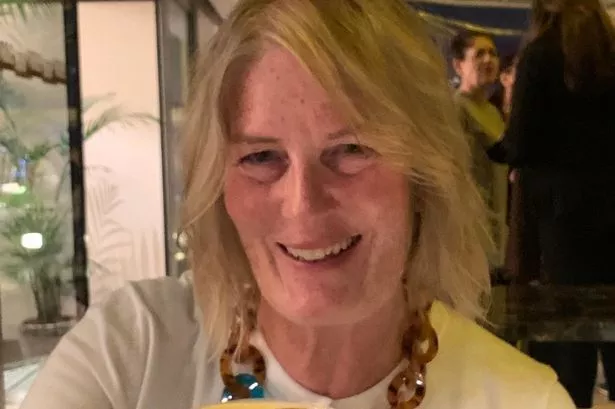
Suzanne Ford picked up her own symptoms early enough to get life-saving treatment for pancreatic cancer
3 lifestyle choices that can increase risk of pancreatic cancer
Suzanne Ford, 67, feels “incredibly lucky” to have been diagnosed with pancreatic cancer at one of the earliest possible stages. Sharing her story on Pancreatic Cancer Awareness Day, Suzanne recognises how rare her case is as the condition has a 5% long-term survival rate and only one in 10 patients can have the potentially life-saving surgery she received.
The York local was on holiday in Nice, France, in September 2023 when she began feeling slightly unwell. She’d felt generally well while “eating, drinking, making merry” with her friends but started to feel queasy on the final days of their getaway.
She initially thought it was just “over-indulgence” putting her body on edge, but when she returned home her symptoms worsened and she spotted a change in the colour of her poo followed by a full-body itch that prompted her to get checked.
She told PA Real Life: “I am an ex-nurse, so that kind of alerted me that something might not be quite right, but I hadn’t a clue what was going on.”
Her GP did some blood tests and allowed her to return to her nursing job, but just six days after her symptoms started she was booked in for a CT scan which confirmed she had pancreatic cancer. Suzanne was “devastated”.
Pancreatic cancer often doesn’t show symptoms in the earliest of stages. Once these develop it can include jaundice, itchy skin, darker urine and poo than usual, loss of appetite, tiredness, diarrhoea or constipation, stomach pain and nausea.
This type of cancer is the fifth biggest cancer killer in the UK and has the lowest survival rate of all common cancers. As a nurse, Suzanne was well aware of her odds.
She said: “I knew the futility of people who’ve been diagnosed late with pancreatic cancer in accessing treatment that could be life-saving. So I knew that there could be a really poor outcome for myself.”
Because she was diagnosed so early, Suzanne was given the go ahead for a potentially life-saving surgery which only one in 10 pancreatic patients will receive.
In November 2023, she went for a pancreaticoduodenectomy which removes part of the ancreas, the first part of the small bowel, the gallbladder and part of the bile duct before joining the tail of the pancreas to the small bowel. Or as Suzanne put it “replumb your insides”.
Her pathology results showed her cancer was stage three, not stage two like she was initially diagnosed. But there had been no local spread and the surgery was a success, followed by months of chemotherapy that put Suzanne into the 5% of survivors.
Suzanne made a “very very good recovery” which she credits to being a fit and healthy person before her diagnosis. As well as the great care she received and a dose of “incredible luck” that she didn’t develop complications.
She added: “In my circumstance, the fact that my gallbladder was blocked and I was scanned so early on, although I had relatively mild symptoms, it saved my life. If it had been left, it would have become inoperable, and I would have been another one of the statistics.”
Suzanne’s experience with the cancer has made her passionate about supporting the work of Professor George Hanna and his team at Imperial College who, with a £1.1 million investment from Pancreatic Cancer UK, are developing a world-first breath test for the disease that could be used in GP surgeries.
The team are now able to conduct a large UK-wide clinical trial with the test. If successful there, it could greatly improve the prognosis of people diagnosed with pancreatic cancer.
Suzanne said: “I think this is going to be a fantastic tool for GPs, because all these people that go with these vague symptoms again and again…The difference that will make is it means that the percentage of people that are picked up early will rise, and those who (are diagnosed) will have a much better survival rate because they can get to treatment much earlier, hopefully.”
Anna Jewell, director of support, research & influencing at Pancreatic Cancer UK, said: “Suzanne’s story is proof that it is possible to live well after pancreatic cancer and enjoy all the wonderful things life has to offer, like precious time with her grandchildren.
“Tragically, too few people are currently diagnosed early enough for life-saving treatment because detecting the disease in its earliest stages is a huge challenge for doctors.
“Thousands of people with unknown symptoms are now helping to validate the breath test, and it will be several years before we know the outcome. But if the scientists are successful, and the test is then adopted by the NHS, the impact on early detection could be revolutionary. It could pave the way to thousands more people a year surviving the deadliest common cancer.”